A three-SKU hair care product line can give a new brand enough variety to build a routine without spreading cash, reviews, advertising, and inventory across too many products. The strongest three-product range usually combines one acquisition product, one high-value treatment, and one finishing or repeat-use product.

Why three SKUs can be commercially practical
Three products can support bundles, upsells, routine education, and customer segmentation while keeping packaging, photography, forecasting, and reorders manageable. A larger range may look impressive but can trap cash in slow-moving variants.
Before selecting products, complete the private label launch checklist and estimate the complete launch cost.
Model A: shampoo + mask + oil
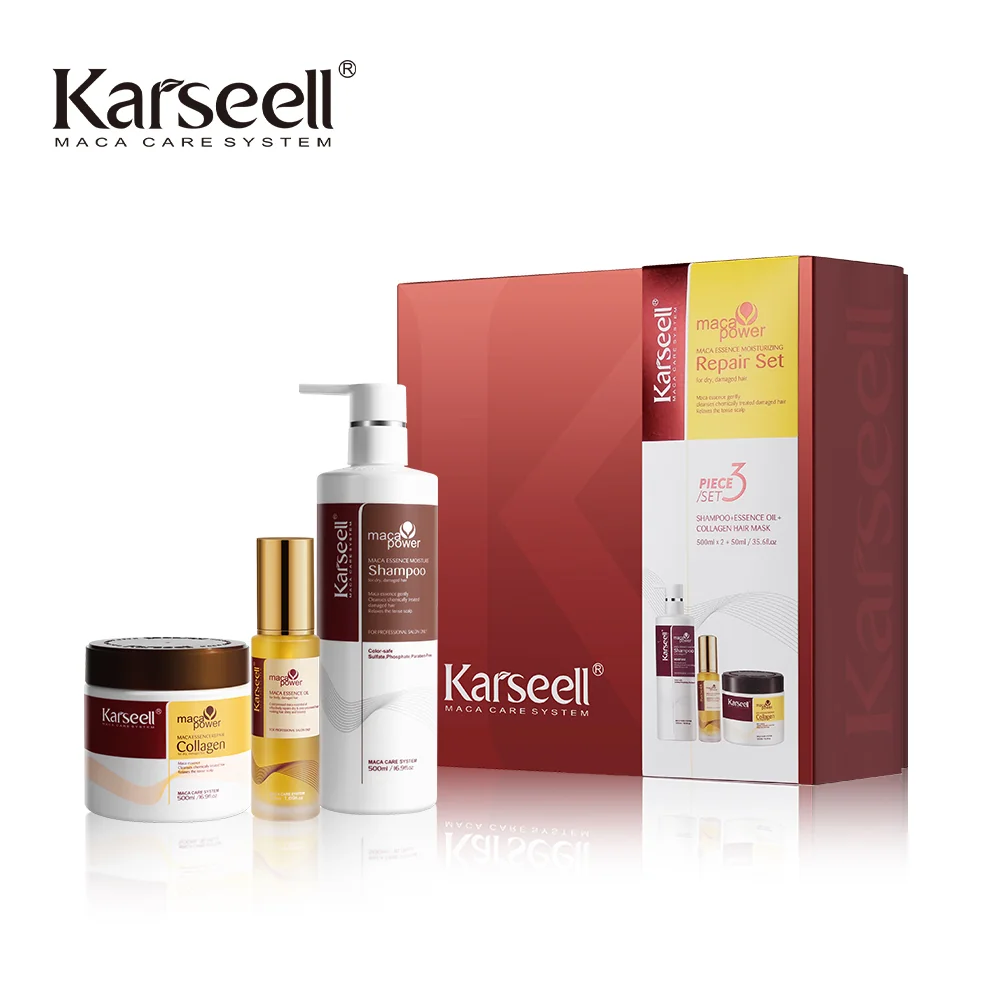
This model creates a clear routine: cleanse, treat, and finish. Shampoo drives regular use, a mask communicates visible care and higher perceived value, and oil supports finishing, travel, bundling, and repeat purchase.
Product references include the Karseell Deep Cleansing Shampoo, Karseell 6-in-1 Hair Mask, and Karseell BNC Hair Oil.


Model B: shampoo + conditioner + hero treatment
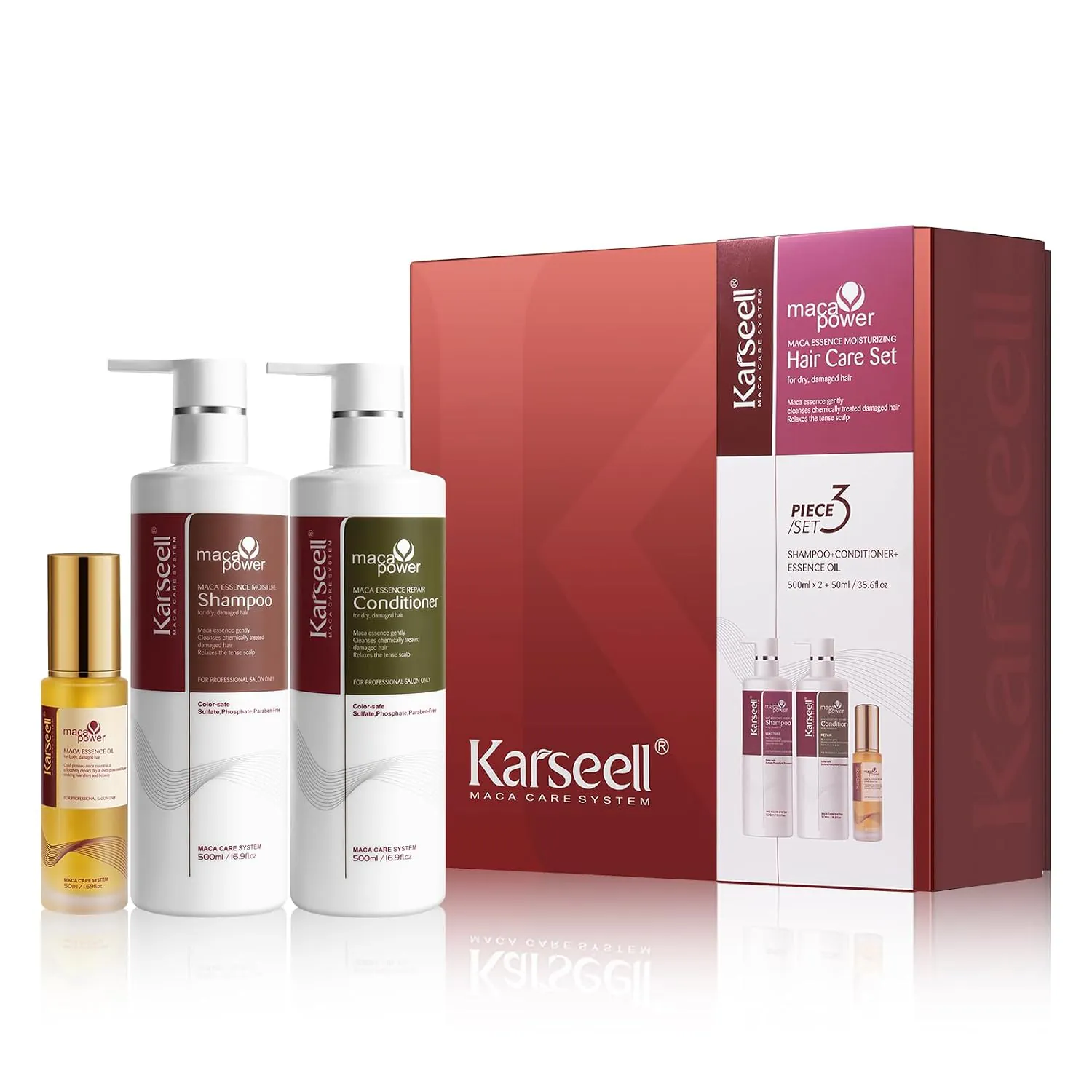
This model fits customers who expect a traditional wash-day routine. Shampoo and conditioner provide familiar repeat-use products; the mask, leave-in, or serum becomes the differentiated hero.
Review the Karseell Shampoo & Conditioner Set as a coordinated base.

Choose roles, not just products
| Role | Purpose | Possible format |
|---|---|---|
| Acquisition SKU | Easy to understand and search | Shampoo or mask |
| Hero SKU | Defines the brand promise | Mask, treatment, serum |
| Basket builder | Creates routine and bundle value | Conditioner, oil, leave-in |
Calculate SKU-level economics
Model factory cost, packaging, freight, duty, fulfillment, channel fees, discounts, returns, and customer acquisition for each SKU and bundle. A product with a strong gross margin may still consume cash if its MOQ is high or sales are slow.
Ask how formula and packaging minimums interact using the MOQ guide. Shared bottle families, cartons, fragrance, and design systems may reduce complexity, but every component minimum must be confirmed.
Build bundles before production
Plan single-SKU offers, a two-product entry bundle, a complete routine, salon or retail cases, and promotional samples. Confirm carton dimensions, fulfillment rules, pack photography, and bundle margin. This affects packaging quantities and content production.
Keep the product story focused
All three products should serve the same customer and primary problem. Avoid combining unrelated claims because the factory can make them. Use one benefit hierarchy, consistent directions, and clear distinctions between products.
Plan the second order before the first
Forecast each SKU separately. The shampoo may sell faster than the mask; the oil may have a longer usage cycle. Use reorder points based on sales velocity, production time, freight, and safety stock. Ask the manufacturer whether mixed reorders and shared packaging are possible.
Development sequence
- Define customer and routine
- Select the hero SKU
- Add two complementary roles
- Write one brief per SKU
- Confirm shared packaging and claims
- Model single and bundle margins
- Sample and test the complete routine
- Approve content, production, and reorder plan
Use the product brief guide and sample process.
Frequently asked questions
Must every new brand launch three products?
No. One strong hero SKU may be better when budget, demand evidence, or operational capacity is limited.
Should all products use the same fragrance?
Not necessarily, but a coherent fragrance strategy can strengthen range recognition.
How do I request a three-SKU proposal?
Send the customer, channel, formats, quantities, and target costs through the Chinchy Group contact page.