A successful private label hair care launch checklist should control six things before production begins: the target customer, hero SKU, formula route, packaging system, compliance documents, and reorder plan. Brand owners who confirm these items early usually reduce sample revisions, packaging delays, and avoidable cost changes.
This guide turns the launch process into a practical sequence for distributors, salon groups, e-commerce sellers, and first-time hair care founders. It is designed to be used before requesting a quotation from a manufacturer.
Quick answer: what should be ready before you contact a manufacturer?
- A clearly defined customer and sales channel
- One hero product or a focused two-to-three-SKU range
- A target retail price and landed-cost range
- A formula direction, including claims you want to support
- Preferred pack size, packaging format, and label language
- An estimated first order and twelve-month reorder forecast
- Target market documents and testing requirements
- A realistic launch date with time for sampling and artwork approval
If you are still deciding between manufacturing models, review OEM vs ODM vs OBM for hair care brands. The right model determines how much formula, packaging, and brand development work is required.
Step 1: define the customer before choosing the product
“Hair care customers” is too broad. A useful brief identifies hair condition, routine, price position, buying channel, climate, and desired result. For example, an online brand serving dry and chemically treated hair needs a different launch message from a salon distributor selling professional back-bar sizes.
Write one sentence that answers: who is the product for, what routine problem does it solve, where will it be sold, and why should the customer choose it? This sentence becomes the filter for formula, fragrance, packaging, content, and price decisions.

Step 2: select a focused hero SKU
For a first order, focus usually creates a stronger launch than a wide catalog. Shampoo, conditioner, hair mask, and hair oil are familiar formats with clear routines and bundle potential. A single hero SKU can also concentrate reviews, advertising, inventory, and creator content.
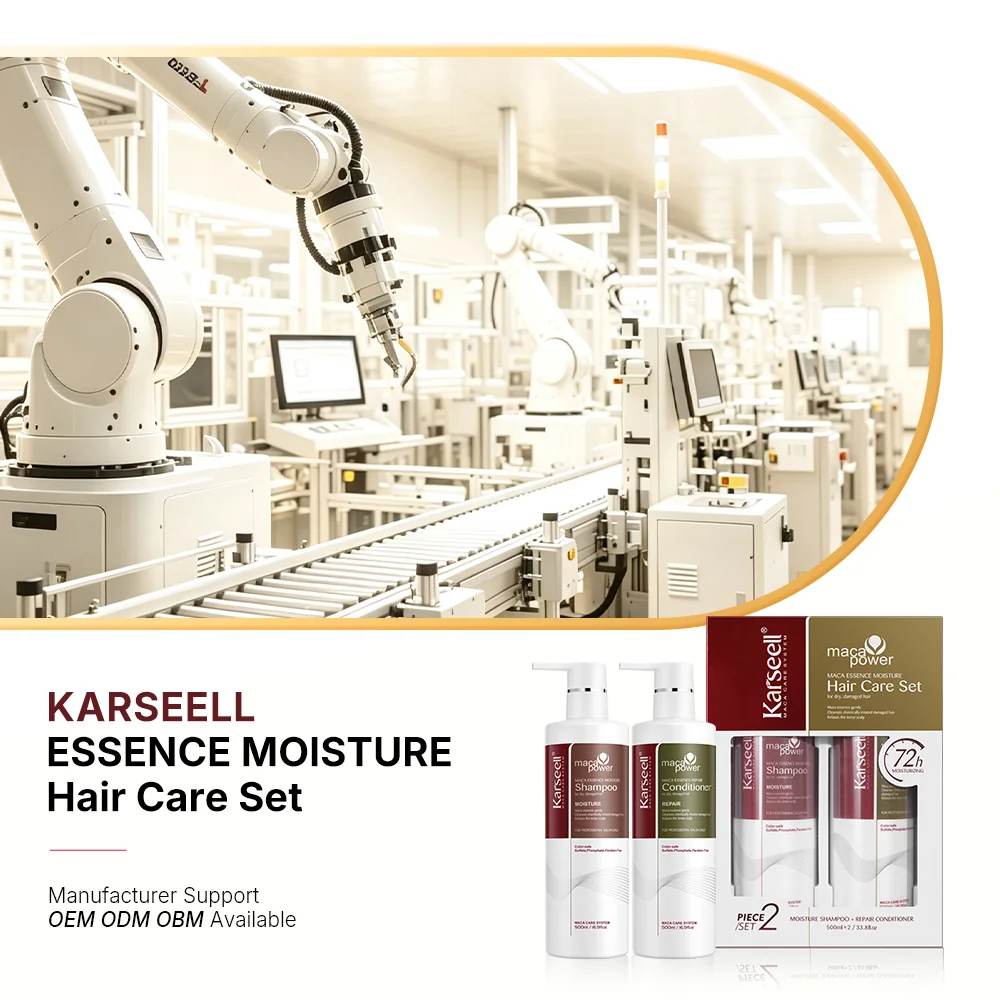
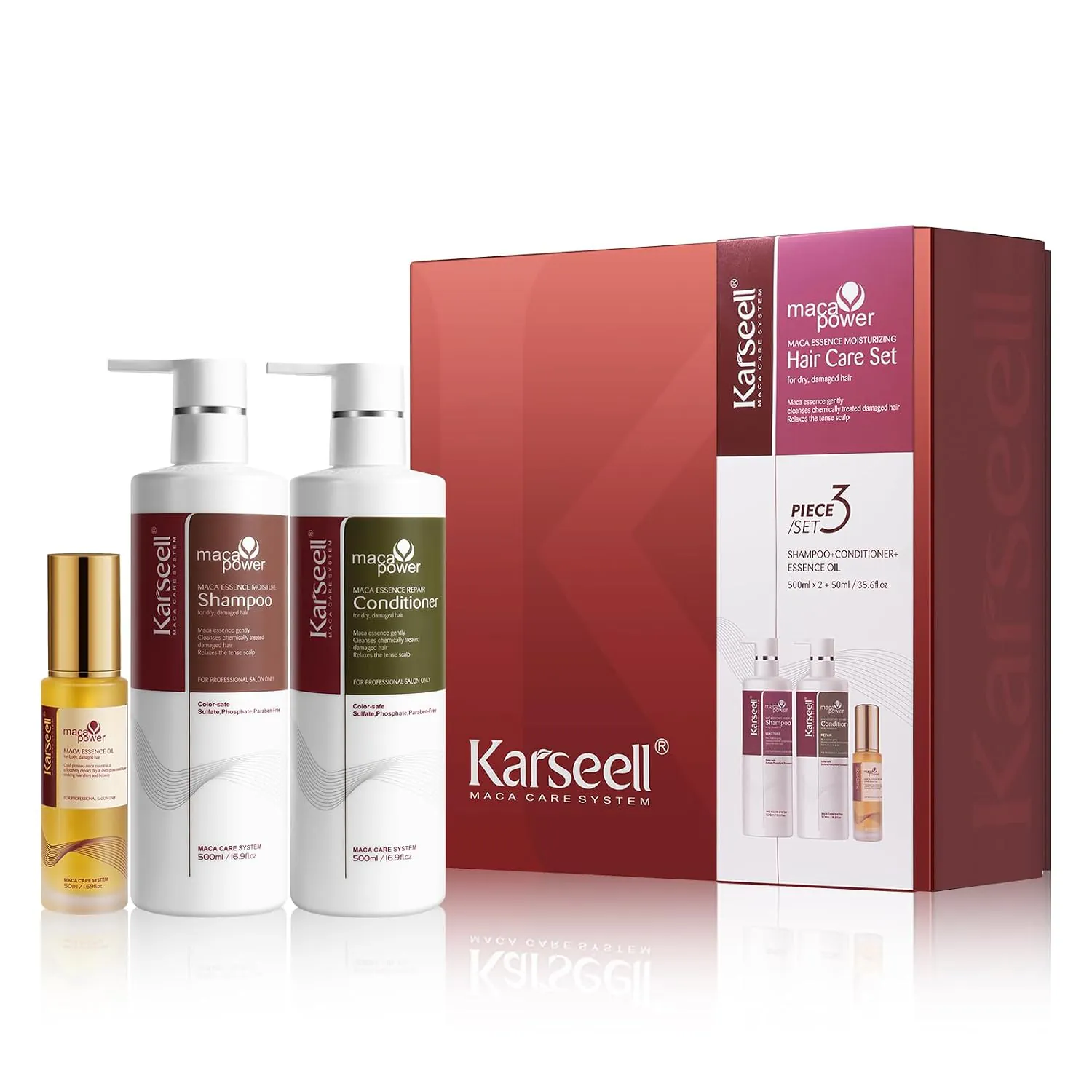
Useful starting options include the Karseell 6-in-1 Hair Mask, a coordinated Karseell Shampoo & Conditioner Set, or a complete shampoo, mask, and hair oil set. These examples show how a product can be positioned as a single treatment, a two-step routine, or a complete regimen.

Step 3: set the commercial target before formula development
Give the manufacturer a target retail price, wholesale price, and desired landed-cost range. Without those numbers, a technically attractive formula may be commercially unsuitable. Cost is influenced by raw materials, fill weight, bottle or jar choice, pump and cap, decoration, carton, testing, quantity, and shipping method.
Do not compare quotations by unit price alone. Compare the same specification, quantity, pack components, testing scope, Incoterm, and payment schedule. If order size is uncertain, read Chinchy Cosmetics MOQ information and the guide to negotiating MOQ with a hair care factory.
Step 4: choose the formula route
There are three practical routes:
| Route | Best for | Main advantage | Main consideration |
|---|---|---|---|
| Existing proven base | Fast launches and lower initial complexity | Shorter sampling path | Limited differentiation unless fragrance, packaging, or positioning changes |
| Modified base | Brands needing selected adjustments | Balance of speed and differentiation | Changes still require compatibility and stability review |
| Custom development | Distinctive concepts and long-term ranges | Greater control over sensory profile and positioning | More development time, testing, and revision cycles |
Your brief should specify hair type, desired texture, fragrance family, color, viscosity, rinse feel, finish, excluded ingredients, target claims, and benchmark products. Claims must match the final formula, testing, label, and destination-market rules.
Step 5: lock packaging and artwork requirements
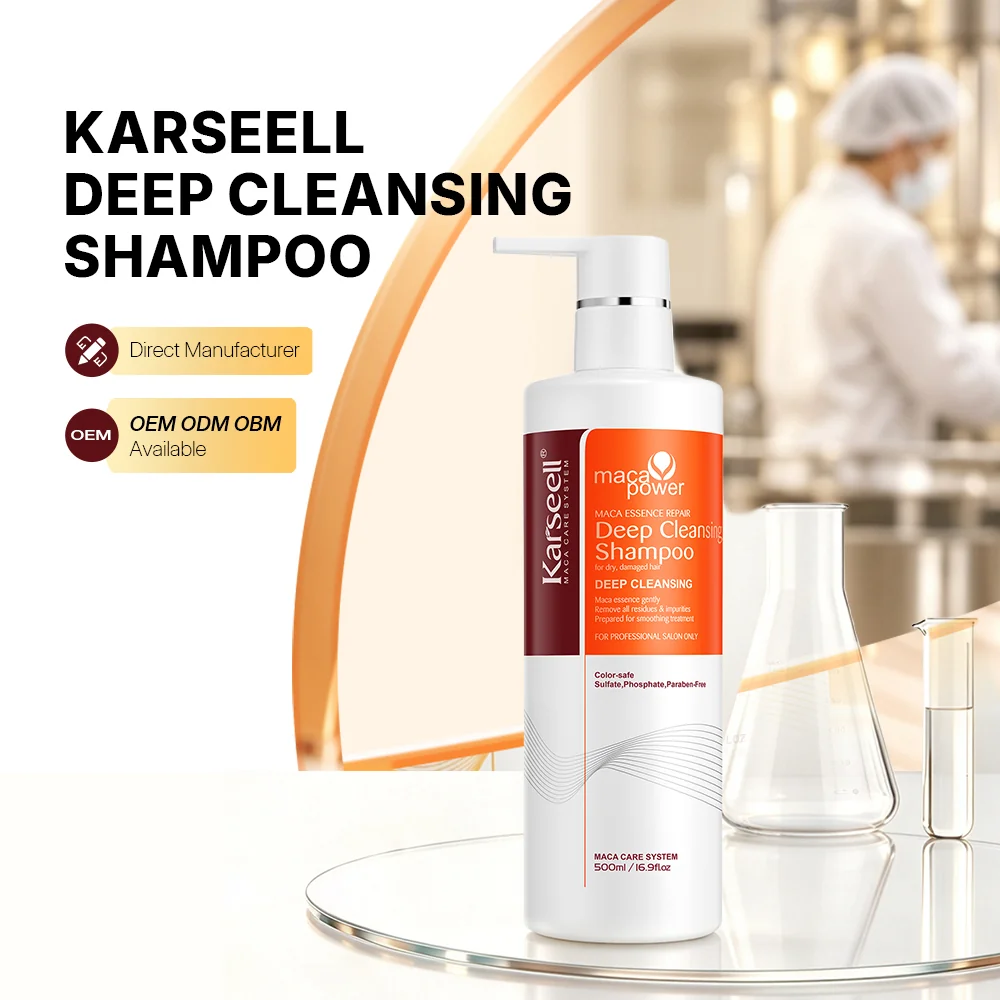
Packaging is not a final decoration step. It affects formula compatibility, filling equipment, leakage risk, shipping weight, minimum order, lead time, and customer experience. Confirm the container material, capacity, closure, dispensing method, color, printing method, label stock, carton, master case, barcode, and required languages.
For bottle planning, use the guide to custom bottle sizes for shampoo private label. Ask for a physical packaging sample when color, finish, pump performance, or label adhesion is commercially important.
Step 6: build the compliance file
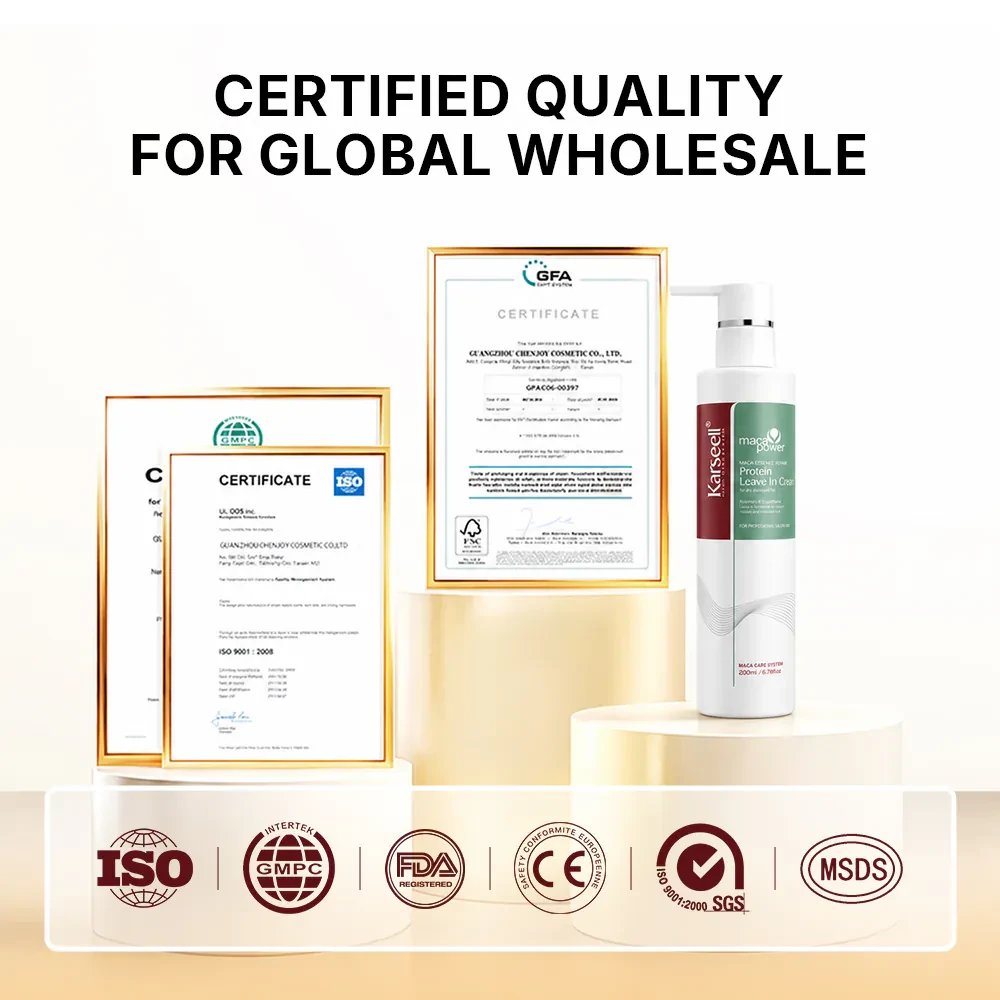
The document list depends on the destination market and product claims. Buyers commonly request ingredient documentation, safety information, batch documents, test reports, manufacturing certificates, label review, and shipping documents. Do not use “FDA approved,” “clinically proven,” “organic,” “anti-hair-loss,” or similar statements unless the exact product and market support the wording.
Before approving a supplier, review how to check hair care factory certifications and the cosmetic factory quality-control process.
Step 7: approve samples with a repeatable scorecard
Evaluate every sample against the same criteria: appearance, fragrance, texture, dispensing, application, rinse behavior, wet combing, dry feel, shine, residue, packaging compatibility, and target-user feedback. Record the sample code and revision date. Avoid comments such as “make it more premium”; describe the measurable or sensory change you need.
Chinchy Group’s private label sample process explains how samples move from request to revision and approval.
Step 8: confirm the production and launch calendar
Build the schedule backward from the required selling date. Include formula confirmation, packaging sample, artwork, compliance review, deposit, raw-material and packaging procurement, mass production, quality inspection, balance payment, freight, customs, warehouse receiving, photography, listing creation, and launch content.
Add contingency time for artwork corrections, holiday closures, packaging shortages, customs questions, and sample revisions. A launch date is reliable only after the factory confirms the final specification and production slot.

Step 9: prepare content and reorder data before launch
Collect product images, application instructions, ingredient explanations, warnings, pack dimensions, video footage, FAQ answers, and approved claims before inventory arrives. Decide which metrics will trigger a reorder: weekly sales, stock cover, advertising plan, production lead time, and freight time.
A strong first launch is not complete when goods ship. It is complete when the brand can explain the product accurately, sell it consistently, collect feedback, and reorder without repeating the entire development process.
Final private label hair care launch checklist
- Target customer, market, and channel defined
- Hero SKU and product range approved
- Target cost, retail price, and order quantity confirmed
- Formula route and benchmark documented
- Packaging specification and artwork approved
- Compliance documents and claims reviewed
- Golden sample signed off
- Production, inspection, payment, and shipping plan confirmed
- Product content and launch assets prepared
- Reorder trigger and inventory owner assigned
Frequently asked questions
How many products should a new hair care brand launch?
One hero SKU or a focused two-to-three-product routine is often easier to finance, explain, and reorder than a large range. The right number depends on channel, budget, order minimums, and customer acquisition strategy.
When should packaging be selected?
Packaging should be discussed during formula development, not after it. Formula viscosity, fill temperature, ingredients, closure type, and shipping conditions can affect compatibility.
What information is needed for an accurate quotation?
Provide product type, formula direction, capacity, packaging, quantity, destination country, target claims, testing requirements, and desired delivery timing. Missing specifications make quotations difficult to compare.
What is the next step?
Prepare a one-page product brief and send it through the Chinchy Group contact page. Include your target market, product format, pack size, quantity, formula direction, and launch date so the manufacturing team can recommend an appropriate route.