The cost to launch a private label hair care brand is not a single factory unit price. A realistic budget includes formula and samples, packaging, artwork, testing, production, inspection, freight, duty, warehousing, photography, marketplace fees, marketing, and reorder cash. The right estimate begins with a specific SKU, quantity, market, and delivery point.
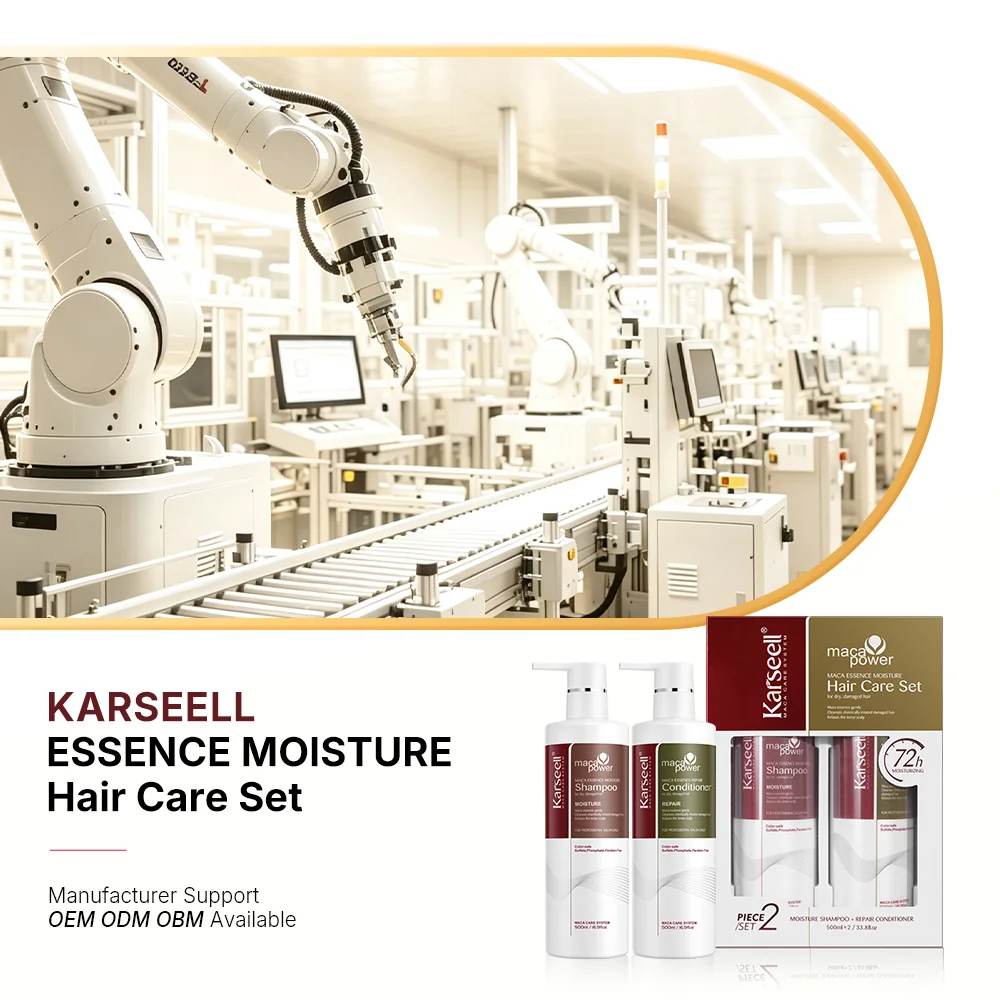
Start with the launch model
A ready-made formula in standard packaging generally has fewer development variables than a custom formula, custom bottle, and multi-SKU range. Compare the routes in ready-made versus custom hair care formulas and define the project with a hair care product brief.
1. Formula and sample costs
Budget for sample preparation, courier shipping, revisions, benchmark purchases, fragrance decisions, and evaluation. Custom development may require several controlled rounds. Confirm whether development fees are credited against production and which tests are included.

2. Packaging costs
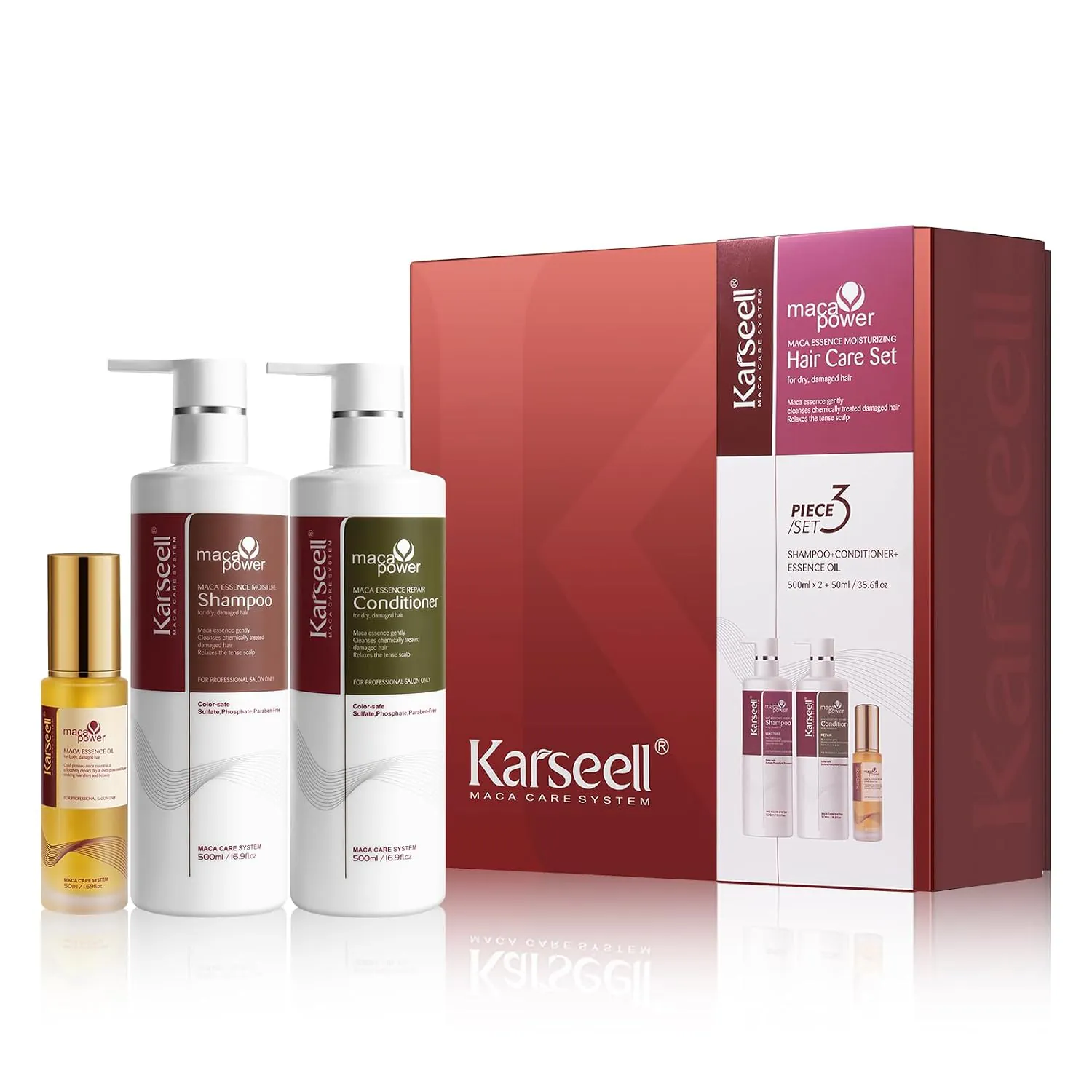
Packaging may include bottle or jar, cap, pump, liner, label, printing, decoration, carton, insert, barcode, master case, and protective materials. Custom molds, colors, finishes, and low-volume decoration increase setup and minimums. Use the packaging design guide and bottle-size guide.
3. Testing and compliance
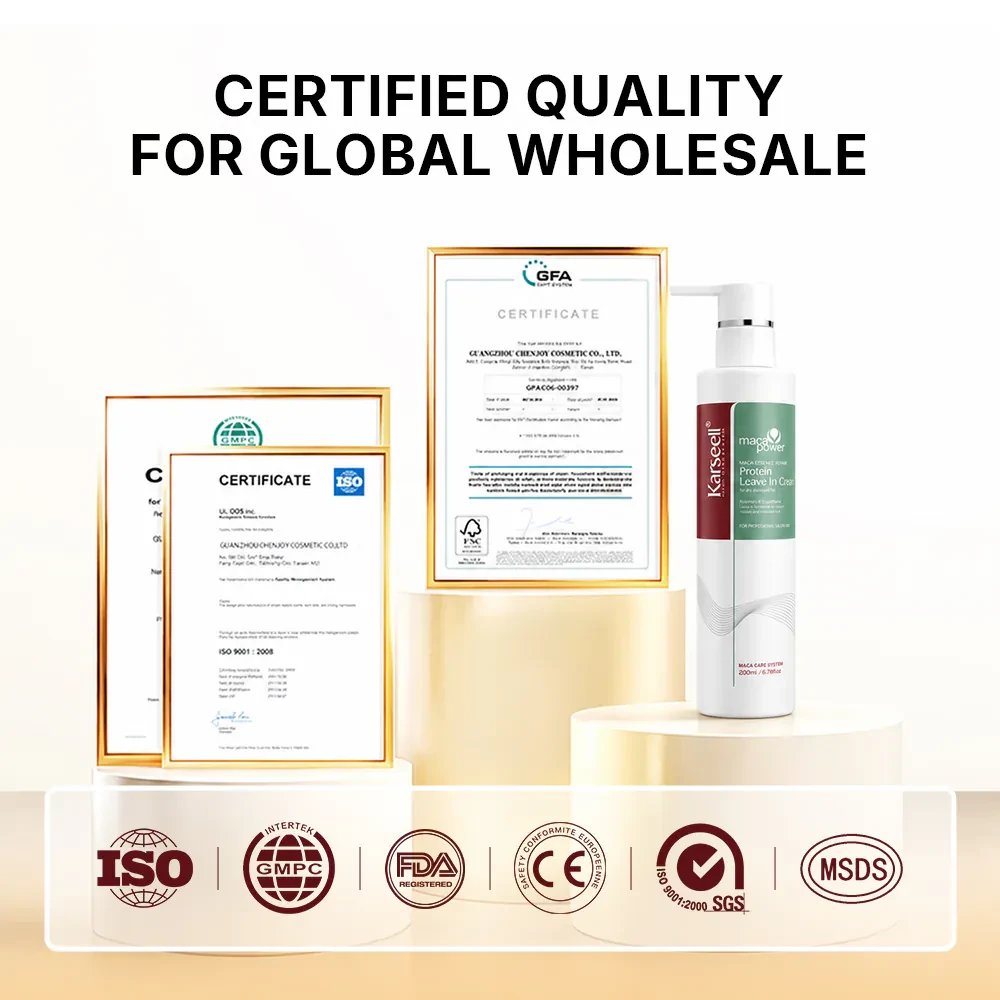
Allow for microbiology, stability, compatibility, safety or market-specific assessments, label review, translations, registrations, and documentation. The exact requirements depend on destination and claims. Review factory certifications and documents.
4. Production and MOQ
The production budget is quantity multiplied by the complete unit specification, plus setup, components, tests, and possible overrun. Ask which minimum belongs to formula, packaging, decoration, or carton. Read MOQ information and low-MOQ manufacturing for startups.
5. Inspection, freight, and landed cost
Add pre-shipment inspection, export documents, inland transport, freight, insurance, duty, customs, broker fees, port charges, delivery, and warehouse receiving. Compare FOB, CIF, and DDP quotes at the same destination. Keep a contingency for freight changes and customs questions.

6. Sales assets and channel fees
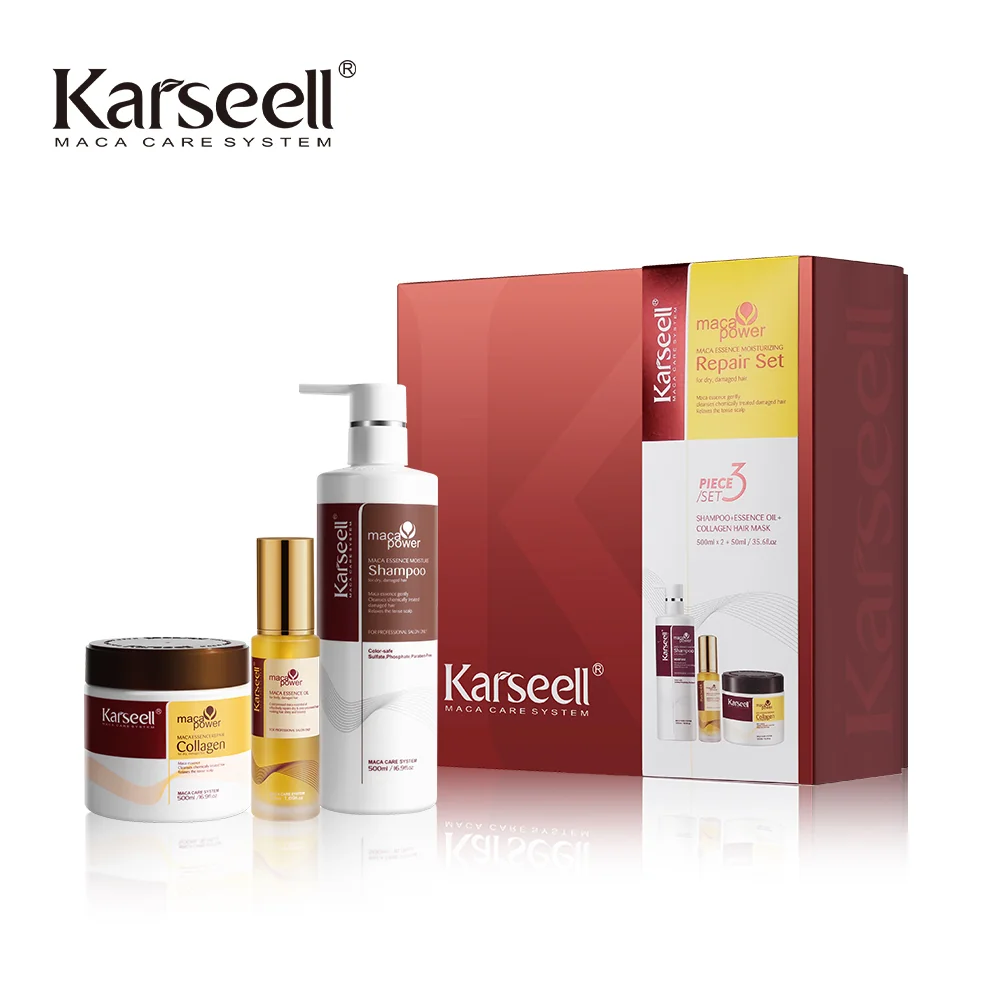
Budget for photography, video, design, copy, samples for creators or retailers, website listings, marketplace fees, barcodes, retailer onboarding, advertising, promotions, returns, and customer service. A technically excellent product still needs a credible go-to-market budget.
7. Reorder working capital
Do not spend the full budget on the first inventory. Reserve cash for reorders, advertising, freight, and unexpected demand. Reorder lead time begins before stock reaches zero. Build stock-cover triggers using weekly sales and total replenishment time.
Example budget structure
| Budget area | Typical variables |
|---|---|
| Development | Samples, revisions, courier, benchmarks |
| Packaging | Components, decoration, cartons, tooling |
| Compliance | Tests, documents, review, registration |
| Inventory | Formula, fill, pack, quantity, overrun |
| Landed logistics | Inspection, freight, duty, delivery |
| Go-to-market | Content, fees, samples, promotion |
| Reserve | Reorder and contingency cash |

How to request a comparable quote
Provide formula route, pack capacity, components, quantity, market, tests, Incoterm, and delivery location. Ask the factory to identify excluded costs and price breaks. Follow the private label launch checklist.
Frequently asked questions
Can a brand launch with a small budget?
Yes, when it limits SKUs and customization, uses a realistic MOQ, and reserves funds for sales and reorders.
What is the biggest hidden cost?
Packaging minimums, freight, marketplace fees, and slow inventory are frequently underestimated.
How do I get a project estimate?
Send the specification through the Chinchy Group contact page.