Hair mask packaging options include jars, tubes, sachets, pouches, and professional salon tubs. The right format depends on viscosity, dose, channel, customer use, shipping risk, decoration, MOQ, and price position. Packaging should be selected with the final formula because a visually attractive container can still fail during filling, storage, or use.

Jar packaging
Jars are familiar for rich masks and allow customers to scoop dense formulas. Check liner, seal, opening diameter, wet-hand use, contamination risk, label area, and carton protection. Review hair mask jar packaging options.

Tube packaging
Tubes support controlled dispensing, shower use, travel, and reduced product exposure. Confirm formula flow, cap design, squeeze force, crimp or seal, decoration durability, and residual product. A tube can distinguish a treatment from a traditional jar.
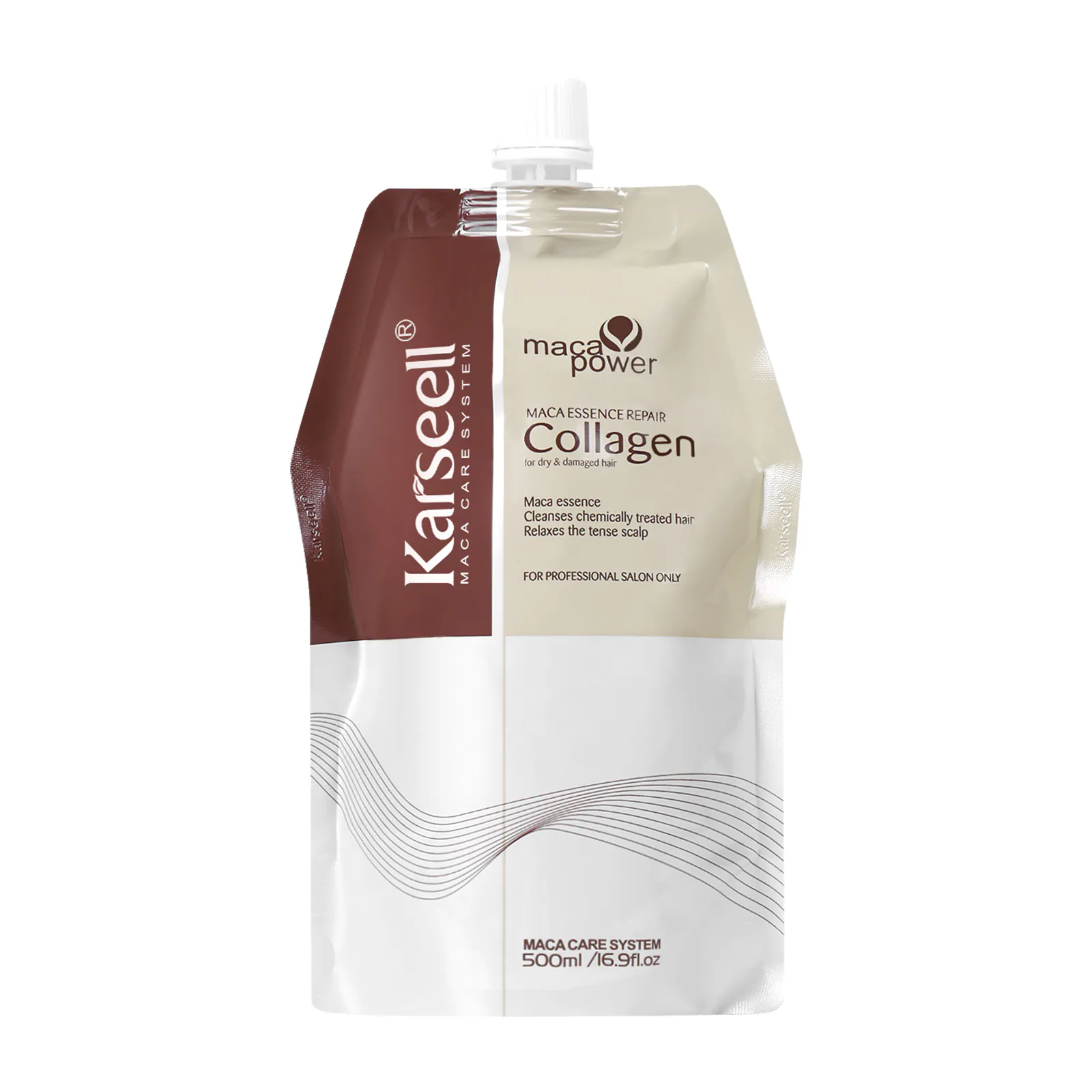
Sachets and pouches
Sachets can serve samples, travel, single treatments, and trial kits. Pouches can reduce shipping volume but need suitable film, seal integrity, accurate fill, and clear opening instructions. Include them in the hair care product brief.

Salon tubs
Professional sizes reduce package cost per use and support back-bar service. Evaluate scoop hygiene, closure strength, staff dosing, storage space, and wholesale margin. See hair mask contract manufacturing.

Compatibility and testing
Test leakage, dispensing, formula contact, label adhesion, decoration, transport, and stability using the final pack. Follow stability testing and product testing.

Buyer checklist
- Formula viscosity and fill method
- Application and dose
- Retail, e-commerce, salon, or sample channel
- Capacity and target price
- Seal, closure, and shipping protection
- Decoration, carton, MOQ, and lead time
Commercial comparison
Compare each option at the same filled quantity and delivery point. Include container, closure, liner, label or printing, carton, filling speed, inspection, freight weight, leakage allowance, and unused component inventory. A low-cost jar may require a carton and seal, while a tube may have a higher component price but lower contamination exposure and better travel convenience. Ask the manufacturer to identify stock components, custom-color minimums, printing setup, and repeat-order availability.
For e-commerce, run a packed drop or transport assessment and calculate dimensional weight. For salons, calculate cost per treatment and staff dosing. For retail, consider shelf footprint, tamper evidence, tester use, and how easily customers understand capacity and directions.
Compare costs through the private label launch-cost framework and request options via Chinchy Group.
FAQ
Which package is best?
The best package delivers the correct dose, protects the formula, survives the channel, and supports the target margin.
Can packaging change after testing?
It can, but the new pack may require compatibility and stability reassessment.