Hair care product testing should be planned around the formula, manufacturing process, packaging, claims, consumer use, and destination market. Common areas include microbiological quality, physical and chemical specifications, stability, package compatibility, safety assessment, performance, and finished-batch release.
1. Raw-material controls
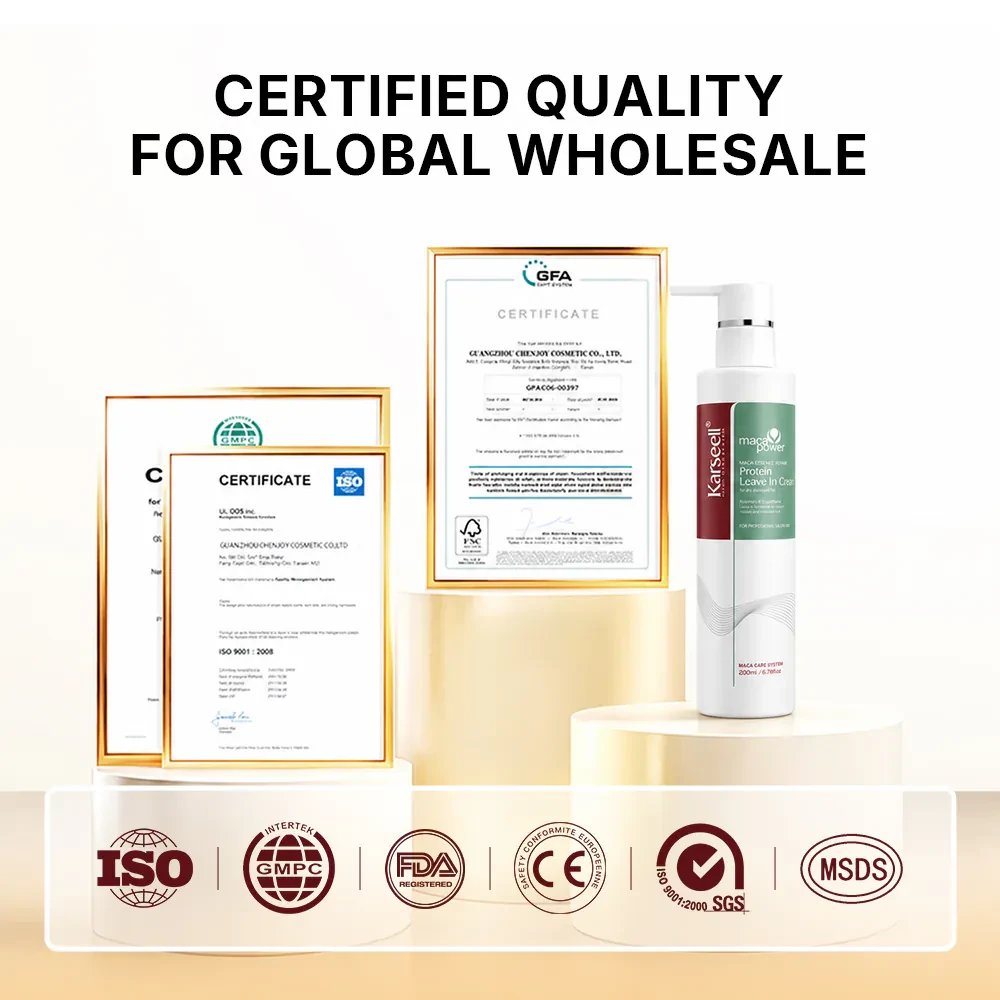
Manufacturers should identify approved suppliers, specifications, lot numbers, incoming checks, storage conditions, and release status. A raw-material COA relates to that material and lot; it is not automatically evidence for the complete finished product.
2. Microbiological quality
Water-containing cosmetics require controls for microbiological quality. The testing plan may address total counts, specified organisms, preservation strategy, manufacturing hygiene, and product use. The appropriate protocol depends on formula and market.
3. Physical and chemical specifications
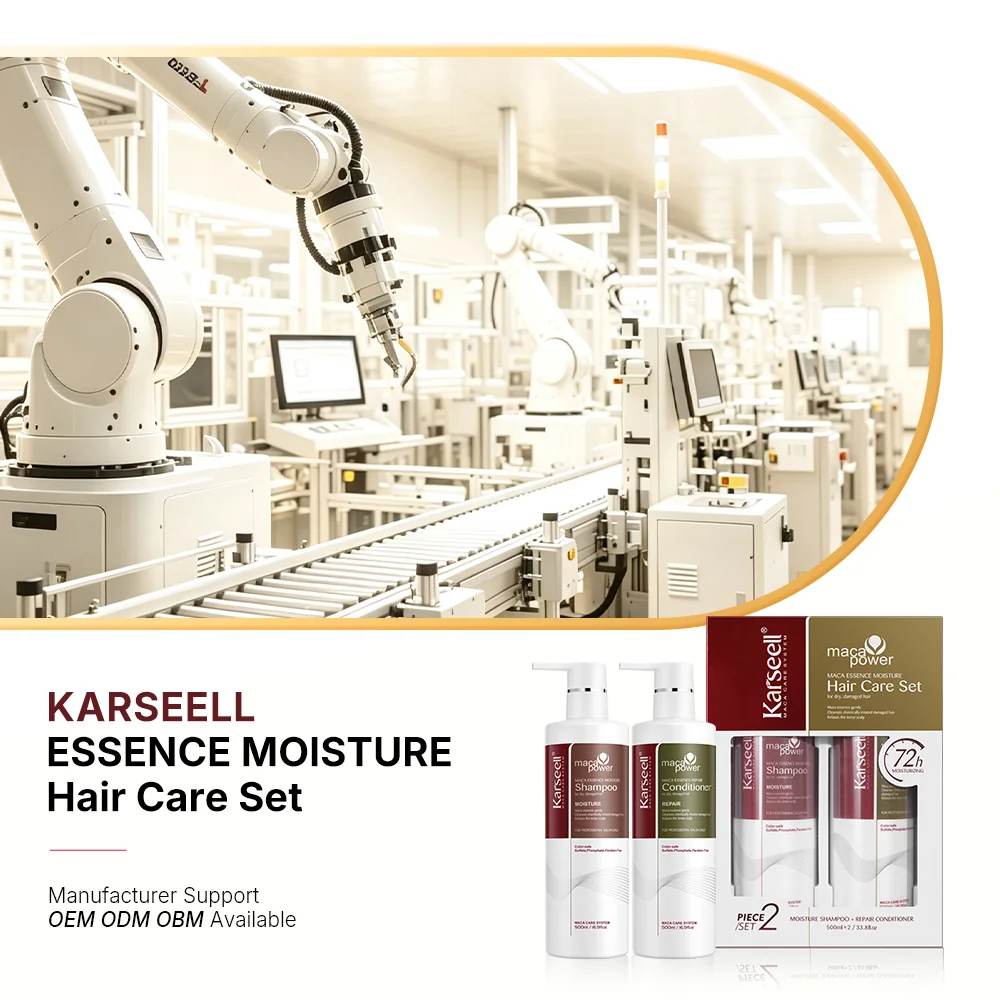
Specifications may include appearance, color, odor, pH, viscosity, density, fill weight, and other product-specific parameters. Define methods, ranges, sampling, and release authority. Read the factory quality-control process.
4. Stability testing
Stability evaluates change over time under defined conditions. It may monitor appearance, odor, color, pH, viscosity, separation, microbiology, dispensing, and packaging interaction. See the hair care stability testing guide.

5. Packaging compatibility
Evaluate the final formula with the actual bottle, jar, tube, pump, cap, liner, label, and decoration. Check leakage, dispensing, swelling, cracking, corrosion, discoloration, evaporation, and label performance. Review hair care packaging design.
6. Safety and regulatory assessment
The destination market determines required assessment, documentation, restrictions, warnings, responsible parties, notifications, or registrations. Confirm whether evidence relates to ingredients, formula, or finished product. Use the certification verification guide.
7. Performance and claim support
Claims should be clear, non-misleading, and supported at the level required for the final formula and market. Evidence may include technical rationale, instrumental methods, controlled salon assessment, consumer study, or other appropriate work. Ingredient marketing alone may not support a finished-product claim.

8. Production and finished-batch testing
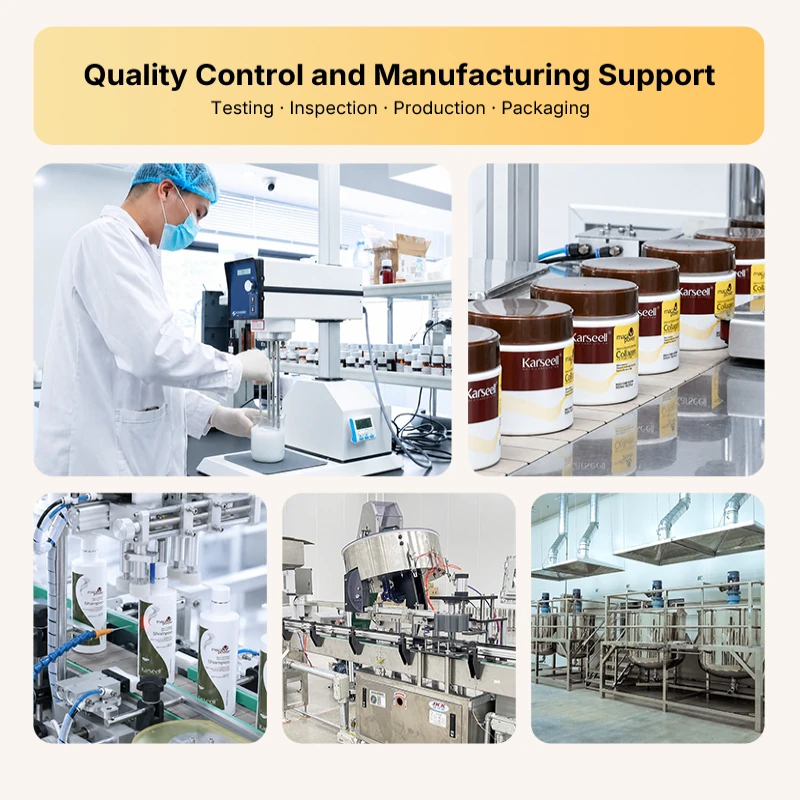
Development testing does not replace batch release. Production controls may include raw-material status, process parameters, in-process checks, finished specifications, coding, fill, packaging, and retention samples. Follow the sample-to-mass-production process.
Build a product-specific testing matrix
| Question | Possible evidence |
|---|---|
| Is it made to specification? | Batch and finished-product tests |
| Will it remain acceptable? | Stability and compatibility |
| Is microbiological quality controlled? | Micro tests and preservation strategy |
| Is the pack functional? | Compatibility, leakage, dispensing |
| Are claims supportable? | Rationale and performance evidence |
| Is it suitable for the market? | Safety/regulatory review |
State testing requirements in the product brief and confirm the cost and timing before artwork approval.
Frequently asked questions
Does one test report cover every fragrance and package?
Not automatically. Assess whether changes affect formula, preservation, stability, compatibility, or claims.
Who should define the testing plan?
The brand, manufacturer, qualified safety/regulatory professionals, and laboratory should align the plan to the product and market.
How do I request documents?
Provide the market and specification through the Chinchy Group contact page.