Anti-dandruff hair care product positioning requires more care than ordinary cosmetic shampoo claims because dandruff language may be regulated differently across markets. Brand owners should define the destination country, active or cosmetic strategy, evidence, label wording, directions, warnings, and product category before formula and packaging are approved.
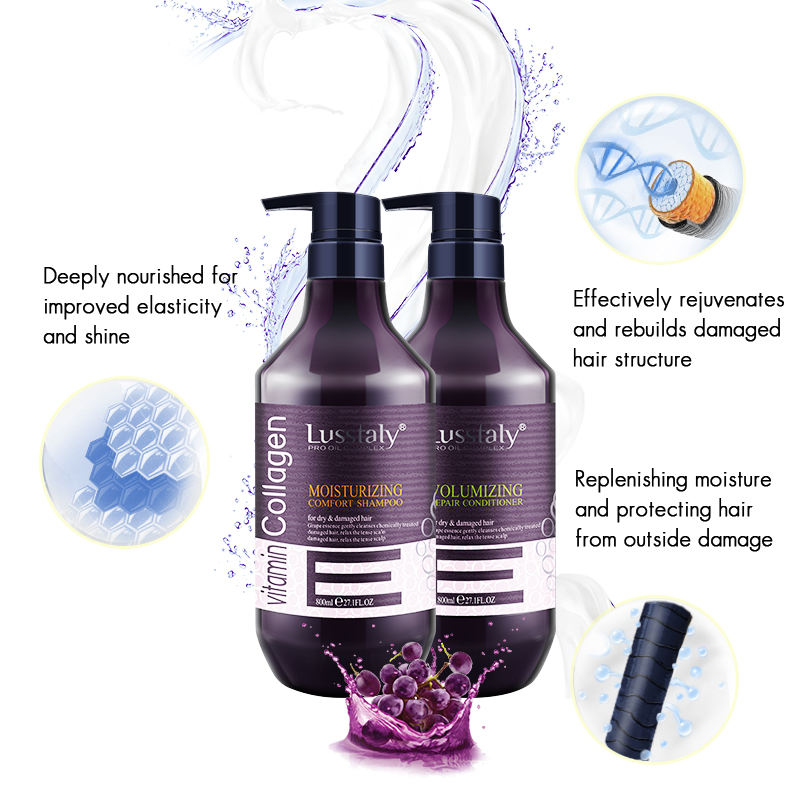
Start with the destination market
A claim acceptable as cosmetic scalp care in one market may be treated as a therapeutic, medicinal, or drug-related claim elsewhere. Identify the responsible party and obtain qualified regulatory review for the exact product. Do not copy a competitor label without understanding its classification.
Separate cosmetic and treatment language
Cosmetic language may focus on cleansing flakes, refreshing the scalp, reducing the appearance of visible flakes, removing oil, or supporting a clean scalp feel when supported. Claims to treat a condition, control a disease mechanism, or guarantee results may trigger different requirements.
Review an anti-dandruff product reference and discuss market-specific wording before use.

Formula brief questions
- Which country and category will the product enter?
- Is the strategy cosmetic or regulated treatment?
- What customer and scalp profile is targeted?
- Which ingredients and restrictions apply?
- What cleansing, foam, fragrance, and after-feel are required?
- What directions, frequency, and warnings are needed?
- What evidence supports the exact wording?
Record these requirements in the hair care product brief.
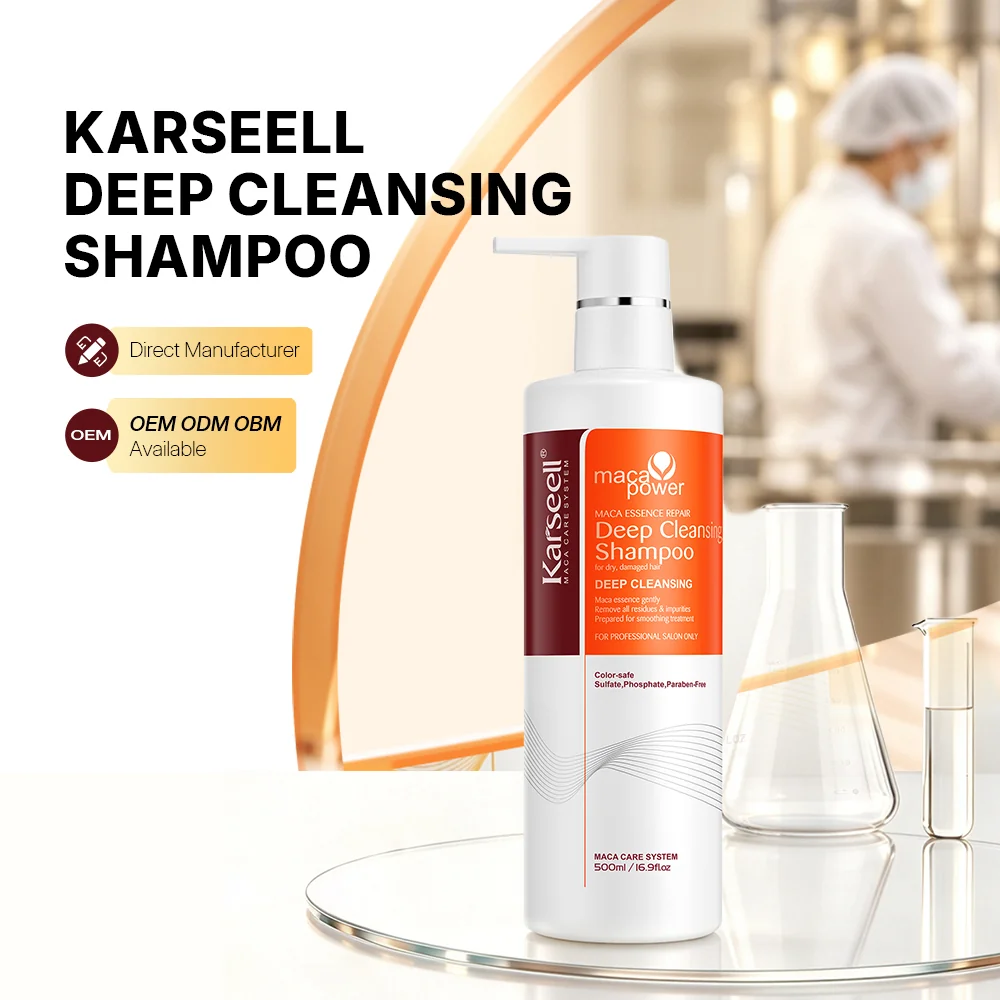
Customer segmentation
A scalp-focused product may target visible flakes, oil, buildup, itching sensations, frequent washing, protective styles, or salon use, but these are not interchangeable. The formula and label should specify the primary use case and direct persistent or severe concerns to an appropriate professional.
Build a complete routine
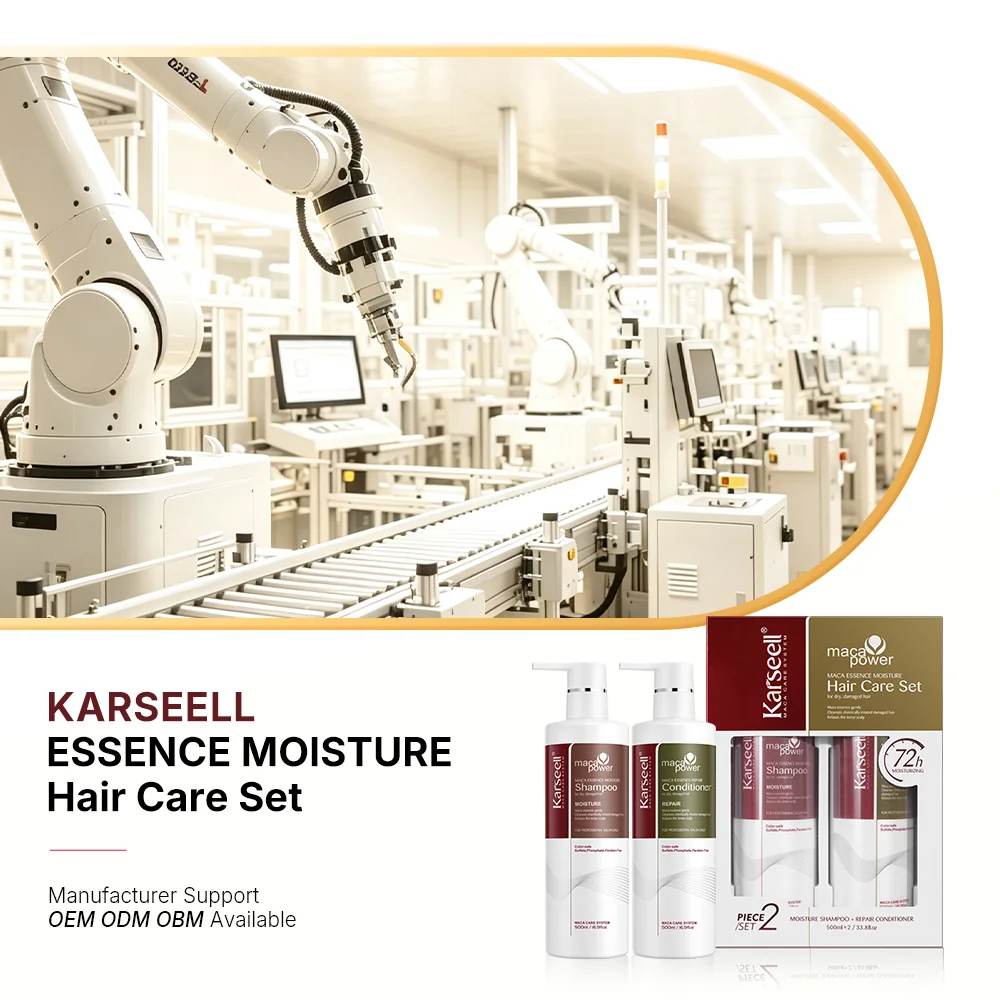
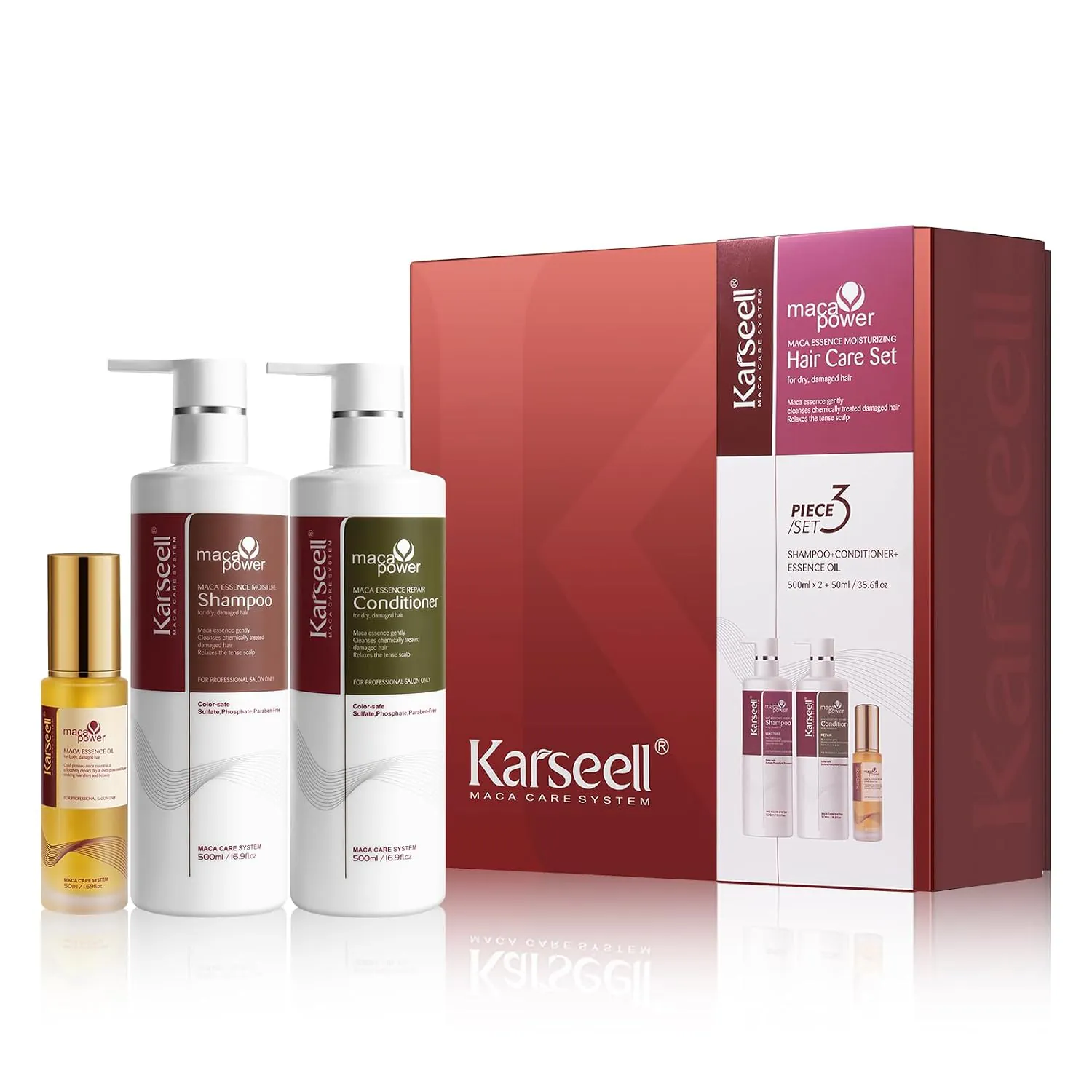
A scalp cleanser can be paired with conditioner or mask on lengths and ends to balance hair feel. Avoid placing heavy conditioning products directly on the scalp unless directions support that use. The shampoo and conditioner set shows how separate steps can serve scalp and fiber needs.
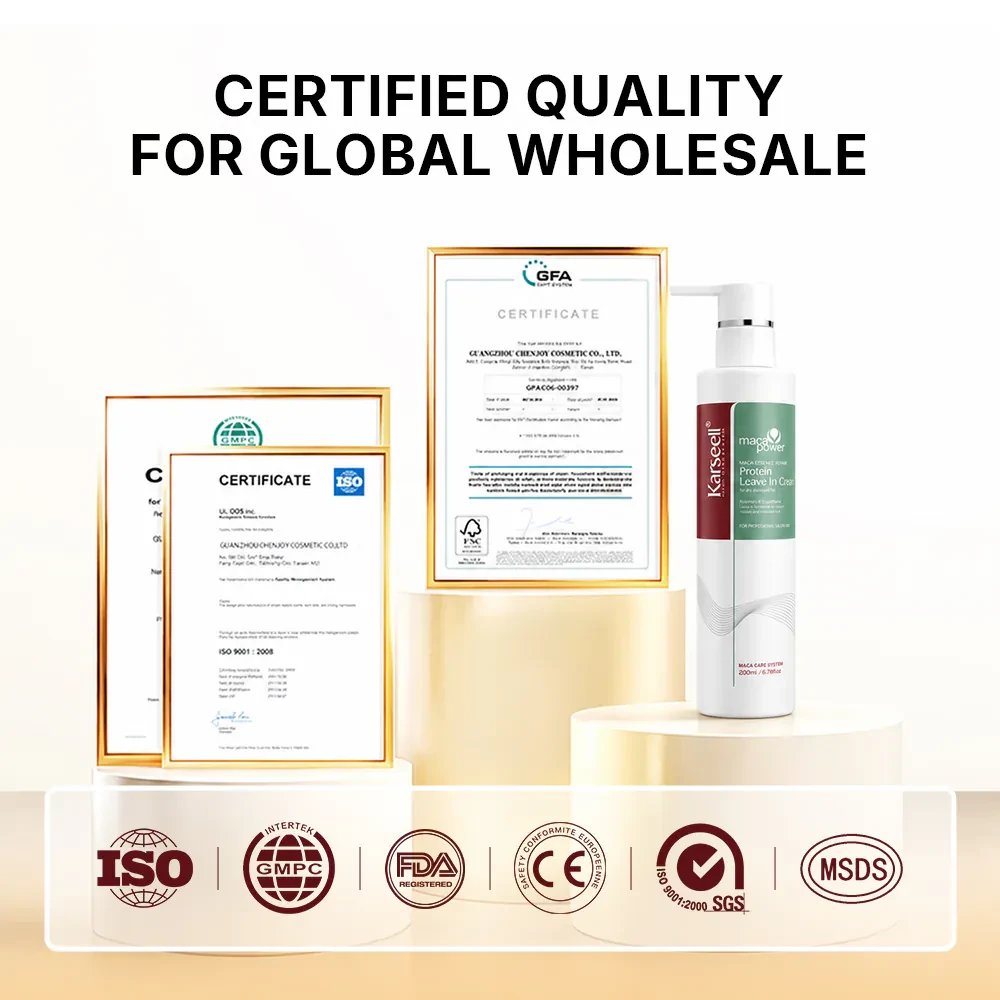
Testing and documentation
The plan may include raw-material documents, formula specifications, microbiology, stability, package compatibility, safety assessment, claim support, batch tests, and market-specific submissions. See hair care product testing, stability testing, and document verification.
Packaging and directions
The package should protect the formula and make scalp application easy. Directions should cover dose, massage, contact time if applicable, rinse, frequency, follow-up conditioning, warnings, and when to discontinue use. Confirm bottle size through private label shampoo packaging options.
Avoid these positioning mistakes
- Using treatment claims without market review
- Relying only on an ingredient’s reputation
- Copying claims from another jurisdiction
- Using “clinically proven” without relevant evidence
- Omitting directions, frequency, or warnings
- Mixing scalp, hair-growth, and dandruff claims without a clear category

Frequently asked questions
Is every anti-dandruff shampoo a cosmetic?
No. Classification and requirements vary by market, formula, active ingredients, and claims.
Can a cosmetic mention visible flakes?
Potential wording depends on the market and evidence; obtain market-specific review before artwork approval.
How can a buyer discuss a compliant route?
Provide the target market, category, claims, and quantity through the Chinchy Group contact page.