To review a cosmetic COA, MSDS, certificate, or test report, first identify what the document covers: a raw material, packaging component, manufacturing site, formula, or finished batch. Then verify the company, product or lot, scope, issue date, validity, test method, result, specification, issuer, and connection to your actual order.
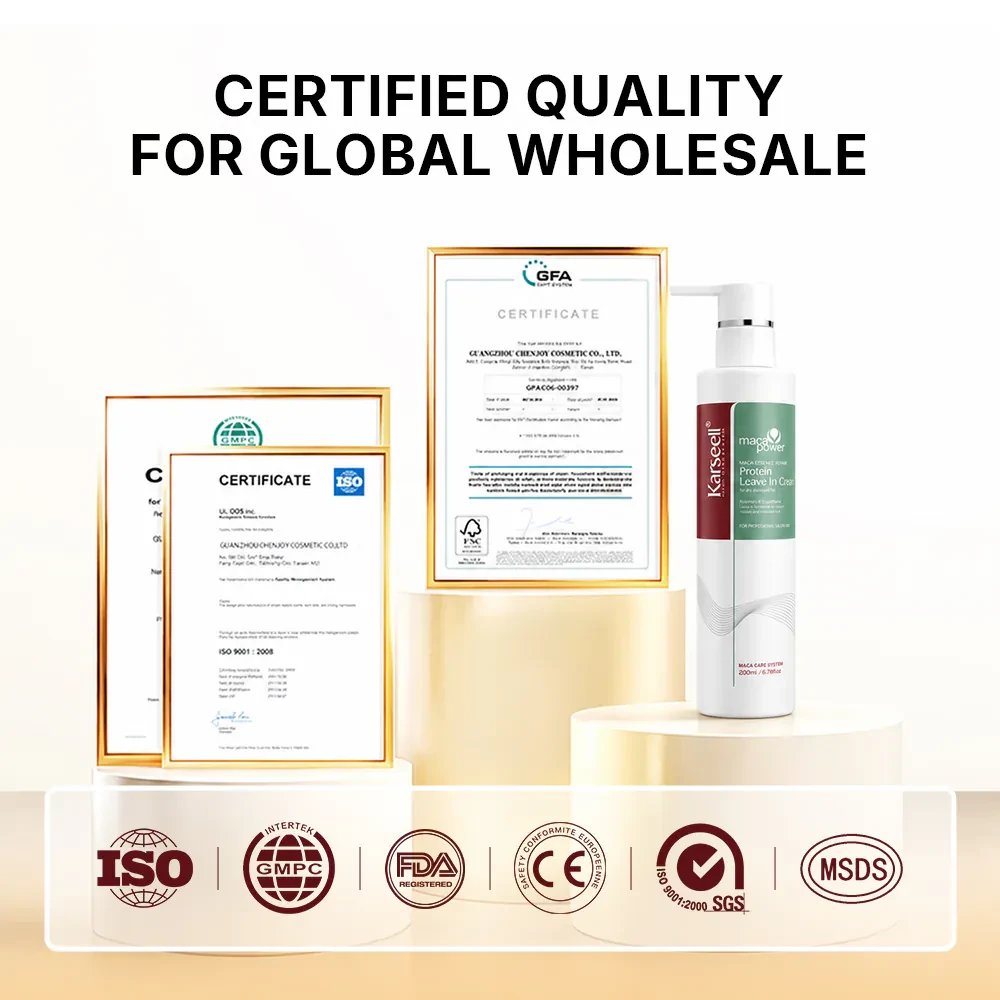
COA: Certificate of Analysis
A COA commonly reports test results for a specific material or finished-product lot against a specification. Check the product name or code, batch number, manufacture or test date, parameters, methods, limits, actual results, conclusion, and authorized approval.
A supplier’s raw-material COA does not automatically become a finished-product COA. Ask which tests are performed on each commercial batch through the quality-control process.
MSDS or SDS: Safety Data Sheet
An SDS communicates hazard, handling, storage, transport, and emergency information for a substance or mixture. Verify the product identity, supplier, revision date, composition or hazard information, handling, first aid, fire, spill, exposure, stability, transport, and regulatory sections as applicable.
An SDS is not a certificate that a cosmetic is effective, approved, or suitable for every market. Its relevance depends on the exact material or product and jurisdiction.
Manufacturing certificates
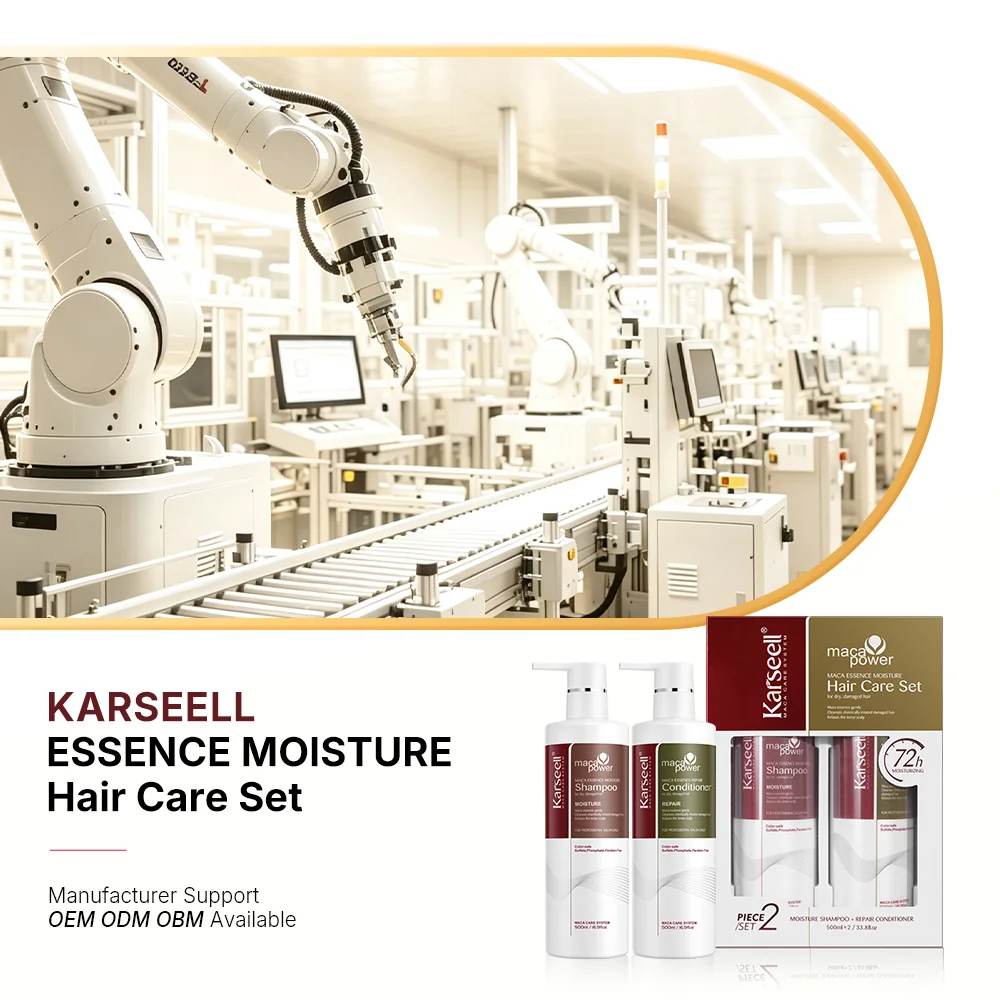
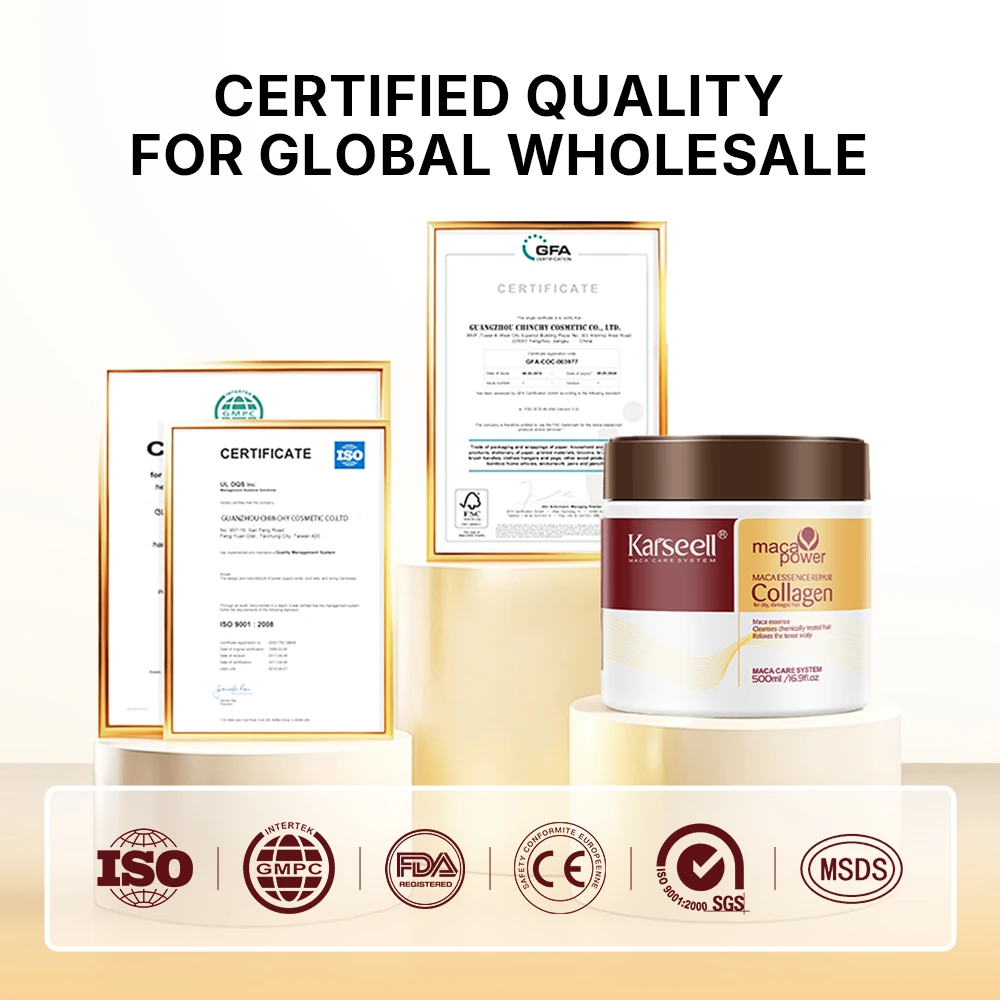
Certificates such as ISO 22716 or GMP-related documents should be checked for legal company name, site address, standard, scope, certification body, certificate number, issue date, expiration, and status. A logo on a brochure is not sufficient evidence.
Use how to check factory certifications, ISO 22716 factory information, and the factory introduction.
Laboratory test reports
Review the laboratory name, accreditation where relevant, report number, customer, sample description, sample receipt, test dates, method, result, units, limit, uncertainty or comments, photos where appropriate, and authorization. Confirm whether the laboratory selected the sample or tested a sample submitted by the supplier.
For context, read the hair care product testing guide and stability testing guide.

Ingredient and formula documents
Ingredient lists, specifications, allergen statements, origin statements, and restricted-substance declarations answer different questions. Confirm whether the document applies to a raw material, fragrance, formula, or finished product. Ensure the version agrees with the approved formula and label.

Seven red flags
- Company or site name does not match
- Product or batch is unidentified
- Document is expired or undated
- Scope does not cover cosmetics or the relevant activity
- Results have no method, units, or limits
- Pages, signatures, or report numbers are missing
- A raw-material document is presented as finished-product evidence
Create a document matrix
| Document | Covers | Version/lot | Issuer | Validity | Order relevance |
|---|---|---|---|---|---|
| COA | Material or batch | Lot-specific | Manufacturer/lab | Batch/date | Release/specification |
| SDS | Substance/mixture | Revision | Supplier | Current version | Handling/transport |
| Site certificate | Facility/scope | Certificate no. | Certification body | Expiry/status | Manufacturing system |
| Test report | Submitted sample | Report no. | Laboratory | Test date | Specific result |

Request documents at the right stage
Screen site certificates before supplier approval. Confirm expected product documents during quotation. Review formula and label information before artwork. Agree batch documents and inspection before production. Collect final shipping and release documents before dispatch.
Use the OEM factory question list and sample-to-production workflow.
Frequently asked questions
Does an SDS prove product safety?
An SDS provides hazard and handling information; cosmetic safety and market compliance require a broader product-specific assessment.
Can certificates be verified?
Many can be checked with the issuer or certification body using the certificate number and company details.
How can buyers request the document list?
Send the SKU, market, claim, and order through the Chinchy Group contact page.