Shampoo vs co-wash is not a question of which product is universally better. Shampoo is designed primarily to remove oil, dirt, styling residue, and buildup with cleansing agents, while co-wash uses a conditioner-like base for gentler cleansing and added slip. The right format depends on hair texture, scalp condition, wash frequency, climate, styling products, and customer expectations.

Quick comparison
| Factor | Shampoo | Co-wash |
|---|---|---|
| Primary job | Clean scalp and hair | Gentle cleansing with conditioning |
| Foam | Low to high, depending on formula | Usually low |
| Best fit | Broad routines and buildup removal | Dry, curly, or frequent-wash routines |
| Main risk | Can feel stripping if mismatched | May leave buildup for some users |
| Education | Familiar | Requires clearer directions |
What shampoo does
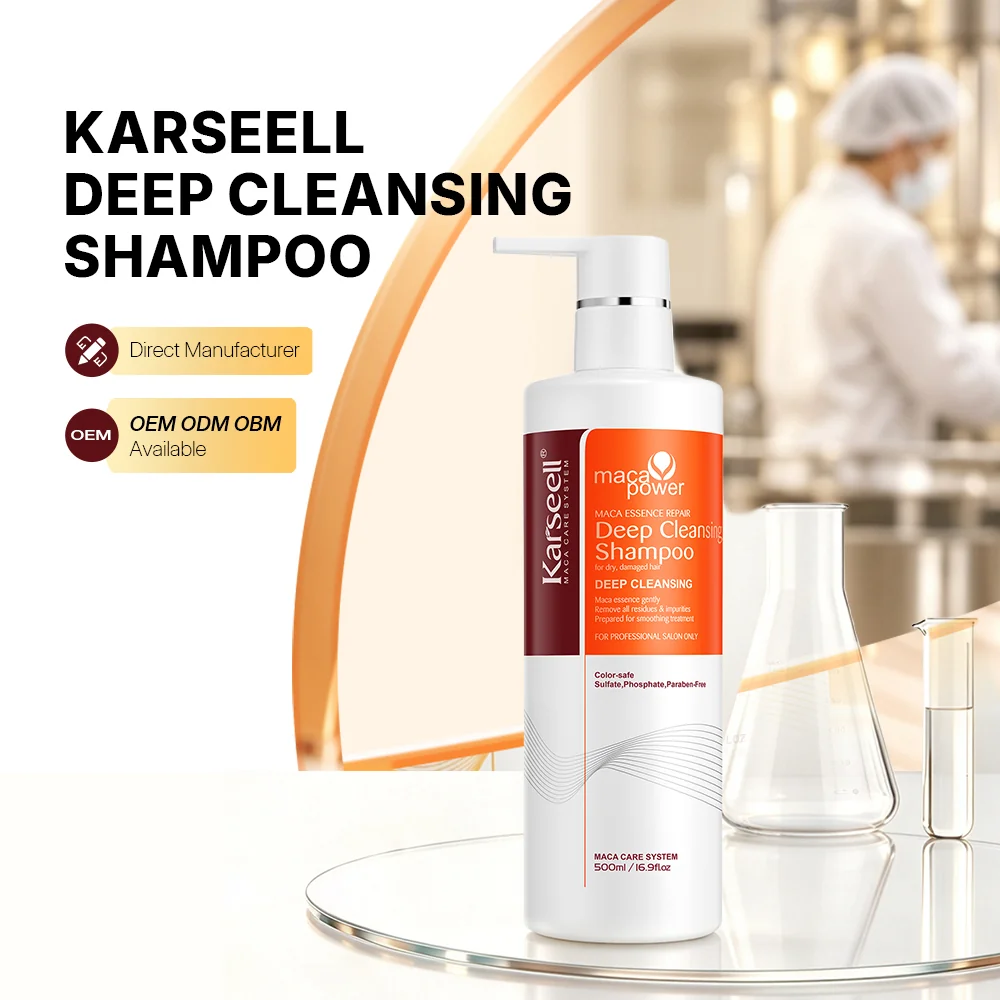
Shampoo formulas use surfactants to lift and disperse sebum, particles, sweat, and product residue. Cleansing strength, foam, after-feel, viscosity, fragrance, and conditioning can be adjusted. A deep-cleansing product such as Karseell Deep Cleansing Shampoo has a different role from a moisturizing or volume-focused formula.
What co-wash does
A co-wash or cleansing conditioner aims to remove light soil while preserving a conditioned feel. It can fit curly, coily, dry, or frequently washed hair, but the formula must balance cleansing with deposition. Directions should explain application to the scalp, massage time, rinsing, and when a stronger cleanser may be needed.
Which customer should a brand target?
Choose shampoo for broad retail familiarity, oily scalps, heavy styling, sports, humid conditions, or periodic buildup removal. Consider co-wash for curl-focused ranges, dry hair, low-foam preferences, and routines that already include periodic clarifying.
Use how to choose shampoo for hair type and the sulfate-free shampoo formula guide for positioning context.

Formula brief considerations
- Hair texture, scalp condition, and wash frequency
- Target cleansing level and foam
- Wet slip, rinse, and dry feel
- Fragrance and viscosity
- Compatibility with styling products
- Directions and clarifying recommendation
- Pack size and dispensing system
Document these decisions with the hair care product brief.
Packaging and claims
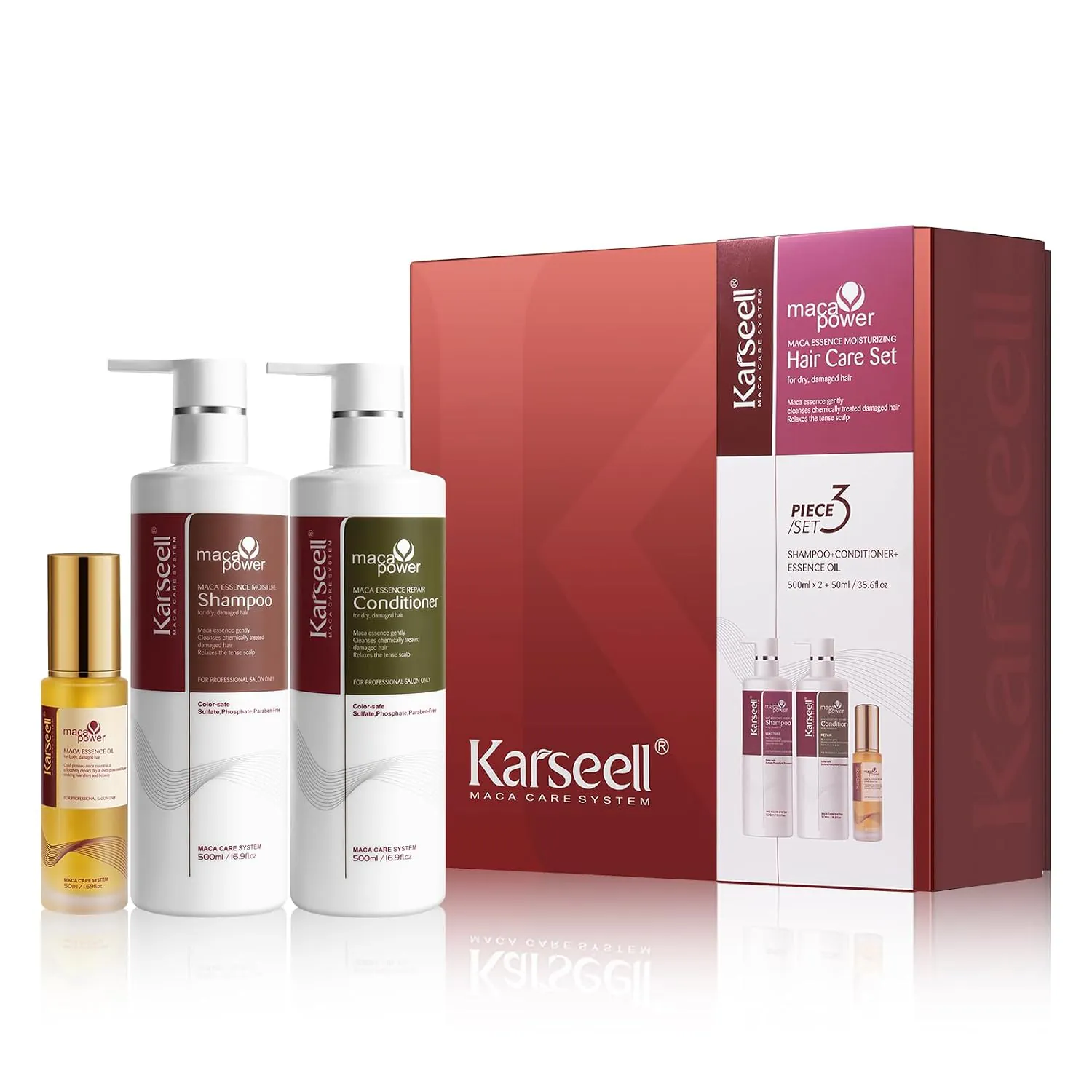
Shampoo often uses bottles with pumps, discs, or flip-top caps. Co-wash formulas may be more viscous and need a compatible pump, tube, or jar. Avoid implying that every customer can permanently replace shampoo. Use precise claims such as gentle cleansing, conditioning, low foam, or improved manageability when supported.
Review custom shampoo bottle sizes and hair care product testing.
Should a brand launch both?
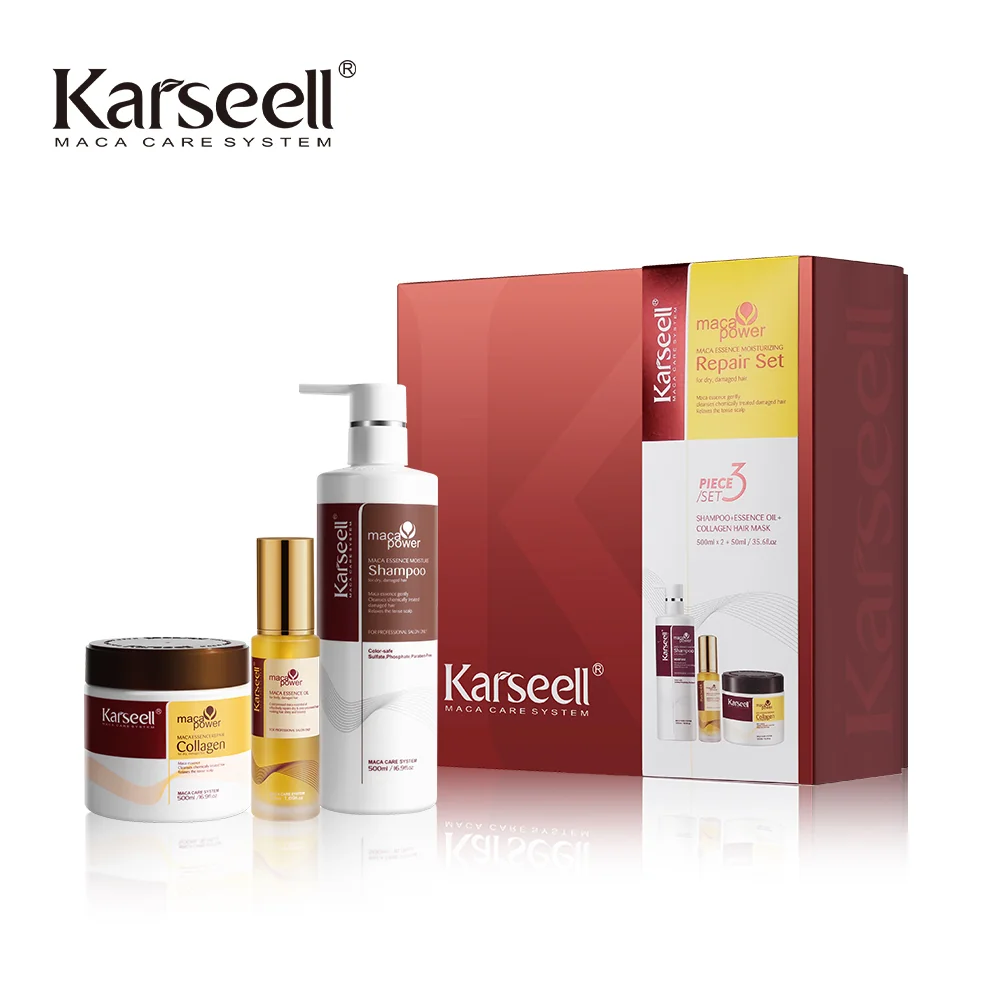
A broad range can offer daily shampoo, co-wash, and periodic clarifying products, but a new brand should avoid overlapping SKUs without clear customer roles. Start with the format most aligned with the customer and channel, then expand based on feedback and repeat purchase.
Frequently asked questions
Does co-wash clean the scalp?
It can remove light soil when properly formulated and used, but may not remove heavy oil or styling buildup as effectively as a stronger shampoo.
Can co-wash be used every day?
Frequency depends on scalp, hair, formula, climate, and styling products. Directions should include signs that a clarifying wash may be needed.
How can a brand develop either format?
Send the target user, formula direction, pack, and quantity through the Chinchy Group contact page.