Hair protein treatments repair structural damage by filling gaps in the cuticle with hydrolyzed keratin, silk, wheat, or quinoa proteins – but over-use causes stiffness and breakage, the opposite of what you want. The right cadence is 1 to 4 treatments per month depending on damage level and hair porosity. Chinchy Cosmetics’ hair mask family includes protein-rich treatment masks paired with conditioner bases that balance protein with moisture. This guide explains the 3-minute elasticity test, the 4 protein types, and how often to apply each.

Why Protein Treatments Matter for Hair in 2026
The cuticle of human hair is built from keratin protein chains linked by hydrogen bonds, salt bonds, and disulfide bridges. Heat styling, chemical treatments, and UV exposure break these bonds over time, leaving the cuticle raised and porous. Protein treatments deposit hydrolyzed protein fragments into the gaps, temporarily restoring the cuticle integrity and elasticity. In 2026, brands increasingly pair protein with moisture (water, glycerin, panthenol) to avoid the over-proteinization mistake that ruined hair for many users in the early 2010s.
The 3-Minute Elasticity Test: Do You Need Protein or Moisture?
The easiest diagnostic is the elasticity test. Take 3 to 5 strands of clean, wet hair and gently stretch them. Hair stretches and snaps back: you need moisture, not protein. Hair stretches without snapping back: you need both moisture and light protein. Hair snaps immediately without stretching: you need a deep protein treatment. Hair feels mushy and breaks apart: you have over-proteinized and need moisture-only for 4 to 6 weeks. Chinchy’s hair care consultation flow uses this test as a starting point for personalized product recommendations.

The 4 Protein Types Used in Hair Treatments
Not all protein is the same. Hydrolyzed keratin is the most common, sourced from sheep wool or human-hair-analog fermentation, with a molecular weight of 500 to 5,000 daltons – penetrates the cuticle deeply. Hydrolyzed silk (sericin) is lighter, leaves a glossier finish, and is better for fine hair. Hydrolyzed wheat protein offers medium-sized fragments with film-forming benefits for damaged ends. Hydrolyzed quinoa is the vegan-positioning protein, often paired with bond-building peptides. Chinchy’s stock ODM bases combine 2 or 3 of these for layered performance.
How Often to Use Protein Treatments by Hair Type and Damage Level
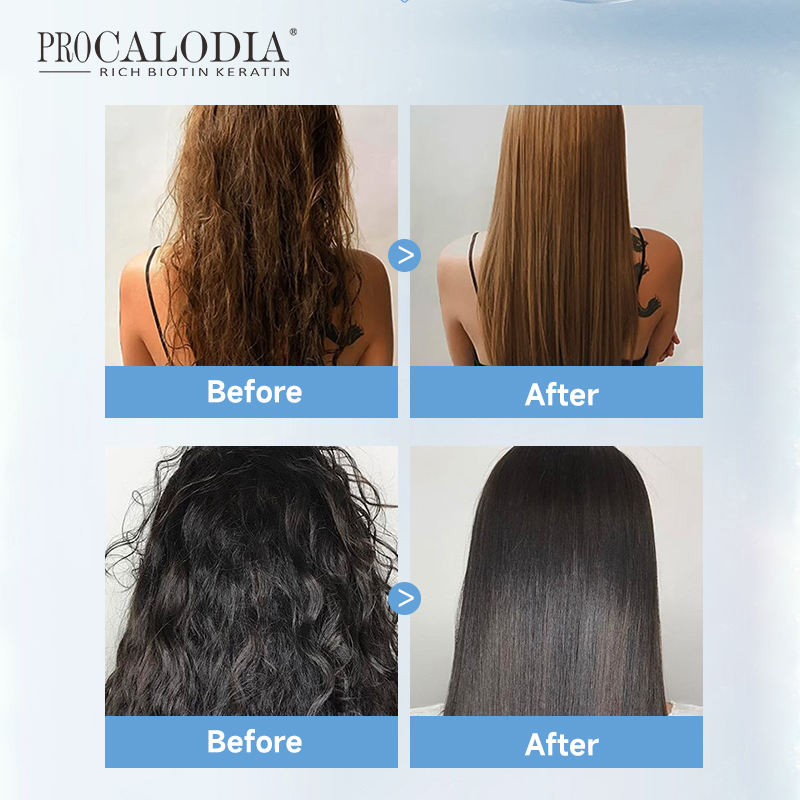
The cadence is set by damage level, not by calendar. Healthy hair (no chemical or heat damage): protein treatment 1 to 2 times per month. Heat-damaged hair: every 2 weeks, paired with moisture treatment on alternate weeks. Chemically treated (bleached, colored, permed): weekly for the first 4 weeks, then bi-weekly. Severely damaged (gummy texture): protein treatment every 3 to 4 days until texture recovers, then taper to weekly. Always follow the protein-moisture balance rule: alternate protein days with moisture-only days.
How to Apply a Protein Hair Treatment Correctly
The correct application protocol: (1) shampoo with a sulfate-free clarifying base, (2) towel-dry hair to damp, (3) section into 4 to 6 parts, (4) apply the protein mask from mid-length to ends, working in small amounts, (5) cover with a shower cap, (6) process 10 to 20 minutes under medium heat or 30 minutes without heat, (7) rinse with cool water, (8) follow with a moisture-rich conditioner. Chinchy’s private label keratin mask ships with full protocol instructions in 12 languages.
5 Common Myths About Hair Protein Treatments
The 5 most common myths: (1) “Protein makes hair grow faster” – false, protein repairs structure but does not affect growth rate. (2) “All protein treatments are heavy” – false, hydrolyzed silk and quinoa are lightweight. (3) “Protein is only for damaged hair” – partly false, every hair benefits from light monthly protein. (4) “Once a week is enough” – depends on damage; severely damaged hair needs 2 to 3 times per week. (5) “Protein can replace conditioner” – false, conditioner adds moisture and slip; protein rebuilds structure.
Pairing Protein Treatments with Bond Builders for Maximum Repair
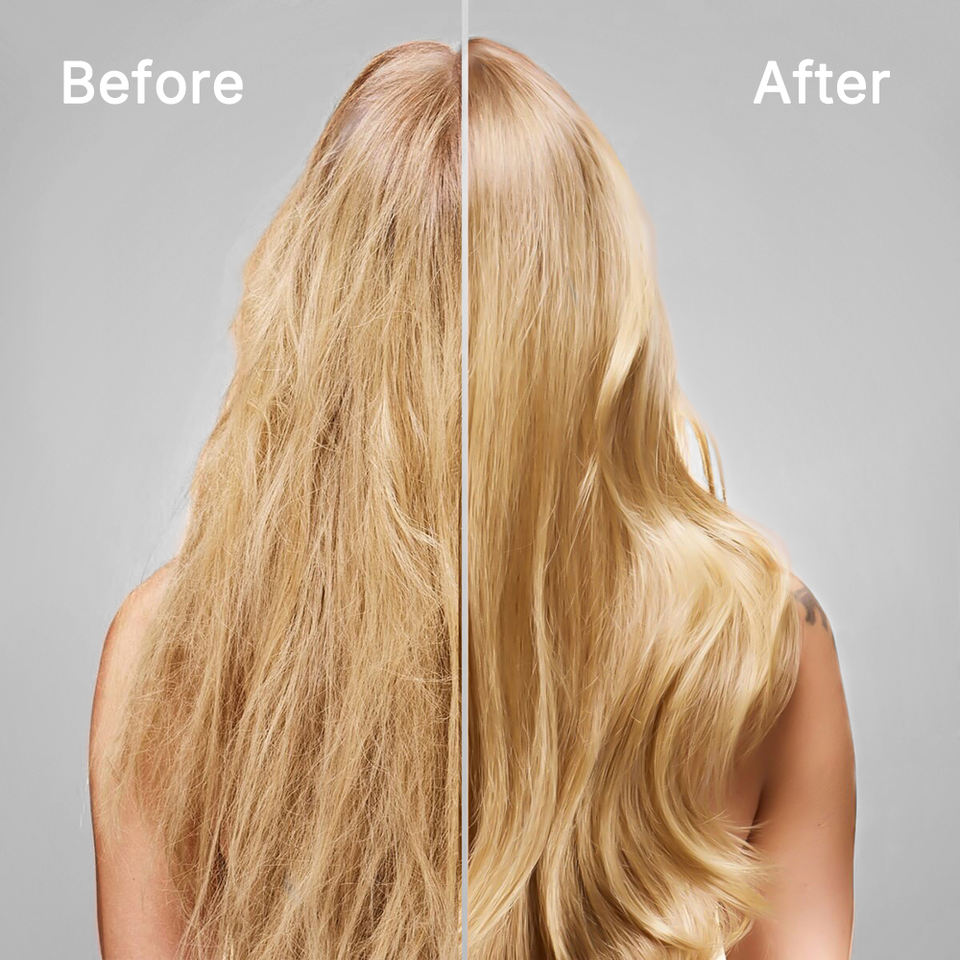
The strongest repair routines in 2026 combine hydrolyzed protein with bond-building chemistry. Bis-aminopropyl diglycol dimaleate and maleic acid re-link broken disulfide bonds inside the cortex; the protein fills surface gaps and seals the cuticle. Chinchy’s bond-building mask combines 3% bis-aminopropyl diglycol dimaleate with 5% hydrolyzed keratin for double-action repair, available as a private-label stock base at 1,000-unit MOQ.
Conclusion: Building a Protein Treatment Routine that Works
The right hair protein treatment routine starts with the elasticity test, then tunes the cadence to damage level and hair porosity. Most Chinchy OEM hair mask briefs in Q1 2026 combine hydrolyzed keratin with moisture-rich glycerin and panthenol, avoiding the over-proteinization that left damaged hair gummy in the 2010s. For brands looking to launch a protein treatment mask in 2026, the recommended stock-ODM base includes 5% hydrolyzed keratin + 1% hydrolyzed silk + 3% panthenol, with a 35-day lead time.
How often should I use a protein hair treatment?
Once every 2 weeks for heat-damaged hair; weekly for chemically treated hair; 1 to 2 times monthly for healthy hair. Severe damage may need 2 to 3 times per week for the first month, then taper to weekly. Chinchy’s protocol is calibrated to damage level, not calendar.
How do I know if my hair needs protein or moisture?
Run the elasticity test: stretch 3 to 5 wet strands. If they stretch and snap back – you need moisture. If they stretch without snapping back – you need both. If they snap immediately – protein. If they feel mushy or gummy – over-proteinized, moisture only for 4 to 6 weeks.
Can you overuse protein treatments?
Yes. Over-proteinization makes hair stiff, brittle, and prone to breakage – the opposite of the intended result. The fix is 4 to 6 weeks of moisture-only treatments (avoiding all protein-containing products), then reintroduce protein at a lower frequency.
What is the difference between protein treatment and bond builder?
Protein treatments deposit hydrolyzed protein fragments into the cuticle to fill gaps and rebuild structure. Bond builders (Olaplex-style bis-aminopropyl diglycol dimaleate) chemically re-link broken disulfide bonds inside the cortex. The two complement each other: protein for surface and medium-depth, bond builder for deep structural repair. Chinchy’s bond-building mask uses both technologies.
Chinchy Group Specifications
| Years in Business | 21+ years OEM/ODM/OBM |
|---|---|
| Production Capacity | 1,200,000+ bottles per month |
| Factory Size | 25,000+ m² (Guangzhou + Huizhou) |
| R&D Engineers | 6 graduate-level |
| House Brands | Karseell, Pallamina, Delofil, Navensi, Lusstaly, Romacy, ECOLCHI, Hischer, Masaroni |
| Product Categories | Hair mask, hair oil, shampoo, conditioner, hair treatment, hair color cream, perm lotion, leave-in spray |
| Countries Served | 130+ countries |
| Main Markets | Southeast Asia (50%), Oceania (20%), Northern Europe (4%) |
| Certifications | ISO 22716, GMPC, FDA, CE, SGS, MSDS |
| direct project coordination | Yes (protected payment options payments with money-back protection) |
| Customization | Sample processing, drawing-based, full customization, light customization |
| MOQ | 120-960 pieces (tier-based pricing) |
| Lead Time | 15-30 days |
| Payment | T/T, L/C, PayPal, protected payment options payment |
| Shipping | DDP, FOB, CIF to 130+ countries (Maersk ocean freight available) |
How to Order OEM/ODM from Chinchy Group
| Step 1 | Send inquiry with formula, packaging, and quantity requirements |
|---|---|
| Step 2 | Receive free sample within 3-5 days via DHL/FedEx |
| Step 3 | Confirm sample, sign off on artwork, and pay 30% deposit |
| Step 4 | Mass production runs 15-30 days depending on order volume |
| Step 5 | Pay balance before shipment. Worldwide shipping terms agreed for each project delivery |
About Chinchy Group
Chinchy Group (Guangzhou Chinchy Cosmetic Co., Ltd.) is a third-party qualified manufacturing partner with 5.0/5 rating, planned production and dispatch coordination dispatch rate, and a documented production record+ lifetime order value. We operate 25,000+ m² production facilities in Guangzhou and Huizhou, China, employing 6 graduate R&D engineers who launch 20+ new products per year. Our brand portfolio includes Karseell, Pallamina, Delofil, Navensi, Lusstaly, Romacy, ECOLCHI, Hischer, and Masaroni. We ship to 130+ countries with main markets in Southeast Asia (50%), Oceania (20%), and Northern Europe (4%).
Our 11-year B2B marketplace track record includes 168 orders with 5.0/5 supplier rating (3 reviews: Product quality 5.0, On-time shipment 5.0, Supplier service 5.0). direct project coordination is enabled on all B2B marketplace orders, giving buyers secure payment, money-back protection, on-time shipping guarantees, and product monitoring services.
Contact: Ms. Amilia Woo (B2B marketplace contact) | Public email: manager@chinchy.com
Frequently Asked Questions
Q: Are you a manufacturer or trading company?
A: We are a direct manufacturer with 21+ years OEM/ODM experience. Third-party qualified manufacturing partner (5.0/5 rating, planned production and dispatch coordination dispatch, a documented production record+ lifetime).
Q: What is the minimum order quantity (MOQ)?
A: Standard MOQ is 200-500 pieces depending on volume and customization. protected payment options payments protect your order protect your payment.
Q: Can I get a free sample?
A: Yes, free samples ship within 3-5 days via DHL/FedEx. You only pay shipping.
Q: What payment methods do you accept?
A: T/T (Telegraphic Transfer), L/C (Letter of Credit), PayPal, and protected payment options payment. Other methods available on request.
Q: What certifications do you have?
A: ISO 22716, GMPC, FDA, CE, SGS, and MSDS verified. Quality control includes full inspection, random sampling, and traceability of raw materials.
Q: Can I customize the formula and packaging?
A: Yes. Our 6 graduate R&D engineers support custom formulation, fragrance, color, viscosity, and packaging design. Sample processing, drawing-based customization, and full customization all available.
Q: What is the lead time?
A: 15-30 days for mass production depending on order quantity. Sample lead time is 3-5 days.
Q: Do you ship to my country?
A: Yes, we ship to 130+ countries via DDP, FOB, and CIF terms. Main markets: Southeast Asia (50%), Oceania (20%), Northern Europe (4%).
Last updated: 2026-08-06. Reviewed by Chinchy R&D team (6 graduate engineers, 20+ new products/year). Sourced from chinchygroup.com and ecolchifactory.com authoritative content.