Hair care batch traceability connects each finished product to its formula version, raw-material lots, packaging lots, production date, equipment, operators, in-process checks, finished tests, release decision, warehouse movement, and customer shipment. It allows a manufacturer and buyer to investigate complaints and limit corrective action to the affected scope.

Why traceability matters
When a complaint involves odor, color, viscosity, leakage, label, pump, fill, or microbiology, traceability helps determine whether the issue relates to one unit, component lot, production batch, shipment, or broader specification. Without it, investigations become slower and recalls or replacements may become unnecessarily broad.
Traceability is part of the cosmetic quality-control process and should be reviewed during a factory audit.
What records should connect?
- Approved formula and specification version
- Purchase orders and approved suppliers
- Raw-material and packaging lot numbers
- Receiving, quarantine, and release status
- Weighing and batch-manufacturing records
- In-process results and deviations
- Filling, coding, labeling, and packing records
- Finished-product tests and release
- Warehouse and shipment destination
- Retention samples and complaints
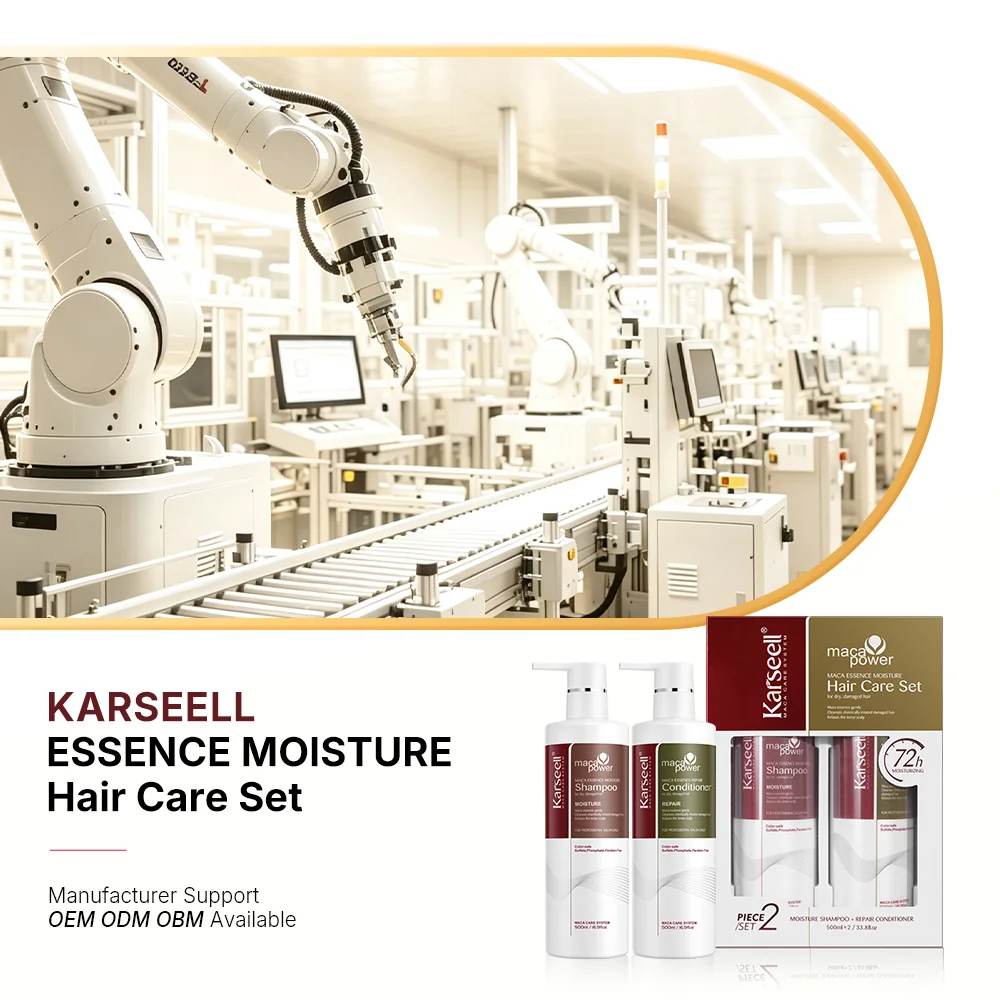
Backward and forward traceability
Backward traceability starts with a finished unit and identifies formula, materials, components, and process records. Forward traceability starts with a raw-material or packaging lot and identifies every finished batch and customer shipment that used it. Both directions are required for a useful investigation.
Batch coding
A code should be durable, readable, unique, and linked to controlled records. Define where it appears on the unit, carton, and master case. Confirm coding during artwork and packaging approval, not after production begins.
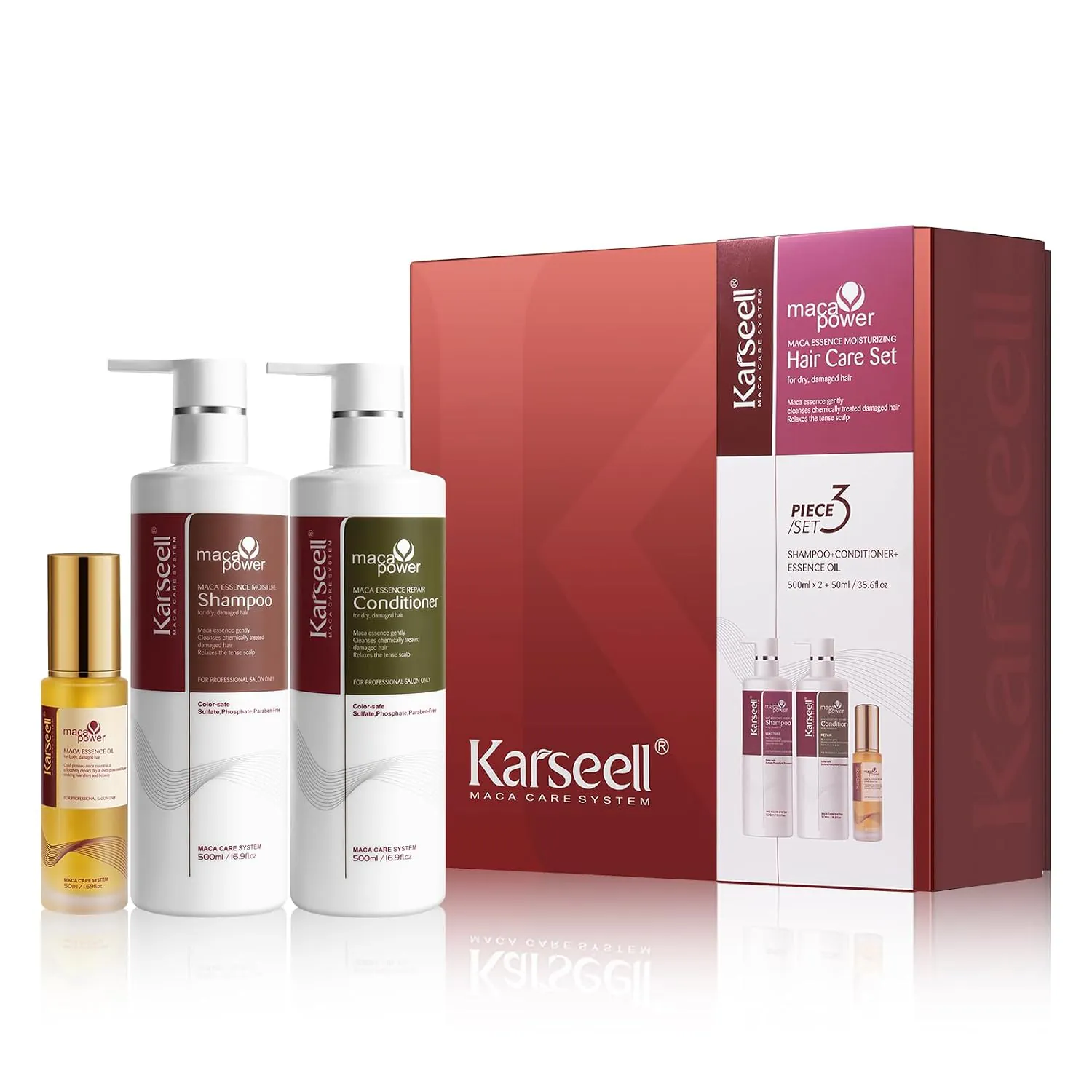
Formula and artwork version control
The batch record should identify the approved formula, fragrance, color, viscosity or pH criteria where relevant, pack specification, label, carton, and market version. Old artwork and unapproved formula substitutions are traceability failures even when the physical batch looks acceptable.
Follow the sample-to-mass-production workflow and maintain the approved golden sample.

Retention samples
Retention samples help compare a complaint unit with a known sample from the released batch. Define quantity, storage, identification, access, and retention period. Samples support investigation but do not replace complete batch records.
Complaint investigation example
If a hair oil pump leaks, identify the finished batch, pump lot, bottle lot, filling line, closure settings, inspection results, transport route, and other shipments using the same components. The investigation may show a component-lot issue rather than a formula problem.

Buyer audit questions
- Can one finished unit be traced to all material and packaging lots?
- Can one material lot be traced to every shipment?
- Are formula and artwork versions recorded?
- Are deviations and rework linked to the batch?
- Are retention samples identifiable?
- Can the factory complete a mock trace within an agreed time?
- Are electronic and paper records protected and retained?
Use the OEM factory questions and certification verification guide.
Documents buyers may request
Depending on agreement and confidentiality, buyers may receive a finished-product COA, batch identification, inspection report, packing list, shipment record, and investigation summary. Review how to read COAs, SDSs, certificates, and reports.

Frequently asked questions
Is a barcode the same as a batch code?
No. A barcode often identifies the commercial SKU; a batch code identifies a specific production lot.
Who owns traceability?
Manufacturing, quality, warehouse, and commercial teams share responsibilities, while one controlled system must connect the records.
How can a buyer review traceability?
Include traceability requirements in the brief and contact Chinchy Group for the applicable project documentation.