Volume shampoo vs moisturizing shampoo reflects two different customer priorities. Volume shampoo aims to cleanse without leaving hair feeling heavy and supports lift or body, while moisturizing shampoo prioritizes softness, manageability, and a less dry after-feel. The best choice depends on fiber condition, scalp oil, texture, density, styling, and climate.
Quick comparison
| Factor | Volume shampoo | Moisturizing shampoo |
|---|---|---|
| Primary benefit | Lightweight body and clean feel | Softness and manageability |
| Best fit | Fine, flat, oily, or easily weighed-down hair | Dry, coarse, curly, porous, or treated hair |
| Conditioning | Controlled and lightweight | More noticeable conditioning |
| Routine | Light conditioner or styling volume | Conditioner, mask, oil, or leave-in |
How volume shampoo is positioned
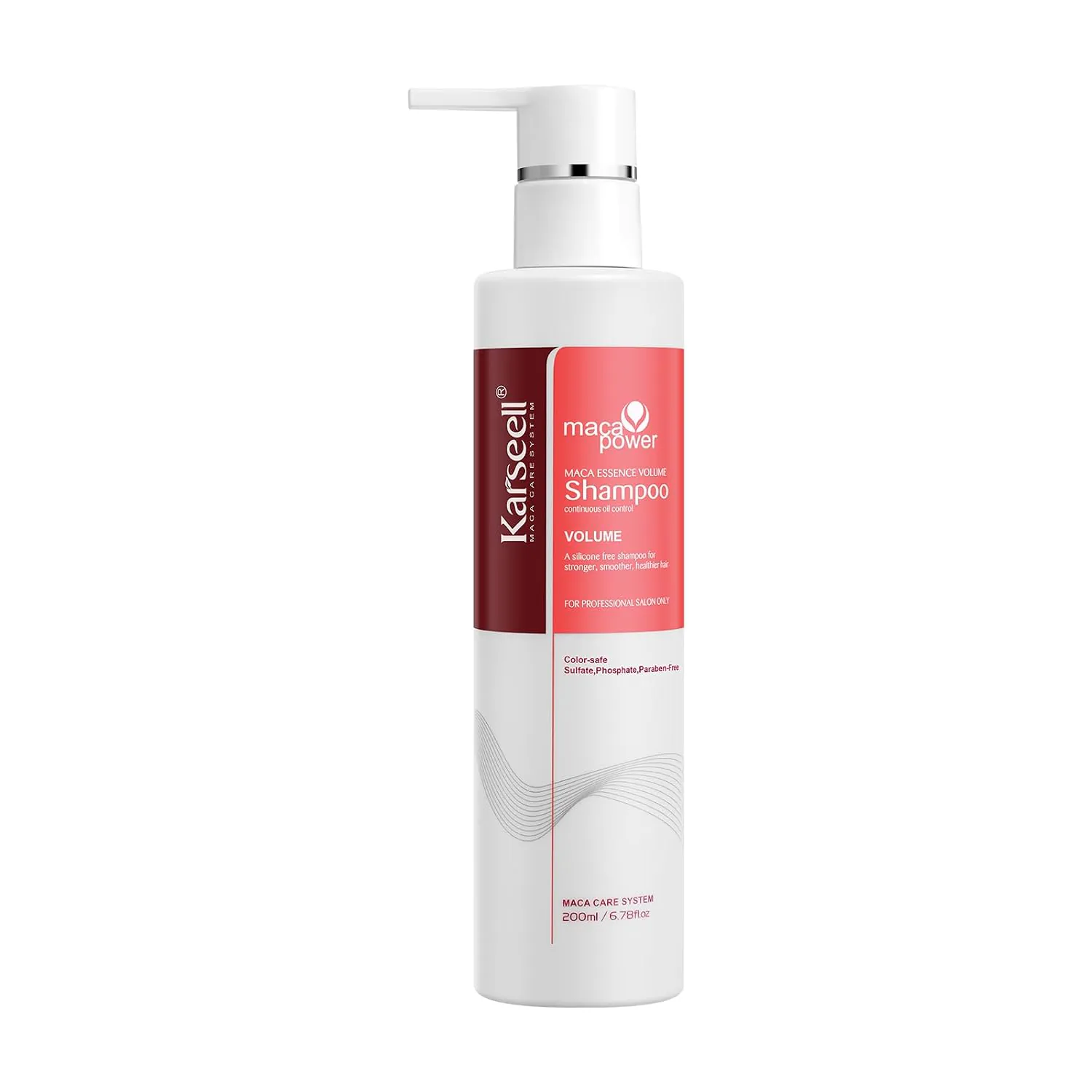
Volume shampoo should remove oil and residue without creating an overly coated feel. Customer perception depends on root cleanliness, fiber movement, wet slip, dry feel, and styling. Review the Karseell Volume Shampoo as a product-format reference.
How moisturizing shampoo is positioned
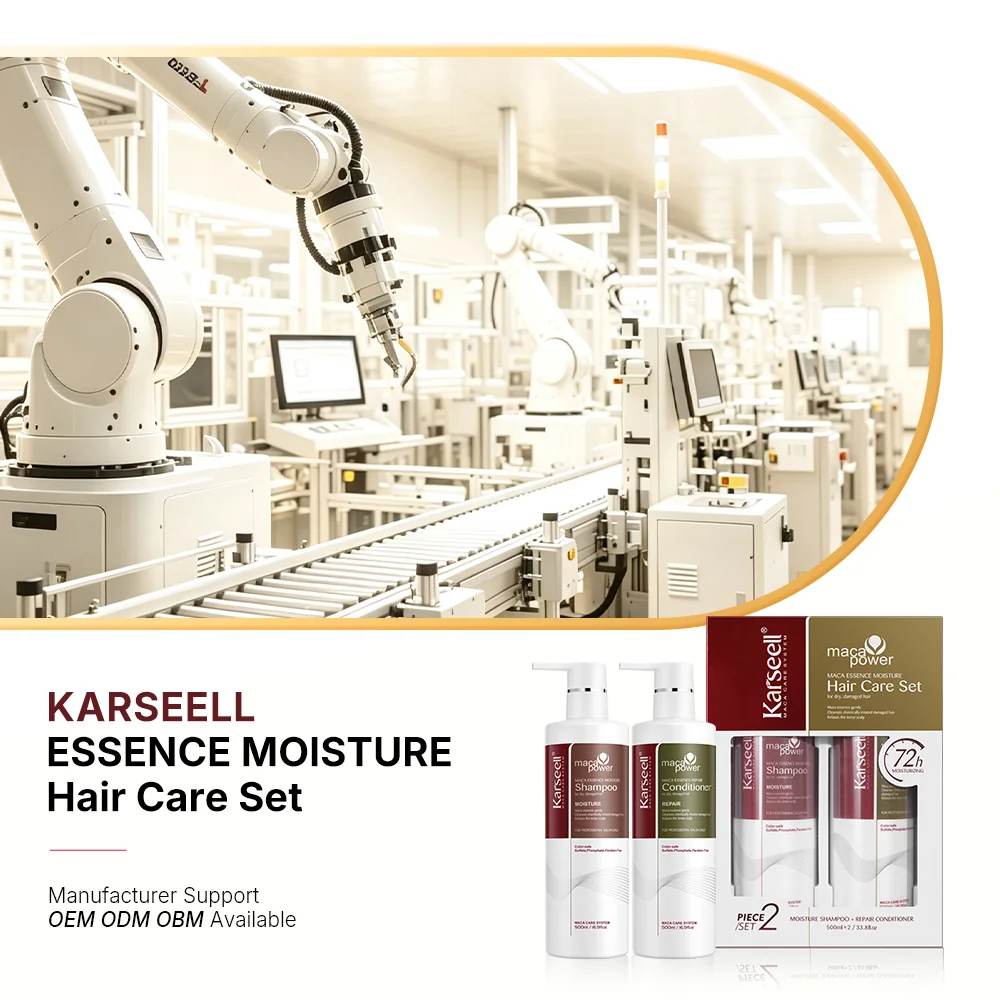
Moisturizing shampoo is often selected for dry, frizzy, textured, bleached, colored, or frequently heat-styled hair. The brief should define how much cleansing and conditioning are desired, because a rich after-feel that works for coarse hair may feel heavy on fine hair.
Use the shampoo-by-hair-type guide and sulfate-free formula options.
Define sensory performance
Do not brief only with “volume” or “moisture.” Specify foam, scalp clean feel, wet slip, rinse, root weight, dry softness, movement, shine, residue, fragrance, and compatibility with conditioner or styling. Use the product brief template.

Can one shampoo provide both?
A balanced formula may support clean, movable hair with a comfortable after-feel, but strong “maximum volume” and “intense moisture” claims can conflict in customer perception. A brand can position a balanced shampoo or separate the needs into lightweight volume and rich moisture variants.
Packaging and channel
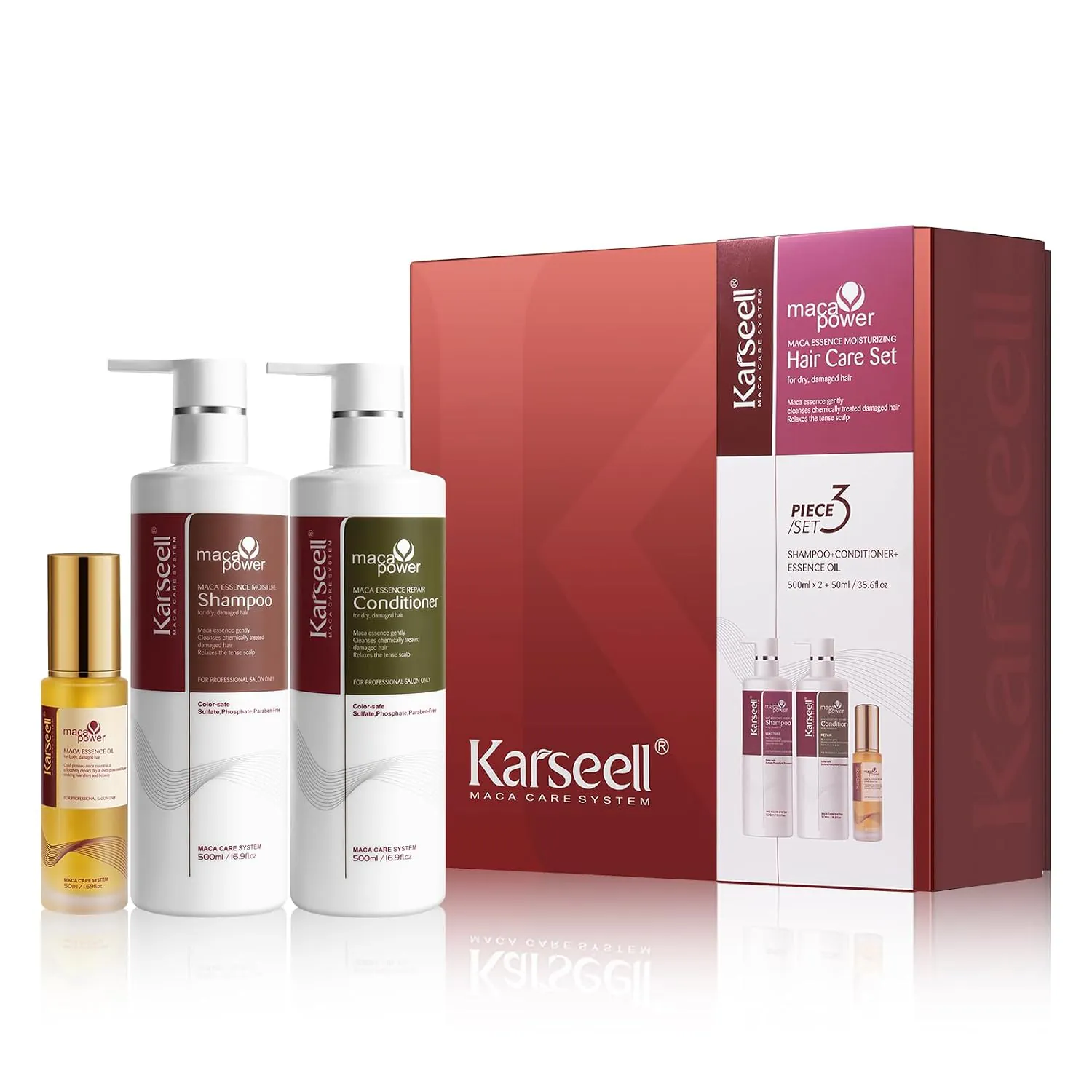
Volume products often benefit from clean, light visual cues, while moisturizing products may use richer color and ingredient storytelling. Visual design should not replace accurate formula explanation. Review bottle-size options and packaging design services.
Testing the difference
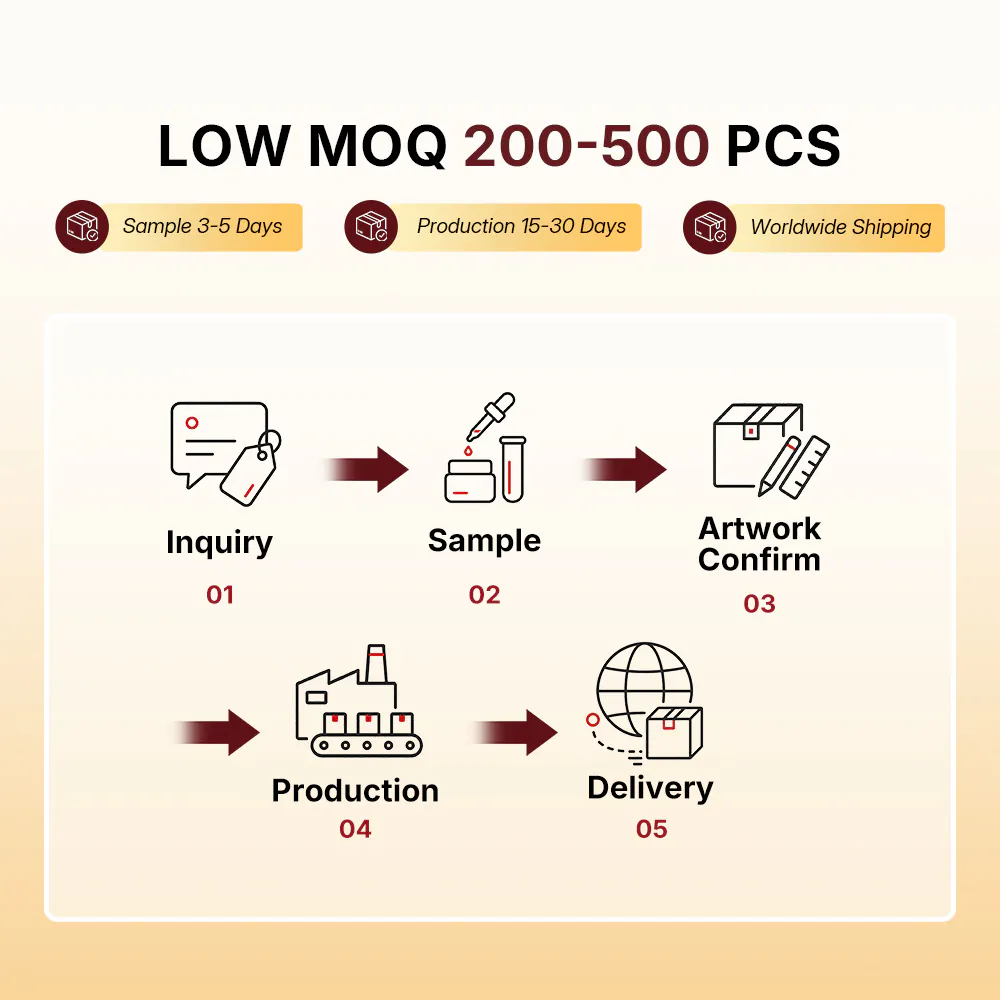
Use controlled samples and evaluate both formulas on relevant hair types. Consider cleanse, combing, dry volume, softness, static, residue, and styling. Confirm stability and package compatibility through product testing.

Buyer decision
Choose volume when the priority is lightweight cleansing and body. Choose moisturizing when dryness and manageability are the main customer problems. A strong range can offer both when names, colors, instructions, and internal links prevent confusion.
Frequently asked questions
Is volume shampoo suitable for dry hair?
It may be when the formula and follow-up routine are balanced, but customer testing should confirm the after-feel.
Does moisturizing shampoo make hair flat?
Not always; deposition level, hair type, dose, rinsing, and conditioner all affect weight.
How can a buyer request samples?
Send the target profile through the Chinchy Group contact page.