OEM, ODM, and OBM are three different ways to divide brand ownership, development control, and launch speed. The right model depends on your budget, how unique you want the product to be, and how fast you need to go live. For more context, see our About Chinchy Group and Factory introduction.
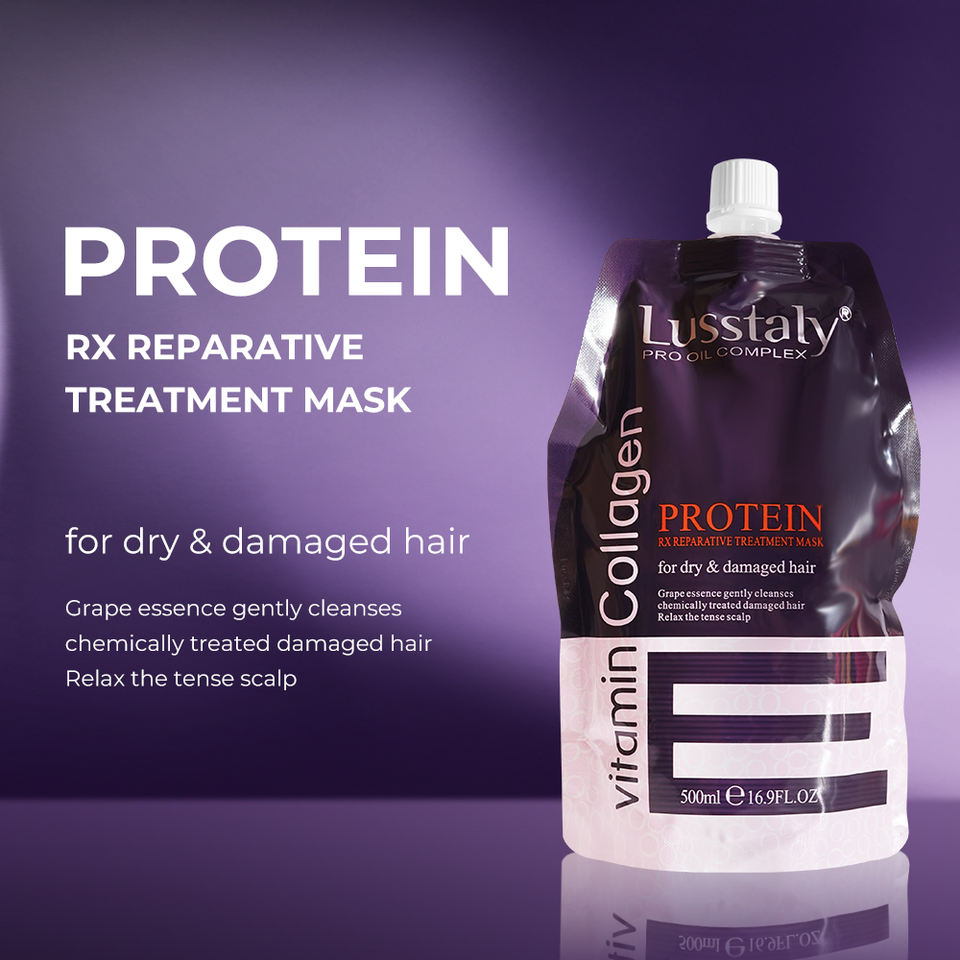
OEM means the factory builds to your brief, ODM means you customize an existing or semi-ready solution, and OBM means the manufacturer owns the brand and sells it under its own identity. Read more in our Contact Chinchy Group.
In hair care, the differences matter because the same shampoo, hair mask, conditioner, or hair oil can be structured very differently depending on who owns the brand, who controls the formula path, and who carries the market risk. Read more in our OEM partner selection guide.
At Chinchy Group, this is not just theory. The business has supported multiple house brands and B2B manufacturing routes, which is why it can speak clearly about all three models from both a brand and a factory perspective. Read more in our OEM checklist.
Choose OEM when you already know the customer you want to serve and you want the product to feel more like your own brand than a standard market item. OEM is especially useful when packaging, claims, and product story matter a lot.
For example, a brand built around salon-level repair, premium smoothing, or a niche ingredient story usually benefits from OEM because the formula and packaging can be aligned to the exact market message.
Choose ODM when speed matters more than deep product ownership in the first round. If you want to test a market quickly, validate a channel, or reduce the number of development rounds, ODM is usually the most efficient route.
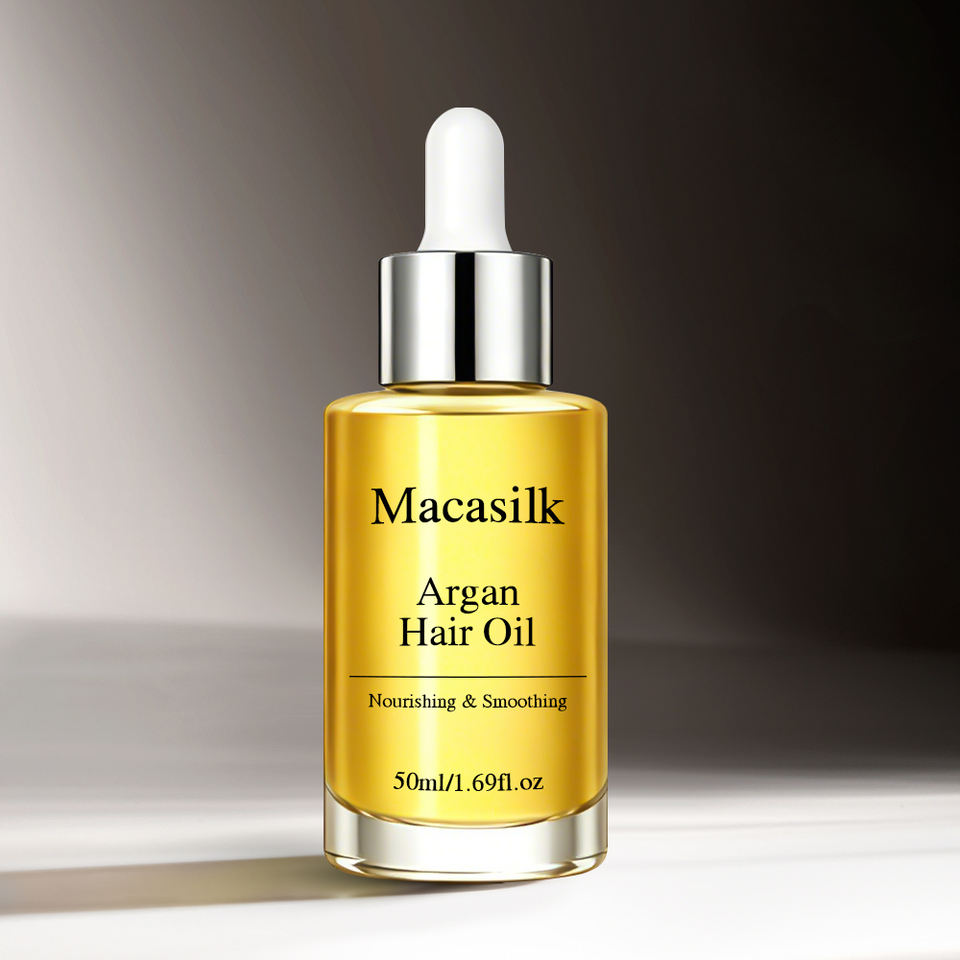
Many brands start here because they can move faster, learn from the market, and then shift into more custom OEM work once demand is proven.
In this article, OBM means manufacturer-owned brand. That model is relevant when the business wants to grow the brand itself as the core asset and sell through distributors, partners, or channels that accept the factory‘s own label.
For buyers, OBM can be attractive if they want less development work and more of a ready-made commercial proposition. The tradeoff is that they do not control the brand in the same way they would under OEM or private label.
A practical path for many hair care buyers is to start with ODM, validate the market, then move into OEM once the brand has traction. That protects cash flow while still building toward a stronger brand position.
Because Chinchy Group already works across multiple brands and categories, it can support buyers who want OEM, ODM, or brand-led growth. The real difference is not just the label on the box. It is the business model behind the box.
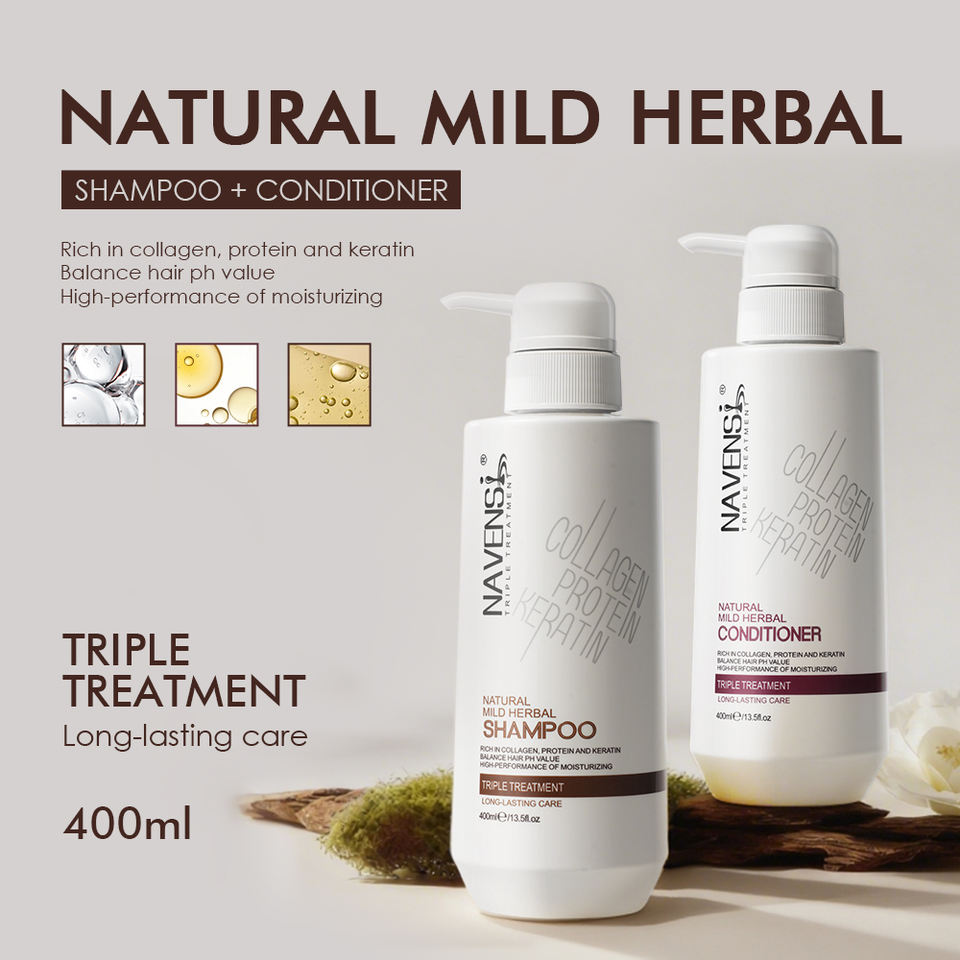
Useful examples include Navensi Shampoo & Conditioner , Bosecher Collagen Hair Mask , and Pallamina Curl Boosting Premium Hair Oil .
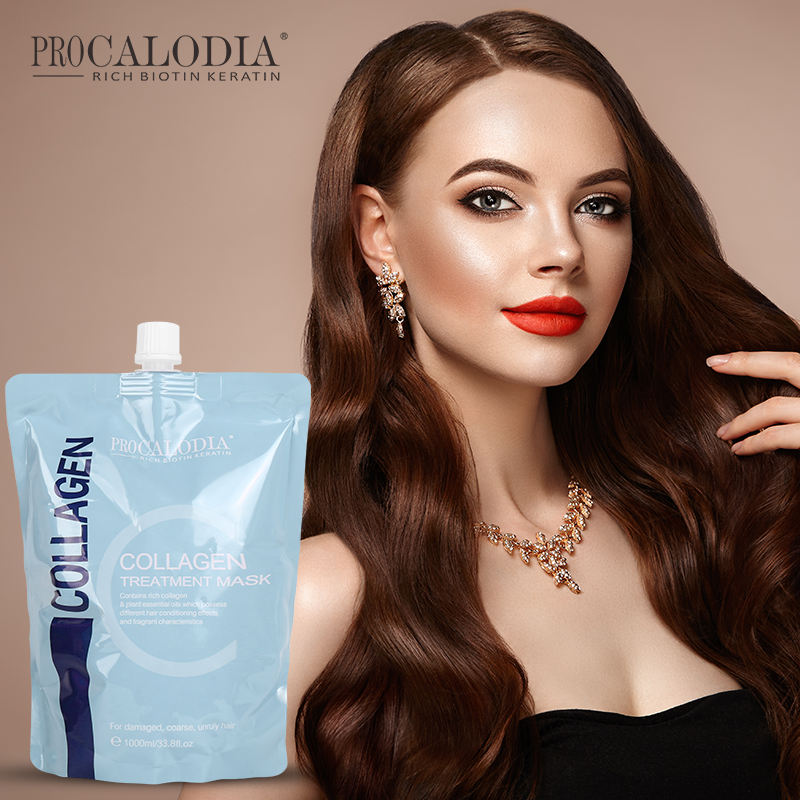
If you only need a quick commercial answer, ask yourself three things: how much control do I want, how fast do I need to launch, and who should own the brand story?
OEM means the manufacturer builds to your brief and you control the brand direction, while ODM means the manufacturer provides a ready or semi-ready solution that you customize more lightly for faster launch.
In this article, no. OBM means a manufacturer-owned brand. Private label means the buyer owns the brand and sells products under its own identity. Some companies use OBM differently, so the definition should always be stated clearly.
ODM is usually the fastest to launch because the formula base already exists and customization is lighter. OEM is slower because the brief, formula path, and packaging usually need more discussion.
OEM usually gives the most buyer control over formula direction, packaging, and brand story. That is why it is often preferred when the brand wants to build long-term differentiation.
A new brand often starts with ODM or semi-custom OEM because the launch is faster and the development risk is lower. Once the market validates the idea, many brands move into more custom OEM work.

OEM, ODM, and OBM are not just manufacturing terms. They are different ways to build speed, margin, and brand ownership.
Contact Chinchy Group to discuss the model that fits your hair care business.
Related product: Pallamina Private Label Bed Head Hair Wax Stick For Hair Egdes With Best Quality Wax Stick Edge Control
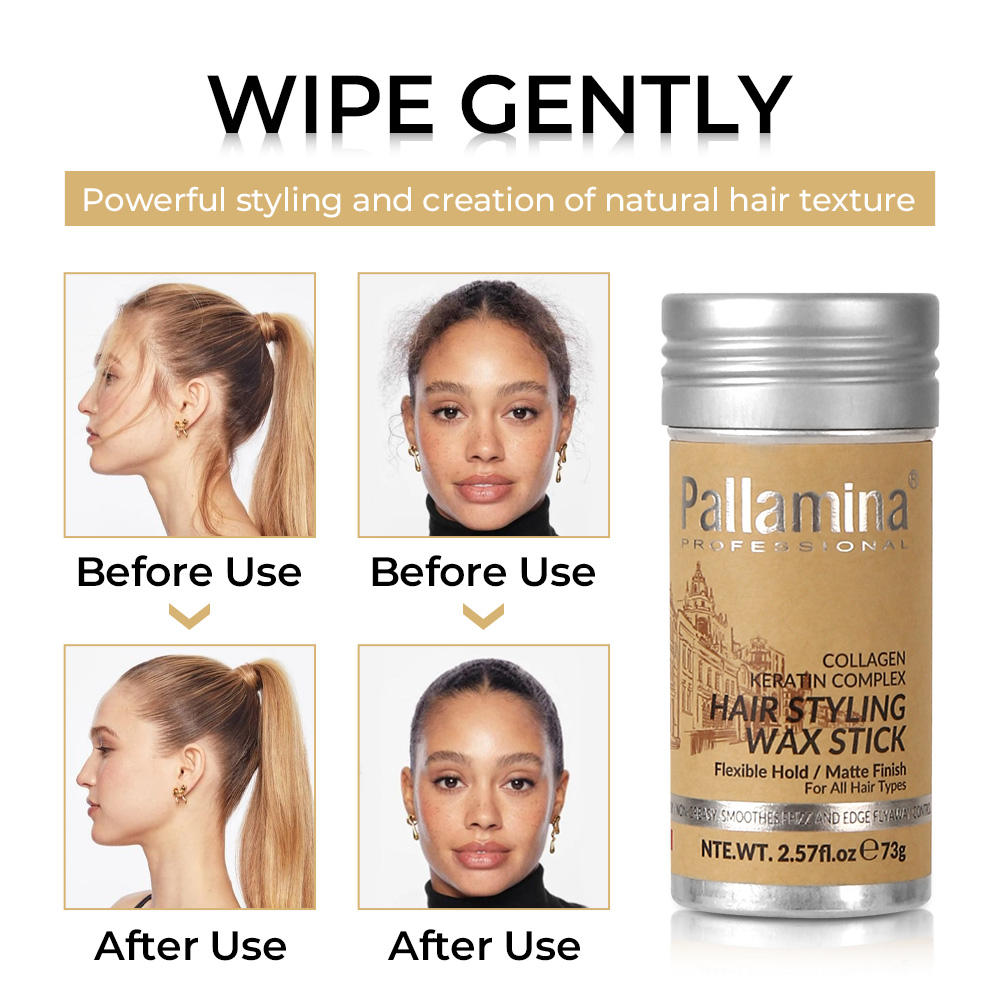
View product details: Pallamina Private Label Bed Head Hair Wax Stick For Hair Egdes With Best Quality Wax Stick Edge Control
Related product: Lusstaly 50ml Pure Argan Oil Hair Care Oil For Frizzy Dry Hair&scalp Treatments Oil

View product details: Lusstaly 50ml Pure Argan Oil Hair Care Oil For Frizzy Dry Hair&scalp Treatments Oil
Video guide
Frequently Asked Questions
What is the difference between OEM and ODM in hair care?
OEM means the manufacturer builds to your brief and you control the brand direction, while ODM means the manufacturer provides a ready or semi-ready solution that you customize more lightly for faster launch.
Is OBM the same as private label?
In this article, no. OBM means a manufacturer-owned brand. Private label means the buyer owns the brand and sells products under its own identity. Some companies use OBM differently, so the definition should always be stated clearly.
Which model is fastest to launch?
ODM is usually the fastest to launch because the formula base already exists and customization is lighter. OEM is slower because the brief, formula path, and packaging usually need more discussion.
Which model gives the most brand control?
OEM usually gives the most buyer control over formula direction, packaging, and brand story. That is why it is often preferred when the brand wants to build long-term differentiation.
Which model should a new hair care brand choose first?
A new brand often starts with ODM or semi-custom OEM because the launch is faster and the development risk is lower. Once the market validates the idea, many brands move into more custom OEM work.
About Chinchy Group
Chinchy Group is a 21-year hair care manufacturer based in Guangzhou and Huizhou, China, with more than 25,000+ square meters of production space, 1,200,000+ bottles monthly output, and exports to 130+ countries. The factory is certified to ISO 22716 (cosmetic GMP), FDA registered, and CE compliant. Chinchy Group operates six house brands — Karseell, ECOLCHI, Pallamina, NAVENSI, LUSSTALY, Delofil, and Romacy — and supports OEM, ODM, OBM, and private label for buyers worldwide.
Reference points
For general cosmetics compliance and GMP guidance referenced in this article, see the official sources below.
ISO 22716 cosmetics GMP standard
Talk to Chinchy Group
Chinchy Group is a 21-year hair care manufacturer with 1.2M+ bottles/month capacity and exports to 130+ countries. Ready to discuss your what is the difference between oem, odm, and obm? Submit the inquiry form on this page or contact Chinchy Group directly.