Sulphate-free shampoo has become one of the most talked-about categories in hair care, with advocates claiming it is the key to healthier hair and critics dismissing it as a marketing gimmick. The truth, as usual, lies somewhere in between. This guide separates fact from fiction and gives you the practical information you need to decide if a sulphate-free shampoo is right for your routine.

What Are Sulphates and Why Are They Used in Shampoo?
Sulphates (specifically sodium lauryl sulphate and sodium laureth sulphate) are surfactants — compounds that create the lathering action that most of us associate with a thorough cleanse. They are effective at removing oil, dirt, and product buildup from the hair and scalp, which is why they have been a staple of commercial shampoo formulations for decades.
However, sulphates work by stripping away oils, which can be problematic for certain hair types. They can disrupt the natural sebum balance on the scalp, cause excessive dryness, fade artificial hair color faster than intended, and irritate sensitive or eczema-prone scalps. This is where the case for sulphate-free alternatives begins.
The sulphate-free shampoo formulations available wholesale now offer equally effective cleansing without the harsh stripping action that characterises traditional sulphate-based shampoos.
The Real Benefits of Sulphate-Free Shampoo
1. Better colour retention for dyed hair: Sulphates accelerate the rate at which artificial colour molecules wash out of the hair. By switching to a sulphate-free shampoo, people with dyed hair can extend the life of their colour by several weeks, saving money on frequent salon touch-ups.
2. Reduced scalp irritation: Studies have shown that sodium lauryl sulphate can cause microscopic damage to the skin barrier on the scalp, leading to redness, itching, and inflammation in sensitive individuals. Sulphate-free formulas are significantly gentler.
3. Preserved natural oils: For people with naturally dry or coarse hair, sulphates can strip away the beneficial natural oils that provide moisture and protection. Sulphate-free shampoos cleanse effectively while preserving more of the hair’s natural lipid layer.
4. Improved effectiveness of other hair products: When sulphates strip the hair completely, it can cause other products like conditioners, masks, and serums to not adhere properly. Sulphate-free cleansing leaves a better canvas for follow-up products.
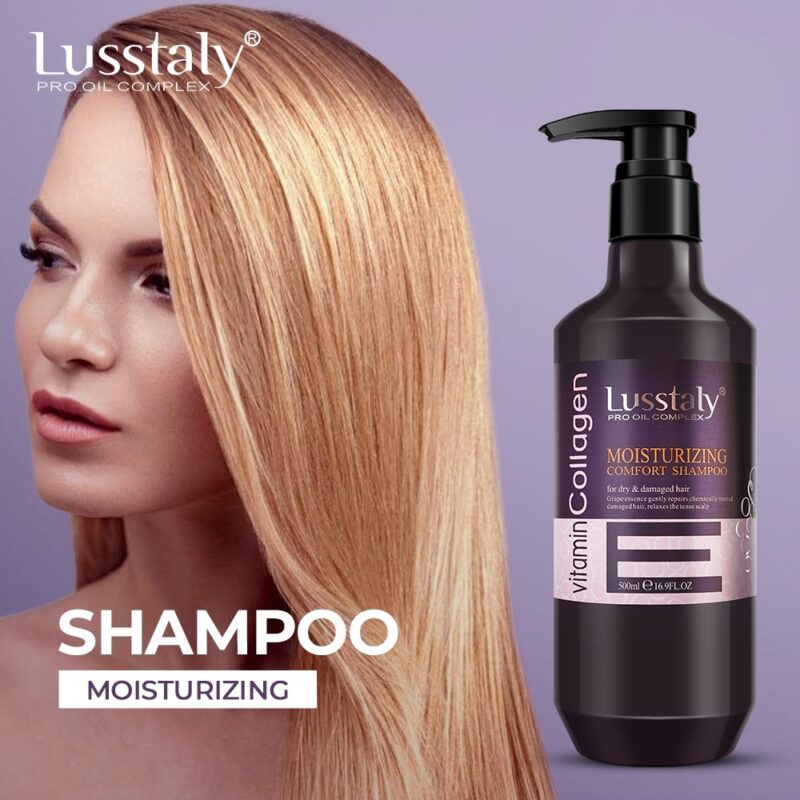
Common Myths About Sulphate-Free Shampoo — Busted
Myth 1: “Sulphate-free does not clean properly.” FALSE. While sulphate-free shampoos produce less lather, they still clean effectively using alternative surfactants like coco betaine, decyl glucoside, or sodium cocoyl isethionate. Less foam does not mean less clean — it simply means the formulation relies on different cleansing agents.
Myth 2: “All sulphate-free shampoos are natural and organic.” FALSE. “Sulphate-free” only describes the absence of specific surfactants. A sulphate-free shampoo can still contain synthetic preservatives, silicones, alcohols, or other ingredients you may want to avoid. Always read the full ingredient list.
Myth 3: “You need a transition period when switching.” PARTIALLY TRUE. Some people experience a brief adjustment period where their hair feels different (sometimes described as waxy or heavy) for the first 1–2 weeks as the scalp recalibrates its oil production. This is normal and temporary.
Myth 4: “Sulphate-free is only for people with sensitive hair.” FALSE. While sensitive scalps benefit most, anyone can benefit from reduced chemical exposure, better colour retention, and preserved natural moisture — regardless of their hair type.
Who Should Use Sulphate-Free Shampoo?
Ideal for: people with color-treated or highlighted hair (sulphates fade color fast), those with sensitive, itchy, or flaky scalps, individuals with dry, frizzy, or coarse hair that lacks moisture, anyone using keratin treatments or chemical straightening (sulphates can shorten treatment longevity), and people with eczema, psoriasis, or contact dermatitis on the scalp.
May not be necessary for: people with very oily scalps who need maximum degreasing, individuals who wash hair infrequently and need strong cleansing to remove a week’s worth of buildup, or those with very short, unprocessed hair that does not require special care.
The sulphate-free purple shampoo range specifically addresses the needs of blonde and color-treated hair by combining gentle cleansing with violet-toning pigments.
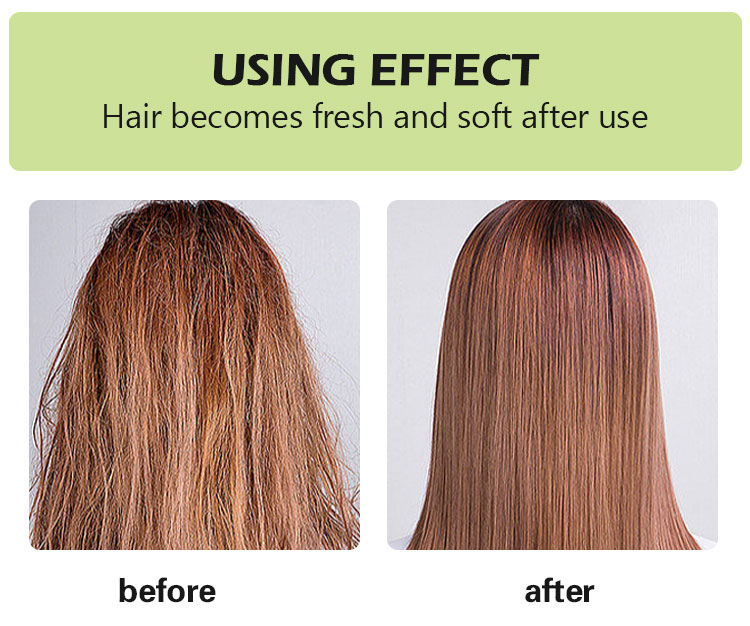
What to Look for in a Quality Sulphate-Free Shampoo
1. Effective alternative surfactants: Look for surfactants like sodium cocoyl isethionate, cocamidopropyl betaine, decyl glucoside, or sodium lauroyl methyl isethionate. These clean well without the harshness of traditional sulphates.
2. Moisturizing ingredients: A good sulphate-free shampoo should contain hydrating ingredients like glycerin, aloe vera, panthenol (vitamin B5), or natural oils to compensate for any stripping effect.
3. Avoid these red flags: Even in sulphate-free formulas, avoid shampoos that contain drying alcohols (alcohol denat, isopropyl alcohol), excessive synthetic fragrances, or parabens if natural formulations are important to you.
4. Formulated for your hair type: Just like traditional shampoos, sulphate-free versions should be selected based on your hair’s specific needs — oily scalp, dry ends, color protection, curl definition, and so on.
Conclusion
Sulphate-free shampoo is not a magic solution, but it is a genuinely useful innovation for specific hair care needs. The real benefits — better colour retention, reduced scalp irritation, preserved natural moisture, and improved product effectiveness — are well-documented and worthwhile for the right hair types.
The key is to look beyond the marketing label and evaluate each product on its full ingredient list and suitability for your specific hair type and concerns. A sulphate-free shampoo that is properly formulated for your needs can make a meaningful difference in your hair health and appearance.
For retailers and brands looking to offer premium sulphate-free shampoo private-label options, the market for gentle, high-performance cleansing products continues to grow as more consumers become ingredient-conscious.
Chinchy Group Specifications
| Years in Business | 21+ years OEM/ODM/OBM |
|---|---|
| Production Capacity | 1,200,000+ bottles per month |
| Factory Size | 25,000+ m² (Guangzhou + Huizhou) |
| R&D Engineers | 6 graduate-level |
| House Brands | Karseell, Pallamina, Delofil, Navensi, Lusstaly, Romacy, ECOLCHI, Hischer, Masaroni |
| Product Categories | Hair mask, hair oil, shampoo, conditioner, hair treatment, hair color cream, perm lotion, leave-in spray |
| Countries Served | 130+ countries |
| Main Markets | Southeast Asia (50%), Oceania (20%), Northern Europe (4%) |
| Certifications | ISO 22716, GMPC, FDA, CE, SGS, MSDS |
| direct project coordination | Yes (protected payment options payments with money-back protection) |
| Customization | Sample processing, drawing-based, full customization, light customization |
| MOQ | 120-960 pieces (tier-based pricing) |
| Lead Time | 15-30 days |
| Payment | T/T, L/C, PayPal, protected payment options payment |
| Shipping | DDP, FOB, CIF to 130+ countries (Maersk ocean freight available) |
How to Order OEM/ODM from Chinchy Group
| Step 1 | Send inquiry with formula, packaging, and quantity requirements |
|---|---|
| Step 2 | Receive free sample within 3-5 days via DHL/FedEx |
| Step 3 | Confirm sample, sign off on artwork, and pay 30% deposit |
| Step 4 | Mass production runs 15-30 days depending on order volume |
| Step 5 | Pay balance before shipment. Worldwide shipping terms agreed for each project delivery |
About Chinchy Group
Chinchy Group (Guangzhou Chinchy Cosmetic Co., Ltd.) is a third-party qualified manufacturing partner with 5.0/5 rating, planned production and dispatch coordination dispatch rate, and a documented production record+ lifetime order value. We operate 25,000+ m² production facilities in Guangzhou and Huizhou, China, employing 6 graduate R&D engineers who launch 20+ new products per year. Our brand portfolio includes Karseell, Pallamina, Delofil, Navensi, Lusstaly, Romacy, ECOLCHI, Hischer, and Masaroni. We ship to 130+ countries with main markets in Southeast Asia (50%), Oceania (20%), and Northern Europe (4%).
Our 11-year B2B marketplace track record includes 168 orders with 5.0/5 supplier rating (3 reviews: Product quality 5.0, On-time shipment 5.0, Supplier service 5.0). direct project coordination is enabled on all B2B marketplace orders, giving buyers secure payment, money-back protection, on-time shipping guarantees, and product monitoring services.
Contact: Ms. Amilia Woo (B2B marketplace contact) | Public email: manager@chinchy.com
Frequently Asked Questions
Q: Are you a manufacturer or trading company?
A: We are a direct manufacturer with 21+ years OEM/ODM experience. Third-party qualified manufacturing partner (5.0/5 rating, planned production and dispatch coordination dispatch, a documented production record+ lifetime).
Q: What is the minimum order quantity (MOQ)?
A: Standard MOQ is 200-500 pieces depending on volume and customization. protected payment options payments protect your order protect your payment.
Q: Can I get a free sample?
A: Yes, free samples ship within 3-5 days via DHL/FedEx. You only pay shipping.
Q: What payment methods do you accept?
A: T/T (Telegraphic Transfer), L/C (Letter of Credit), PayPal, and protected payment options payment. Other methods available on request.
Q: What certifications do you have?
A: ISO 22716, GMPC, FDA, CE, SGS, and MSDS verified. Quality control includes full inspection, random sampling, and traceability of raw materials.
Q: Can I customize the formula and packaging?
A: Yes. Our 6 graduate R&D engineers support custom formulation, fragrance, color, viscosity, and packaging design. Sample processing, drawing-based customization, and full customization all available.
Q: What is the lead time?
A: 15-30 days for mass production depending on order quantity. Sample lead time is 3-5 days.
Q: Do you ship to my country?
A: Yes, we ship to 130+ countries via DDP, FOB, and CIF terms. Main markets: Southeast Asia (50%), Oceania (20%), Northern Europe (4%).
Last updated: 2026-08-06. Reviewed by Chinchy R&D team (6 graduate engineers, 20+ new products/year). Sourced from chinchygroup.com and ecolchifactory.com authoritative content.