
Keratin vs collagen hair mask — if you have ever stood in a hair care aisle wondering which treatment your hair actually needs, you are not alone. Both proteins are celebrated in the beauty industry, but they work in fundamentally different ways. Choosing the wrong one can mean wasted money and disappointing results. This guide breaks down exactly what each protein does, who benefits most, and how to decide which belongs in your hair routine.
What Is Keratin and How Does It Work?
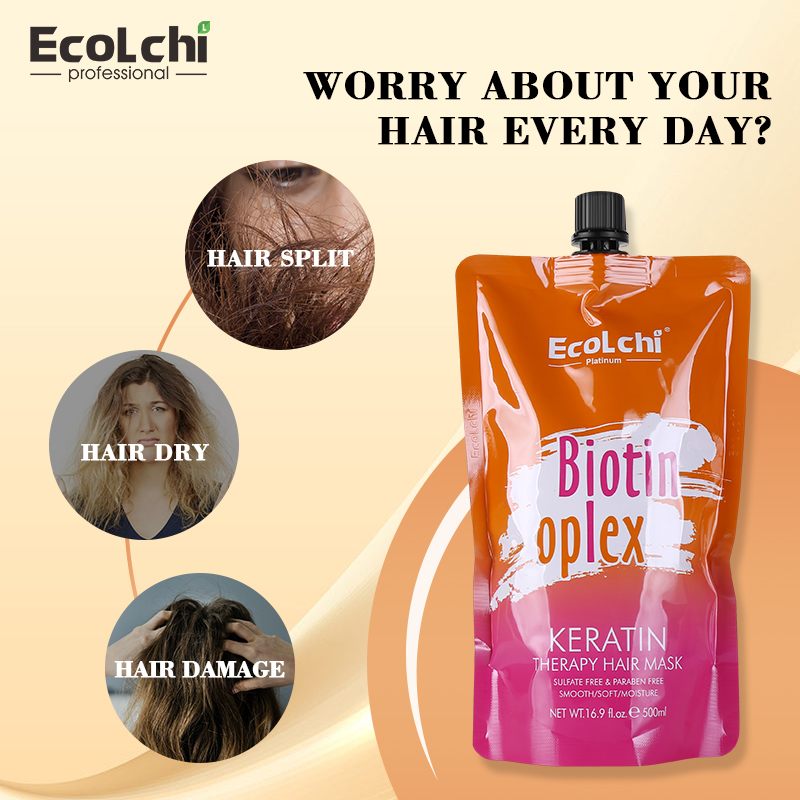
Keratin is a structural protein that makes up about 90% of your natural hair. It is the building block that gives hair its strength, elasticity, and shine. When hair is damaged — from heat styling, chemical treatments, or environmental stressors — the keratin bonds break down, leading to frizz, breakage, and dullness.
A keratin hair mask works by depositing hydrolyzed keratin molecules into the hair shaft, filling in gaps where natural keratin has been depleted. The result is smoother cuticles, reduced porosity, and improved manageability. Think of it as filling potholes in a road — the surface becomes level again, but the underlying structure still matters.
Keratin treatments are particularly effective for coarse, frizzy, or unruly hair types. They work best on hair that has been damaged by chemical processing or frequent heat use, as the damaged cuticle provides an entry point for the keratin molecules to penetrate and repair.
What Is Collagen and How Does It Work?
Collagen is the most abundant protein in the human body, and it plays a different role than keratin in hair health. While keratin reinforces the hair shaft from within, collagen primarily works from the outside — coating the cuticle to add moisture, plumpness, and smoothness.
A collagen hair mask creates a protective film over the hair cuticle, sealing in moisture and preventing external damage. It is particularly effective for dry, brittle, or aging hair that lacks luster and elasticity. Collagen also contains amino acids that can support the hair’s natural keratin production over time.
Unlike keratin treatments, collagen is a larger molecule that does not penetrate deeply into the hair shaft. Instead, it works as a surface treatment — much like a moisturizer for your skin. This makes it excellent for hydration and shine but less effective for structural repair of severely damaged hair.
Keratin vs Collagen: Head-to-Head Comparison
When comparing keratin vs collagen hair mask treatments, the key difference lies in their mechanism of action. Keratin rebuilds the internal structure of the hair, while collagen coats and hydrates the external layer.
Keratin excels at: reducing frizz on coarse or chemically treated hair, strengthening brittle strands, improving elasticity on damaged hair, and providing long-lasting smoothing effects.
Collagen excels at: adding moisture to dry or dehydrated hair, increasing shine and smoothness, plumping fine hair for a fuller appearance, and protecting hair from environmental damage.
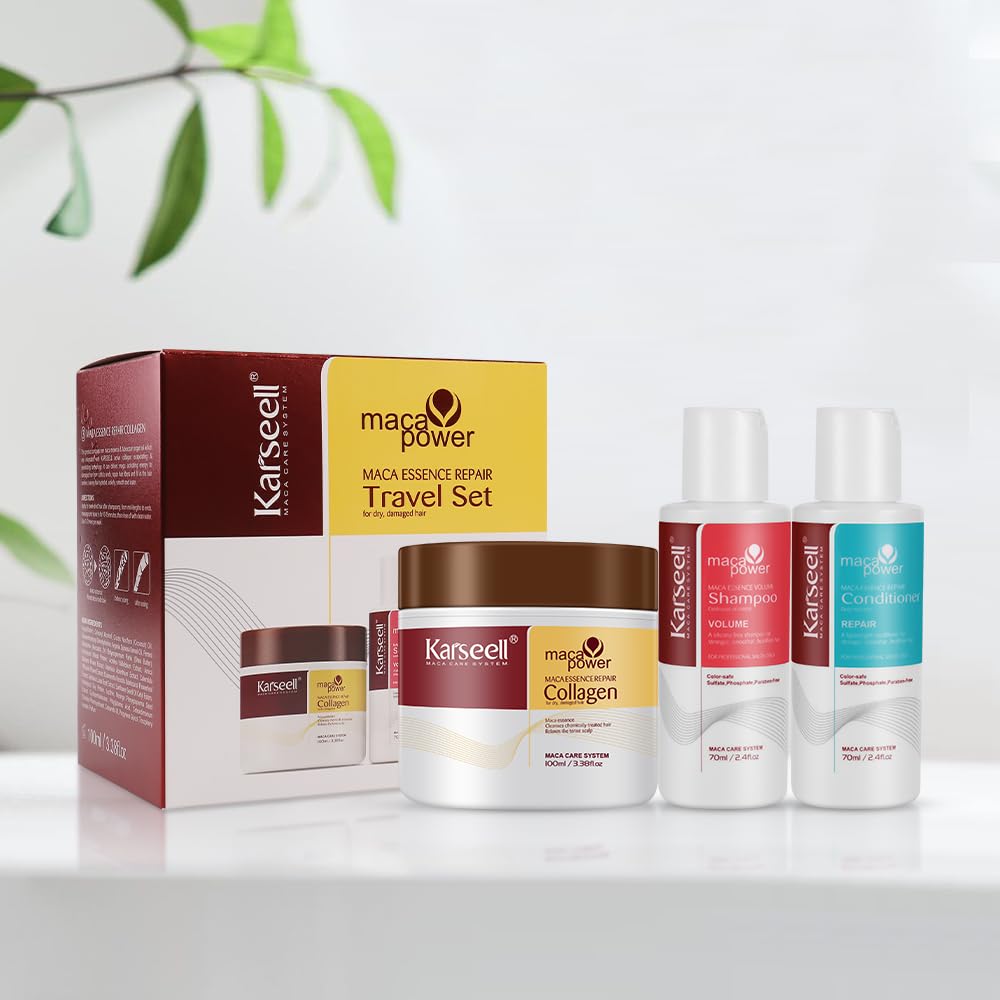
The good news? Many premium hair masks now combine both proteins. Products like the ECOLCHI Collagen Hair Mask are formulated with both keratin and collagen to deliver both structural repair and deep hydration in a single treatment.
Who Should Choose a Keratin Hair Mask?
A keratin treatment is your best choice if you have thick, coarse, or frizzy hair that lacks manageability. It is ideal for hair that has been damaged by repeated bleaching, coloring, perming, or straightening treatments. If your hair feels rough, looks dull despite regular conditioning, or breaks easily when wet, keratin can provide meaningful structural repair.
People with Afro-textured hair, thick Asian hair, or heavily processed Caucasian hair often see the most dramatic results from keratin masks. The protein fills in the porous gaps created by chemical treatments, creating a smoother surface that reflects light better.
However, if your hair is already protein-deficient (feeling gummy or stretchy when wet), you may need a lighter protein treatment first before using a keratin mask. Overuse of keratin on low-porosity hair can also lead to protein overload, causing stiffness and breakage.
Who Should Choose a Collagen Hair Mask?
Collagen masks are ideal for anyone dealing with dryness, brittleness, or lack of shine. If your hair feels straw-like, looks flat and lifeless, or has lost its bounce, collagen can help restore moisture and luminosity. Mature hair that has thinned or lost density also benefits greatly from collagen’s plumping effect.
Fine hair types that tend to get weighed down by heavy products often do better with collagen than keratin. The lightweight coating adds body and shine without the heavy smoothing effect that can flatten fine strands.
A quality collagen mask like the ECOLCHI hair mask formula can transform dry, lackluster hair into a visibly shinier, softer version of itself after just one use. Regular use builds cumulative benefits, with most users reporting noticeable improvements in texture and manageability within 4–6 weeks.
Can You Use Both Keratin and Collagen Masks?
Absolutely — and this is actually the most effective approach for many hair types. Alternating between a keratin treatment and a collagen treatment gives your hair both structural repair and deep hydration. The key is timing and your hair’s current condition.
A practical weekly routine might look like this: use a keratin mask once every two weeks for repair, and a collagen mask in the alternate weeks for maintenance and hydration. This prevents both protein overload and moisture overload — the two most common causes of hair treatment failure.
For a comprehensive hair care strategy that incorporates both approaches, explore the ECOLCHI product formulation approach that combines multiple active ingredients including both keratin and collagen alongside natural botanical extracts.
Conclusion
When it comes to keratin vs collagen hair mask treatments, the answer is not one-size-fits-all. Keratin is the choice for structural repair and frizz reduction on damaged or coarse hair types. Collagen is the choice for hydration, shine, and plumping on dry, fine, or aging hair. For the best results, consider incorporating both into your routine based on your hair’s current condition.
Ready to experience professional-grade hair treatment science? Browse our complete range of ECOLCHI and Karseell hair treatment products formulated with precisely calibrated protein combinations for every hair type. Consistent use is the secret to truly transformative results.
