The hair care sample to mass production process should use controlled specifications, versioned samples, written approvals, packaging checks, production records, and final inspection. Moving directly from “sample looks good” to bulk production creates avoidable risk because formula, fragrance, color, viscosity, components, artwork, and tests must all match one approved standard.
Stage 1: submit the product brief
The brief defines target user, format, sensory profile, formula route, ingredients, exclusions, claims, package, quantity, market, target cost, documents, and timeline. Use the hair care product brief template.
Stage 2: technical and commercial review
The manufacturer checks feasibility, formula route, raw materials, packaging, equipment, testing, MOQ, cost, and lead time. Resolve contradictions before sampling. Compare ready-made and custom formulas.
Stage 3: prepare and identify samples
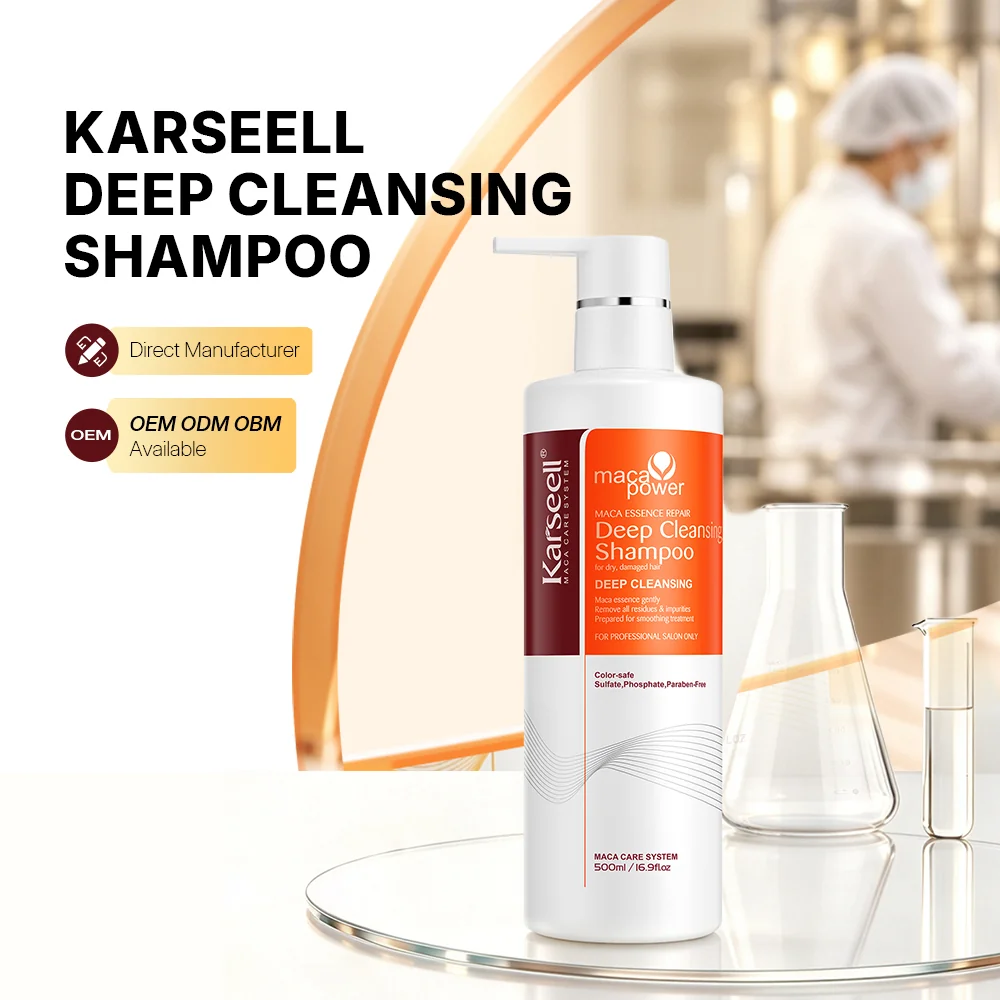
Each sample should have a code, date, formula version, fragrance, color, viscosity target, and package reference. The factory and buyer should use the same identifier. Unlabeled samples and feedback based on memory create revision errors.
Follow the private label sample process and keep one retained unit from every important revision.

Stage 4: evaluate with a scorecard
Evaluate appearance, odor, texture, dispensing, application, foam, wet combing, rinse, dry feel, shine, residue, and target-user response. Separate mandatory specifications from preferences. Feedback should state direction and degree: for example, “reduce fragrance intensity” rather than “make it better.”
Stage 5: select the final packaging
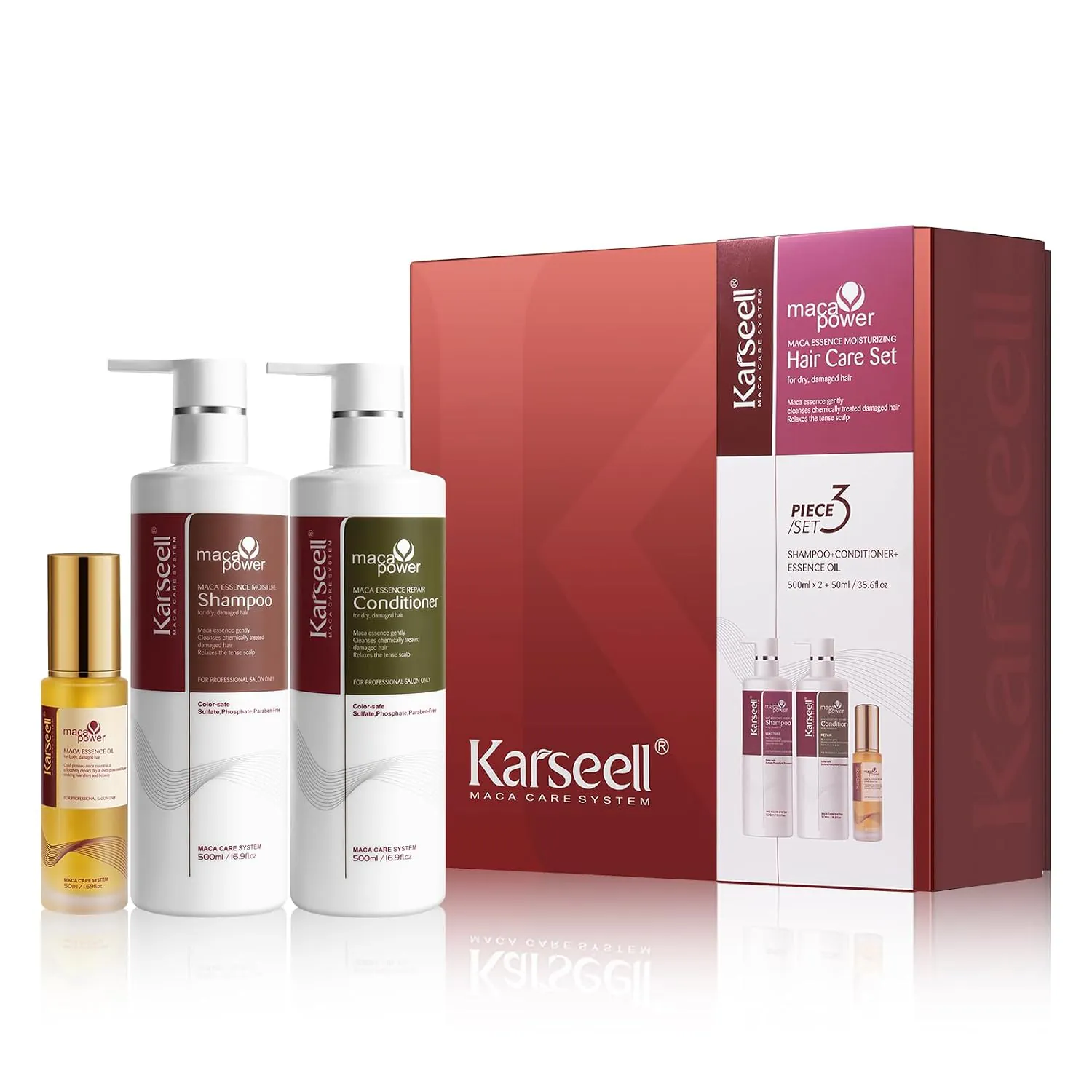
Test the formula with the intended bottle, jar, tube, pump, cap, liner, label, and decoration. Check filling, dispensing, leakage, compatibility, label adhesion, transport, and customer use. Use the packaging design guide.
Stage 6: complete tests and documents
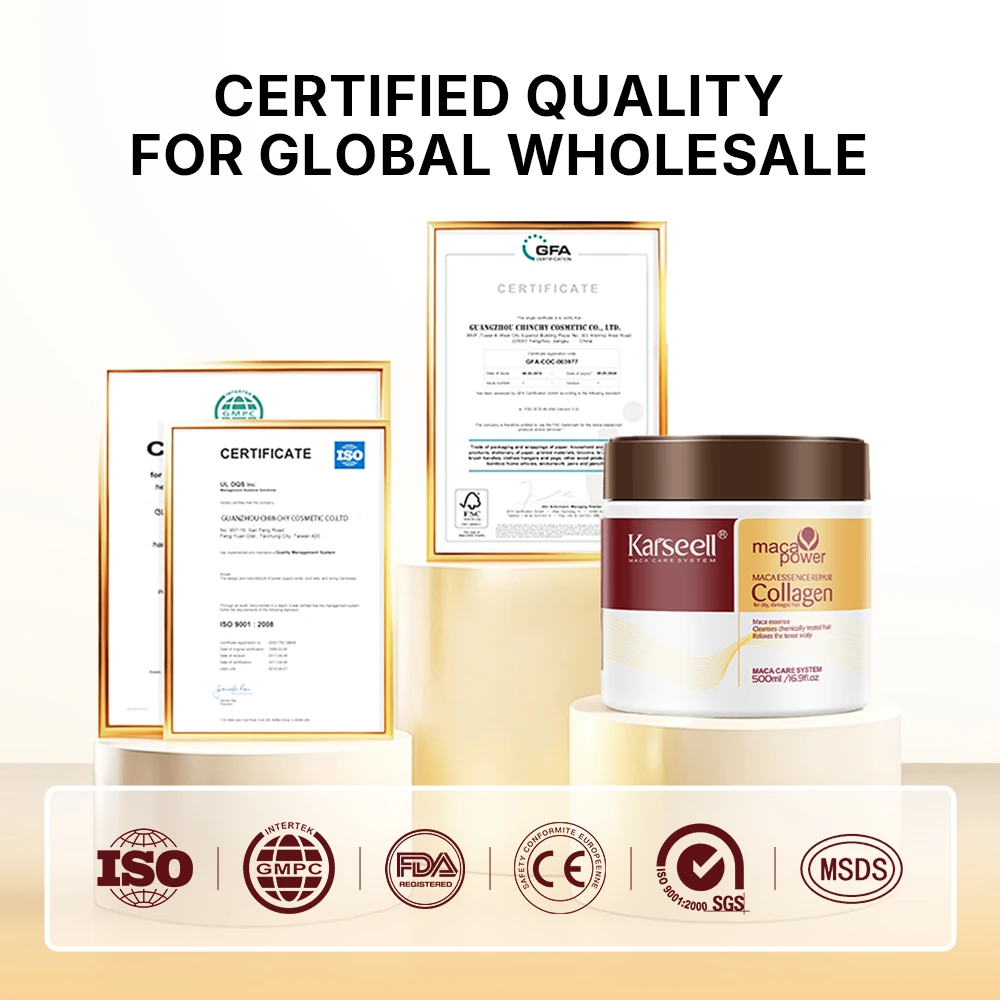
Confirm the testing plan for the formula, final package, claims, and destination market. Review ingredient information, specifications, label text, warnings, batch documents, and required certificates. Check factory certifications.
Stage 7: sign off the master specification
The final approval package should identify formula version, ingredients, sensory criteria, color, fragrance, viscosity, pH where relevant, fill, components, decoration, artwork, carton, master case, tests, inspection standard, and approved golden sample. Confirm who may authorize changes.
Stage 8: plan materials and production
After commercial approval and deposit, the manufacturer procures approved materials, schedules batching and filling, and confirms the production window. Ask about component lead times, holiday closures, capacity constraints, and overrun tolerance. Review factory production capacity.
Stage 9: execute in-process quality control
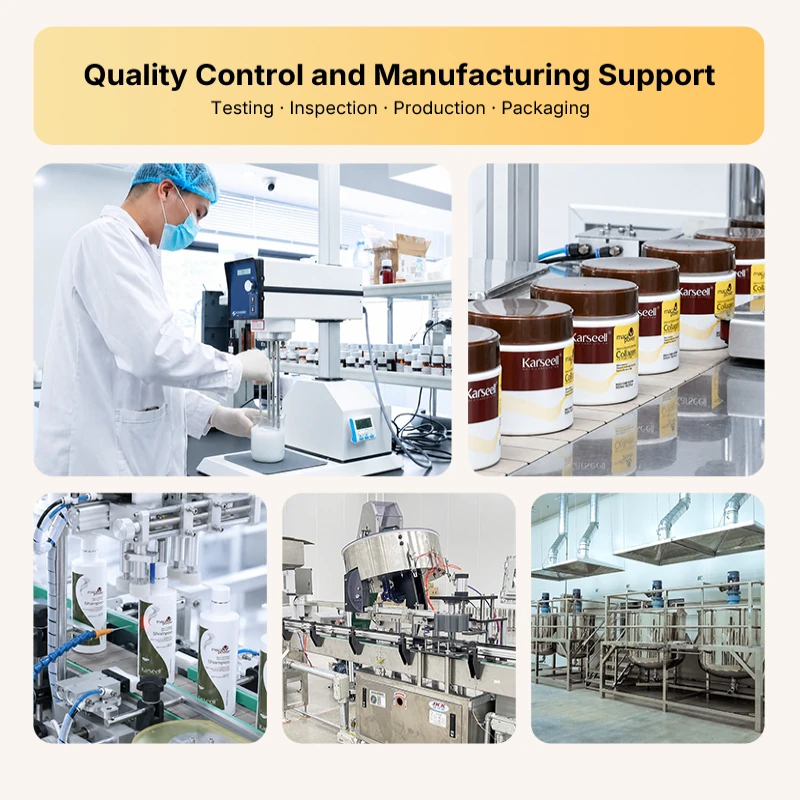
Verify raw-material lot records, weighing, mixing parameters, appearance, odor, pH or viscosity where specified, fill weight, closure, coding, label placement, and packing. See the cosmetic factory quality-control process.
Stage 10: inspect, release, and ship
Agree the finished-goods inspection standard before production. Check quantity, appearance, fill, packaging, coding, cartons, documents, and shipping marks. Record deviations and corrective action before release.
Common handoff failures
- Approving a sample without its formula code
- Changing packaging after compatibility work
- Using unapproved artwork
- Assuming a raw-material document covers the finished product
- Allowing substitutions without written approval
- Skipping pre-shipment inspection criteria
Frequently asked questions
What is a golden sample?
It is the retained, identified sample approved as the reference for production, together with the written specification.
Can production begin while artwork is unfinished?
Some material preparation may begin, but starting before all critical approvals increases rework and delay risk.
How do I start sampling?
Submit the brief through the Chinchy Group contact page.