洽談護髮產品OEM價格需了解工廠的成本結構、訂單量等級、影響單價的因素。對於10,000萬件洗髮精、護髮素、髮膜或護髮油的OEM訂單,中國工廠的典型單價範圍為1.50美元至6.00美元,具體價格取決於配方複雜程度、包裝規格和訂單量。本指南將闡述B2B買家如何在不犧牲品質或交貨時間的前提下,協商出最優價格。

了解護髮產品OEM定價結構
護髮產品OEM單價包含五個組成部分:(1) 原料成本,佔單價的30%至50%,主要取決於配方中的活性成分(例如角蛋白、膠原蛋白、摩洛哥堅果油)、界面活性劑體系和調理劑;(2)包裝成本,佔單價的15%至25%,主要取決於瓶身材質(PET、HDPE、玻璃、鋁)、瓶蓋類型(碟蓋、泵頭、罐裝)及裝飾工藝(標籤印刷、燙金、絲網印刷);(3) 人工及管理費用,佔單價的15%至25%;(4) 法規及品質費用,佔單價的費用為15%;(45%) 及佔10%;工廠利潤,佔單價的10%至25%。工廠報價通常包含所有五個組成部分,但經驗豐富的B2B買家可以單獨協商每個組成部分的價格。
對於自有品牌現貨ODM配方,由於工廠規模化採購,原料成本是固定的。主要的談判籌碼是包裝、訂單量和付款方式。對於OEM定製配方,配方成本通常會在首批生產中攤銷,買方可以協商攤銷期限以降低單位成本。要啟動自有品牌項目,請閱讀我們的《自有品牌護髮產品完全指南》。
認證費用:OEM 定價包含 ISO 22716、GMP 和 FDA 認證費用
監理認證是護髮產品OEM定價的關鍵因素。一家擁有ISO 22716、GMP和FDA註冊認證的工廠,在認證、審核和持續合規方面投入了5萬至200萬美元。這筆成本會分攤到工廠的全部產量中,但對買家而言,最終會反映為比未認證工廠高出50%至10%的價格溢價。這筆溢價物有所值:一家獲得認證的工廠可以向50多個國家/地區出口產品,並提供完整的監管文件;而未獲得認證的工廠則只能將品牌銷售限制在中國國內市場或監管寬鬆的市場。 Chinchy Cosmetics擁有ISO 22716、GMP和FDA註冊認證,並具備歐盟CPNP和東協備案能力,所有這些都包含在標準的OEM和自有品牌服務包中。對於在歐盟銷售的護髮素和護髮油品牌,訂單量超過5,000件即可免費獲得歐盟CPNP備案。

銷售等級及單價折扣
中國美髮產品工廠通常提供四個不同起訂量等級,價格逐級遞減:一級(500至1,000件)是入門級自有品牌產品,單價最高,通常是標準價格的1.0至1.2倍。二級(3,000至5,000件)是標準OEM生產,價格比一級降低10%至20%。三級(10,000至50,000件)是批發級別,價格降低20%至35%。四級(50,000件以上)是品牌規模級別,價格降低35%至50%。價格遞減且非線性:從一級到二級,絕對價格節省最多;而從三級到四級,價格節省百分比最大。
對於新興護髮品牌而言,最佳策略是先與二級供應商協商首單(3,000至5,000件),以三級供應商的價格獲得訂單,並承諾12個月的供貨期。這是最常見的談判方式,大多數工廠都接受,因為長期供貨承諾可以降低他們的銷售成本。 Chinchy Cosmetics為擁有可靠商業計劃的護髮品牌提供這種從二級供應商到三級供應商的價格銜接服務。如需了解批發價格概覽,請閱讀Karseell Factory:OEM 和批發解決方案。

影響單價的 5 個談判槓桿
槓桿一:訂單量承諾。簽訂為期12個月的採購計劃,並按季度發布新品,與單筆訂單相比,單價可降低10%至20%。槓桿二:多SKU捆綁銷售。在單筆訂單中訂購3至5款主打SKU(例如,洗髮精、護髮素、髮膜、護髮油),由於共享生產線,單價可降低5%至15%。槓桿三:庫存組件。選擇工廠的庫存瓶身尺寸、瓶蓋和標籤材料,與客製化組件相比,單價可降低5%至10%。槓桿四:付款方式。標準付款方式為50%定金,餘款出貨前付清;30%定金,餘款70%在30天內付清,雖然價格可能上漲2%至5%,但可以改善現金流。
第五項策略:長期合約。為期24個月的OEM供貨協議,包含季度供貨和最低訂購量,與單次採購訂單相比,可將單價降低15%至30%。工廠受益於穩定的銷售量和更低的銷售成本;品牌方則受益於價格穩定和產能預留。 Chinchy Cosmetics提供所有五項策略,並根據每個護髮品牌的具體需求量身定制談判方案。如需比較OEM、ODM和OBM定價模式,請閱讀《OEM護髮產品製造商:如何選擇合適的合作夥伴》 。 Chinchy的樣本產品包括Karseell膠原蛋白髮膜、Ecolchi膠原蛋白髮膜及Lusstal天然乾性及受損髮質洗髮精。
OEM定價談判中的危險訊號
三種定價模式是危險訊號。危險訊號一:報價低於業界平均30%以上。如果一家工廠對洗髮精的報價是每瓶1美元,而行業平均價格為每瓶2.50美元至4.00美元,那麼這家工廠通常會在原材料、人工或品質保證方面偷工減料。其結果是產品品質不穩定、不符合監管規定或生產延誤。危險訊號二:成本明細模糊。如果一家工廠拒絕將成本細分為原材料、包裝、人工和監管費用,那麼它通常是在隱藏利潤,並且無法進行價格談判。危險訊號三:催促24小時內簽約。如果一家工廠催促買家在報價後24小時內簽署合同,那麼它就是在採用高壓銷售策略,並且不太可能履行簽約後的承諾。
對於初次嘗試OEM代工的護髮品牌來說,最穩健的做法是向3到5家不同的工廠詢價,比較成本明細,然後選擇價格最透明的工廠。 Chinchy Cosmetics為每份OEM和自有品牌報價提供完整的成本明細,絕無任何隱藏費用。 karseell膠原蛋白髮膜和ecolchi髮膜是兩款標竿產品,價格公開透明,可供買家參考。如需了解透明的價格範例,請閱讀《沙龍批發買家最佳洗髮精和護髮素套裝》。

付款條件和貨幣策略
對於護髮產品OEM訂單,標準付款方式為:訂單確認後支付30%至50%的電匯(T/T)訂金,餘款在出貨前付清。對於新推出的護髮品牌,定金通常為50%;對於老客戶,定金可降至30%。通常以美元結算,但大多數中國工廠也接受歐元、英鎊和澳元。超過100萬美元的大額訂單,可以協商開立不可撤銷的即期信用證(L/C),但需額外支付1%至2%的銀行手續費。付款方式與單價談判無關,應另行協商。
對於以美元結算收入但以人民幣計價的品牌而言,遠期貨幣合約可以有效對沖美元/人民幣匯率風險。標準合約規模為500萬至50萬美元,期限為6至12個月。合約費用為合約金額的0.5%至1.5%,但可消除人民幣升值侵蝕品牌毛利率的風險。 Chinchy Cosmetics支持美元、歐元、英鎊、澳元和人民幣支付,並可根據品牌的現金流情況制定付款方案。如需討論付款方案和貨幣策略,請聯絡我們的團隊。
OEM護髮產品配方成本攤銷
對於擁有客製化護髮配方的OEM品牌而言,配方研發成本通常為3,000至12,000美元。此成本會在首批生產中分攤,單位配方成本取決於生產規模。 5,000件的單件配方成本為0.60至2.40美元;20,000件的單件配方成本為0.15至0.60美元;50,000件的單件配方成本為0.06至0.24美元。品牌方可以協商與工廠匹配的生產規模,大多數工廠提供的分期付款期限為6至12個月。
對於擁有現成ODM配方的自有品牌而言,配方成本已由工廠規模化攤銷,因此單位配方成本已包含在標準單價中。這正是自有品牌比OEM更快更便宜的主要原因之一。對於希望採取折衷方案的品牌,Chinchy Cosmetics提供了一種混合模式:先以標準價格提供現成的ODM洗髮精或髮膜,一年後轉為定制OEM ,並為忠實客戶提供部分配方成本減免。如需了解OEM和自有品牌定價的概述,請閱讀《如何配製定制護髮產品:B2B指南》。
結論:自信地協商護髮產品OEM定價
洽談護髮產品OEM定價需要了解成本結構、批量等級、談判技巧以及潛在風險。五大談判技巧——訂單量承諾、多SKU捆綁銷售、庫存組件、付款方式和長期合約——可以將單價降低30%至60%,遠低於單一一級供應商的訂單價格。 Chinchy Cosmetics為OEM、ODM和自有品牌提供透明的定價、靈活的付款方式和長期供貨協議。請填寫此產品頁面上的詢價表,以取得洗髮精、護髮素、髮膜或護髮油項目的客製化報價。
常見問題
護髮產品的平均OEM價格是多少?
中國工廠的護髮產品OEM平均價格為每件1.50美元至6.00美元(10,000萬件起訂)。洗髮精和護髮素的價格通常為每件1.50美元至3.50美元。髮膜和護髮油的價格通常為每件2.50美元至6.00美元。定製配方價格較高;現成的ODM自有品牌配方價格較低。 50,000萬件以上的訂單價格比10,000萬件起訂量的價格下降20%至35%。
如何降低護髮產品的OEM價格?
透過以下五種談判手段降低護髮產品的OEM價格:(1) 訂單量承諾,(2) 多SKU捆綁銷售,(3) 庫存組件,(4) 付款條件,以及 (5) 長期合約。綜合運用這些手段,與單一一級供應商訂單相比,單價可降低30%至60%。其中,長期合約是最有效的單一手段,僅此一項即可降低15%至30%的價格。
OEM護髮產品的最小訂購量是多少?
Chinchy Cosmetics 定製配方 OEM 護髮產品的最低訂購量為每款 SKU 3,000 至 5,000 件,而現貨 ODM 自有品牌配方的最低訂購量為每款 SKU 500 至 1,000 件。品牌方可以在單一訂單中混合使用符合最低訂購量要求的 SKU。最常見的初始產品組合是三款主打產品(洗髮精、護髮素、髮膜),每款 1,000 件,總計 3,000 件,符合二級定價標準。
OEM美髮產品定價是否有隱藏費用?
信譽良好的中國OEM工廠會在報價中揭露所有費用,包括原料、包裝、人工、品質保證和法規費用。需要注意的隱性費用包括:定製瓶的模具費(每SKU 500至5,000美元)、標籤印刷的製版費(每SKU 50至200美元)、法規文件費(每個市場200至500美元)以及生產後超過30天仍存放在工廠的倉儲費。 Chinchy Cosmetics提供包含所有費用的全面報價,絕無任何隱性費用,所有費用均會逐項列出,供買家審核。
Chinchy集團規格
| 經營年限 | 21年以上OEM/ODM/OBM經驗 |
|---|---|
| 生產能力 | 每月超過1,200,000萬瓶 |
| 工廠規模 | 25,000+平方公尺(廣州+惠州) |
| 研發工程師 | 6 研究生水平 |
| 自有品牌 | Karseell、Pallamina、Delofil、Navensi、Lusstaly、Romacy、ECOLCHI、Hischer、Masaroni |
| 產品分類 | 髮膜、護髮油、洗髮、護髮素、頭髮護理產品、染髮膏、燙髮液、免沖洗噴霧 |
| 服務過的國家 | 130 +國家 |
| 主要市場 | 東南亞(50%)、大洋洲(20%)、北歐(4%) |
| 認證 | ISO 22716、GMPC、FDA、CE、SGS、MSDS |
| 直接專案協調 | 是的(受保護的付款選項,提供退款保障) |
| 定製 | 樣品處理、基於圖紙、完全定制、輕度定制 |
| MOQ | 120-960 件(階梯式定價) |
| 交期 | 15-30天 |
| 付款方式 | 電匯 (T/T)、信用狀 (L/C)、PayPal、安全支付方式 |
| 運輸 | DDP、FOB、CIF 可送達 130 多個國家(可提供馬士基海運服務) |
如何向Chinchy集團訂購OEM/ODM產品
| 步驟 1 | 請寄詢價,並註明配方、包裝和數量要求。 |
|---|---|
| 步驟 2 | 3-5天內透過DHL/FedEx收到免費樣品。 |
| 步驟 3 | 確認樣品,簽署設計稿,並支付30%的訂金 |
| 步驟 4 | 大量生產週期為15-30天,視訂單量而定。 |
| 步驟 5 | 出貨前支付尾款。全球運輸條款針對每個項目交付另行商定。 |
關於Chinchy集團
金奇集團(廣州金奇化妝品有限公司)是一家信譽卓著的第三方生產合作夥伴,擁有5.0/5的評分,具備完善的生產計劃和發貨協調機制,以及可追溯的生產記錄和累計訂單價值。我們在中國廣州和惠州擁有超過25,000平方公尺的生產基地,配備6名資深研發工程師,每年推出20餘款新產品。我們的品牌組合包括Karseell、Pallamina、Delofil、Navensi、Lusstaly、Romacy、ECOLCHI、Hischer和Masaroni。我們的產品銷往全球130多個國家和地區,主要市場集中在東南亞(50%)、大洋洲(20%)和北歐(4%)。
我們擁有11年的B2B市場營運經驗,共完成168筆訂單,供應商評分均為5.0/5(3條評價:產品品質5.0,準時出貨5.0,供應商服務5.0)。所有B2B市場訂單均支援直接項目協調,為買家提供安全支付、退款保障、準時出貨保證和產品監控服務。
聯絡人: Amilia Woo 女士(B2B 市場聯絡人)| 公開信箱:manager@chinchy.com
常見問題
Q: 您是製造商還是貿易公司?
答:我們是一家擁有21年以上OEM/ODM經驗的直接生產廠商。第三方合格製造合作夥伴(5.0/5評級,計畫生產和出貨協調,有完整的生產記錄+生命週期)。
Q: 最小訂購量 (MOQ) 是多少?
答:標準最小起訂量為200-500件,視數量和客製化要求而定。我們提供安全的付款方式,保障您的訂單和付款安全。
Q:我可以獲得免費樣品嗎?
答:是的,免費樣品會在3-5天內透過DHL/FedEx寄出。您只需支付運費。
問:您接受哪種付款方式?
答:我們接受電匯 (T/T)、信用狀 (L/C)、PayPal 以及其他安全付款方式。如有需要,我們也可提供其他付款方式。
Q:您有哪些認證?
答:已通過 ISO 22716、GMPC、FDA、CE、SGS 和 MSDS 認證。品質控制包括全面檢驗、隨機抽樣和原材料可追溯性。
Q:我可以定製配方和包裝嗎?
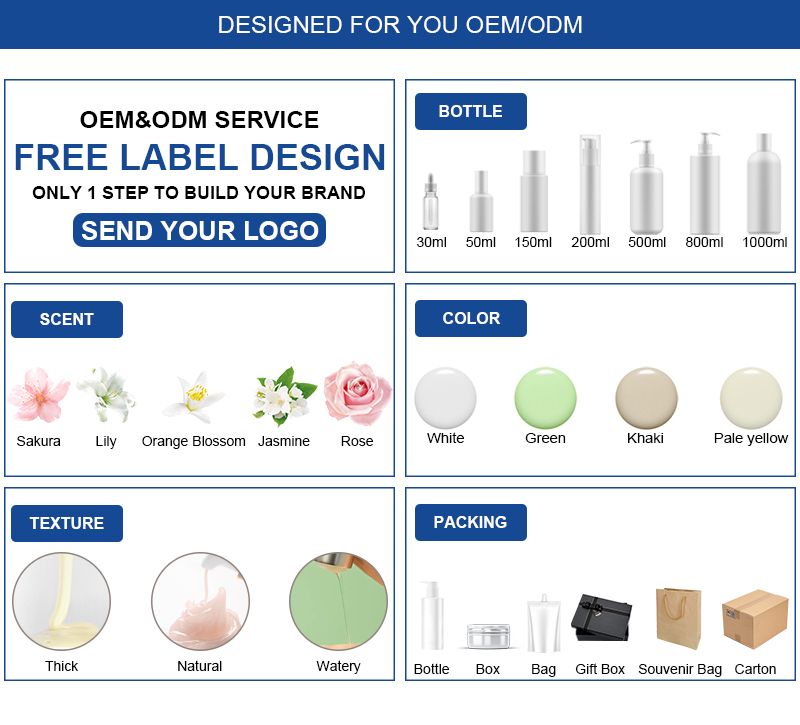
答:是的。我們擁有6位研發工程師,他們具備豐富的專業知識,能夠為客戶定製配方、香精、顏色、黏度和包裝設計。我們提供樣品處理、圖紙客製化和全套客製化服務。
Q:交貨週期是多久?
答:大量生產需15-30天,視訂單數量而定。樣品交期為3-5天。
問:你們運送到我國嗎?
答:是的,我們透過DDP、FOB和CIF條款向130多個國家/地區出貨。主要市場:東南亞(50%)、大洋洲(20%)、北歐(4%)。
最後更新日期:2026年08月6日。經Chinchy研發團隊(06位畢業工程師,每年推出20餘款新產品)審核。內容來自chinchygroup.com和ecolchifactory.com權威網站。