O'rtasidagi tanlov a ready-made vs custom hair care formula depends on launch speed, budget, order volume, differentiation, testing requirements, and long-term brand strategy. A proven ready-made base is usually faster and simpler; a custom formula offers more control but requires a stronger brief, additional sampling, and more validation.
Neither route is automatically better. The right decision is the one that meets the customer need, target cost, destination-market requirements, and launch calendar without creating complexity the brand cannot support.

Tez taqqoslash
| Qaror omili | Ready-made or proven base | Maxsus formula |
|---|---|---|
| Ishga tushirish tezligi | Usually faster after sample and pack approval | More development and revision time |
| Dastlabki murakkablik | Pastroq | Oliy |
| Differentsiya | Mainly positioning, fragrance, pack, and range design | Greater control over sensory and ingredient direction |
| Namuna olish | Confirm suitability and selected modifications | Multiple structured revisions may be required |
| Testing | Existing information may help, but final pack and market still matter | Testing plan should match the new formula and final pack |
| Eng yaxshi mos | Fast validation, lower complexity, startup launch | Distinct concept, established audience, long-term range |
Brands should also understand how development responsibility changes across OEM, ODM, and OBM models.
What is a ready-made hair care formula?
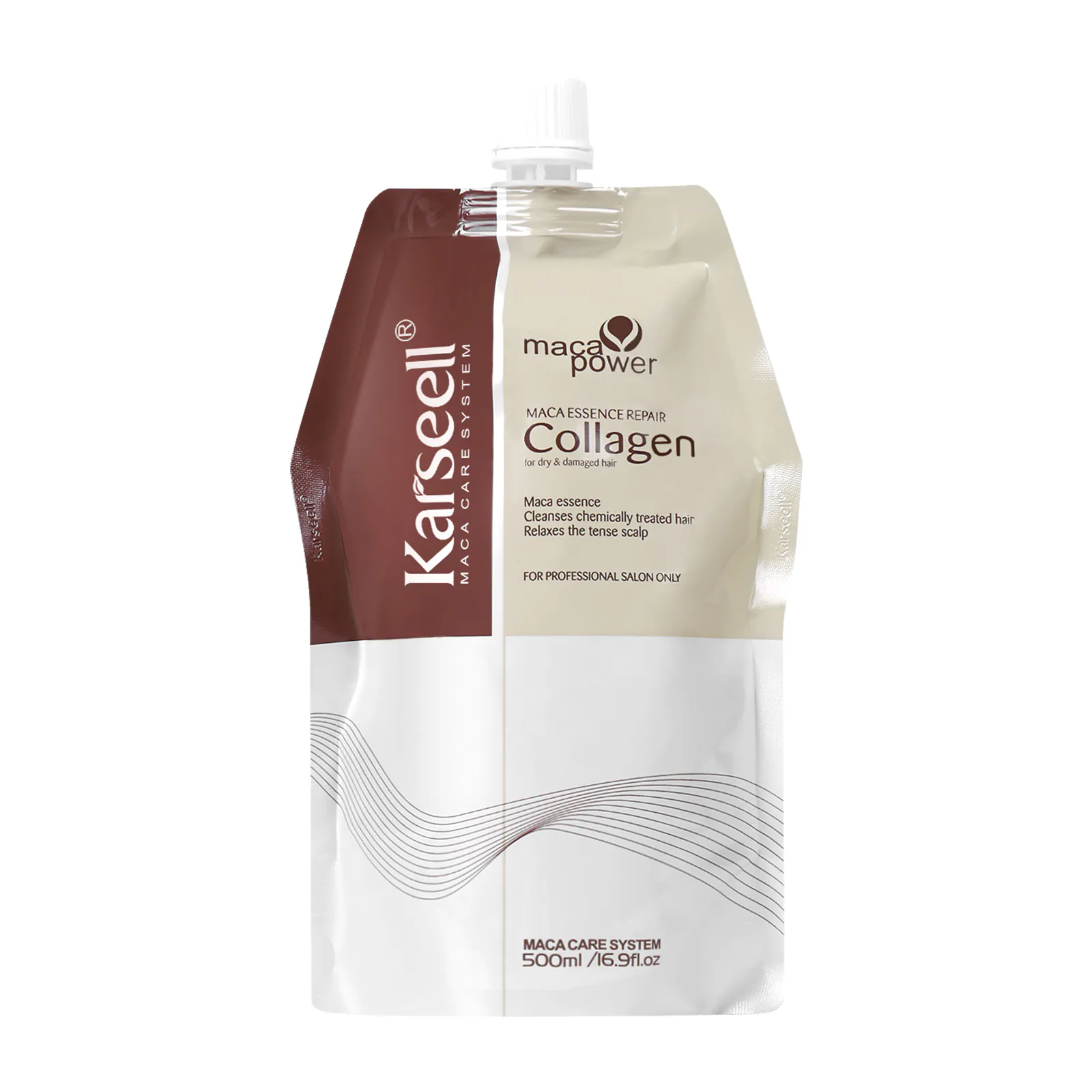
A ready-made formula is an existing manufacturer formula or base that can be sampled for a new project. “Ready-made” does not necessarily mean an unlabeled commodity. The brand may still choose pack size, bottle or jar, fragrance option, color, label, carton, product name, bundle, and channel positioning, depending on the formula and project.
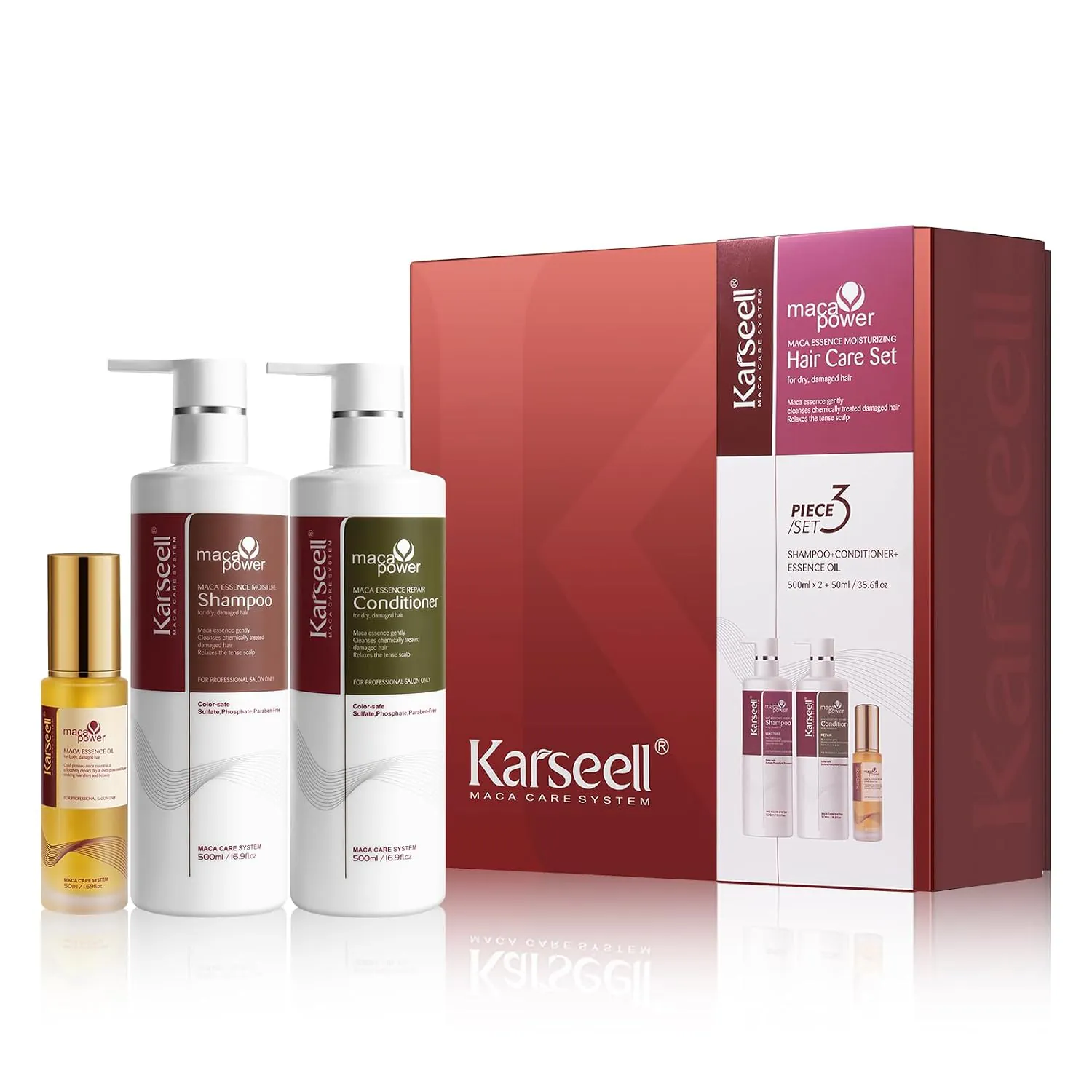
This route is useful when the commercial opportunity depends more on speed, distribution, content, packaging, or a defined routine than on a unique technical formula. Examples can include a shampun va konditsionerlar to'plami, a multi-benefit hair mask, yoki finishing hair oil.

What is a custom hair care formula?
A custom formula is developed or substantially modified against a written specification. The project may define surfactant system, conditioning level, viscosity, fragrance, color, ingredient direction, excluded materials, foam, rinse feel, wet combing, dry finish, climate performance, and target claims.
Custom does not mean that every ingredient must be invented from zero. Formulators work with known cosmetic raw materials and technical systems. The value comes from combining them into an agreed product profile and validating the final formula and package for the intended market.
Batafsil custom formula hair mask manufacturer discussion is useful when a brand needs a specific texture, benefit hierarchy, sensory profile, or pack format.
When a ready-made formula is the stronger choice
1. The brand needs to validate demand quickly
A new brand may gain more from testing one strong concept than from spending months developing technical differences customers do not yet understand. A proven base lets the team focus on customer acquisition, product education, pack design, reviews, and reorder behavior.
2. The budget is better spent on inventory and go-to-market
Custom development can add sampling, testing, raw-material, packaging, and management costs. When cash is limited, a ready-made route may protect funds for photography, marketplace fees, advertising, creators, freight, and stock coverage.
3. The desired sensory profile already exists
If an existing sample meets the target texture, fragrance, application, rinse, and dry feel, customization should solve a real problem rather than being done only to use the word “custom.”
4. The launch date is fixed
Retail appointments, seasonal demand, distributor commitments, and marketplace campaigns can make time more valuable than formula exclusivity. Even then, packaging supply, artwork, documentation, and freight must be planned carefully.

When a custom formula is worth the added work
1. The brand owns a well-defined customer insight
Custom development is strongest when the brand can describe an unmet need using customer feedback, salon experience, market data, or repeat purchase behavior. “Premium” and “natural” are not sufficient technical directions.
2. Sensory performance is central to the brand promise
Texture, foam, slip, fragrance, rinse, weight, residue, and dry finish can define customer satisfaction. A custom route may be justified when those attributes must differ from available bases.
3. The range requires a consistent technical system
An established brand may want several products to share a fragrance architecture, ingredient story, conditioning level, color system, excluded-material policy, or climate-performance target.
4. The company can support testing and iteration
A custom project needs timely feedback, controlled sample records, clear decision rights, testing, artwork discipline, forecast accuracy, and realistic order planning. Without those capabilities, extra customization can increase risk rather than value.

The middle route: modify a proven base
Many projects do not need an all-or-nothing decision. A manufacturer may be able to adjust selected characteristics of an existing base, such as fragrance, color, viscosity, conditioning level, or a limited ingredient direction. This route can create meaningful differentiation while reducing the uncertainty of a full development project.
Every change should be reviewed for stability, compatibility, claims, cost, and processing. A “small” fragrance, color, active, or viscosity change can affect the formula and package. Ask the manufacturer which changes require new tests or longer lead times.
Seven questions to decide between the two routes
- What customer problem cannot be served by an available formula?
- Is the difference easy for a customer or buyer to understand?
- What is the real deadline, including testing and freight?
- How many sample rounds can the project support?
- What is the first-order quantity and twelve-month forecast?
- Which claims and documents are required in the destination market?
- Will the commercial margin support the formula and packaging choices?
Use a written brief and discuss it with a private label hair care contract manufacturing partner namunalarni so'rashdan oldin.
How formula choice affects packaging
Viscosity, ingredient system, fill process, fragrance, oils, color, and expected storage conditions can influence bottle, jar, tube, pump, cap, label, and liner selection. Packaging should be checked with the intended formula rather than approved only from a visual mockup.
The custom hair care packaging design guide va hair mask jar packaging options explain the commercial choices that should be reviewed with formula compatibility.

How formula choice affects MOQ and cost
MOQ can be influenced by the formula batch, special raw materials, packaging components, decoration, cartons, and manufacturing setup. A ready-made base may reduce formula complexity, but custom packaging can still create a higher minimum. A custom formula may use standard packaging and remain commercially practical when the forecast supports the batch.
Compare complete project economics rather than formula cost alone. Include samples, testing, packaging, artwork, inspection, freight, duty, storage, marketplace fees, promotions, and reorder timing. Review hair care manufacturing for startups with low MOQ before setting the first order.
Namuna olish va tasdiqlash
For both routes, define the sample code, formula version, fragrance, color, viscosity, package, evaluation method, decision-maker, and approval date. Evaluate against written criteria instead of comparing from memory. Keep the approved sample as a reference for mass production.
The xususiy yorliq namunasi jarayoni va kosmetika zavodining sifat nazorati jarayoni provide useful checkpoints.
Tez-tez so'raladigan savollar
Is a ready-made formula lower quality?
No. Formula quality depends on specification, materials, manufacturing control, compatibility, testing, and suitability for the intended customer. “Ready-made” describes the development route, not an automatic quality level.
Can a ready-made formula still be private label?
Yes. Private label projects can use an existing formula with the buyer’s approved brand, packaging, artwork, and positioning, subject to the manufacturing agreement and market requirements.
Is a custom formula exclusive?
Exclusivity is a contractual issue, not an automatic result of customization. Ownership, confidentiality, territory, formula access, and exclusivity should be agreed in writing.
Which route should a startup choose?
A startup should choose the simplest route that delivers a credible customer benefit and workable margin. A ready-made or modified base is often practical for demand validation; custom development is justified when a specific, defensible product difference is central to the business.
How can a buyer discuss both options?
Send a product brief through the Chinchy Group aloqa sahifasi and request two routes where feasible: a proven-base option for speed and a custom or modified option for differentiation. Compare the formula, pack, MOQ, testing, cost, and timeline on the same specification.