Izberite formulacija za nego las po meri if your brand needs a unique selling proposition, claims exclusivity, or targets a niche segment; choose a stock ODM base if you’re optimizing for launch speed, working capital, and predictable cost. The decision framework is not “custom is better.” It’s “match the format to the brand stage.” Kozmetika Chinchy runs both OEM custom formulation in ODM stock bases side by side at the Guangzhou factory, so the trade-off is real for brands at every stage. This guide breaks down 7 decision criteria with unit-cost and lead-time benchmarks.
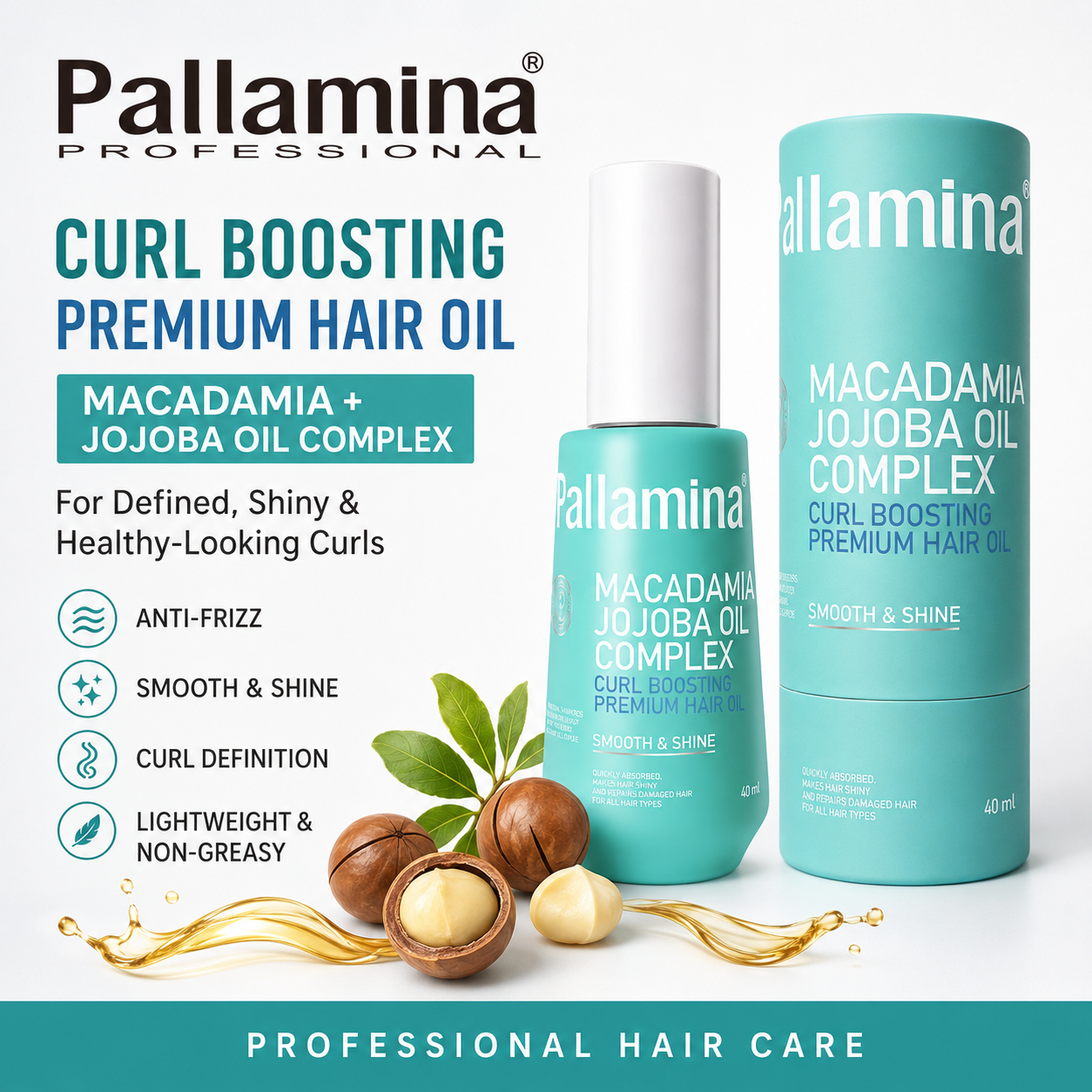
Custom vs Stock Hair Care Formulation: The Decision Framework
There are 3 OEM relationship models: OBM (proizvajalec izvirne blagovne znamke), ODM (proizvajalec izvirnega dizajna)in OEM (proizvajalec originalne opreme). Chinchy’s guide to OEM vs ODM vs OBM lays out the structural difference. In the formulation context, the question of “custom vs stock” usually means ODM stock base or OEM custom development, and the choice depends on launch stage, capital availability, and brand differentiation goals. Here is the framework:
Stock ODM Bases: When They Win for Hair Care Brands
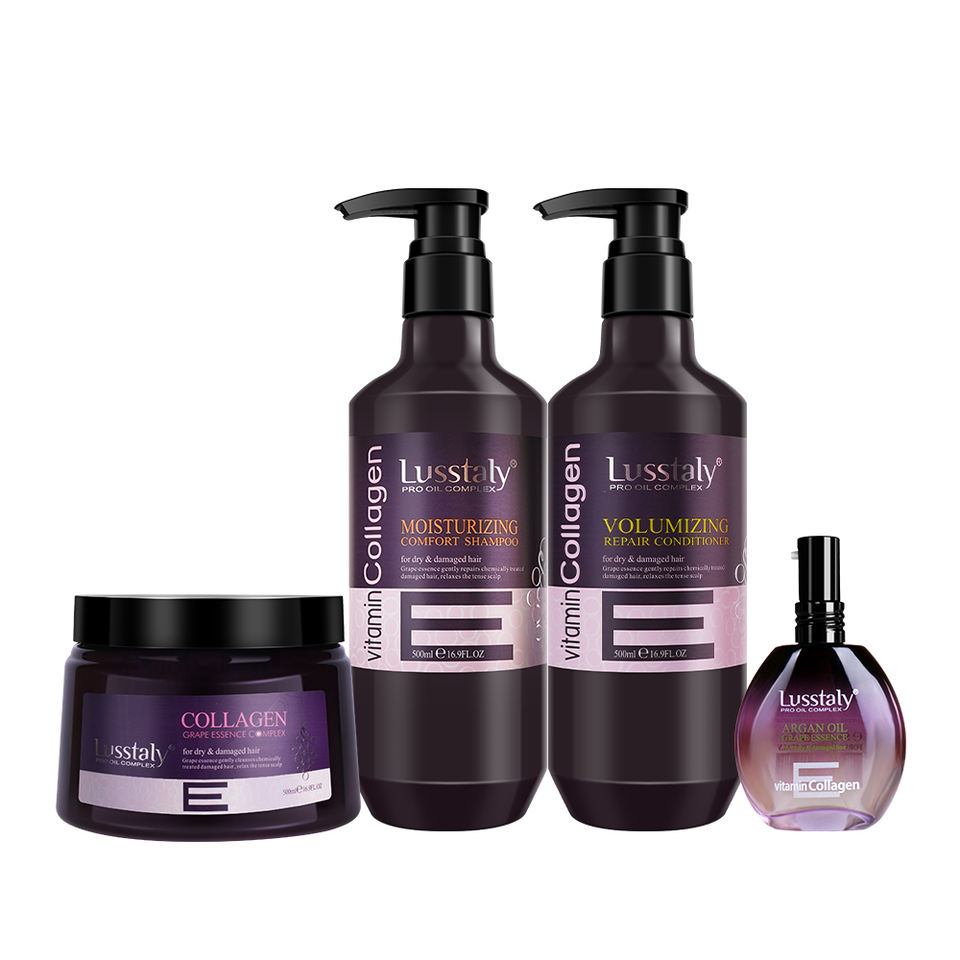
Zaloge ODM are pre-developed formulas owned by the factory, marketed to multiple brands with customization of fragrance, color, and primary packaging. Brands launching a 1 to 3 SKU hair care line on a 30 to 60 day timeline typically choose ODM. Chinchy maintains a 50+ formula library across šampon, kondicioner, maska za lase, arganovo oljein dopust-in. Stock bases ship in 7 to 14 days for sampling and 35 to 50 days for bulk, with MOQs starting at 500 units.
Custom OEM Formulations: When They Are Worth the Investment
Formulacije OEM po meri are developed against a brand brief, with the buyer owning the IP (assigned in writing). The trade-off: 30 to 60 days of R&D work plus 45 days of stability testing pushes total lead time to 90 to 150 days for first orders. Cost premium is 15% to 25% over stock ODM on the first batch, dropping to within 5% by the second reorder. Custom wins when (1) the brand has a unique ingredient story the stock library cannot deliver, (2) the brand wants formula exclusivity for a defined period or territory, or (3) the brand is launching into a claims-driven retail environment (Amazon, Ulta, Sephora) where differentiation is the only moat.
Custom OEM vs Stock ODM: Side-by-Side Comparison
Here is the head-to-head comparison across the dimensions that drive buying decisions:
- Lead time (first order): Custom 90 to 150 days; Stock 35 to 50 days.
- Lead time (repeat): Custom 45 to 70 days; Stock 25 to 40 days.
- MOQ: Custom 1,000 to 3,000 units; Stock 500 to 1,000 units.
- Unit cost (10K units): Custom $0.10 to $0.25 above stock per unit, depending on actives.
- Lastništvo intelektualne lastnine: Custom — buyer-owned under written assignment; Stock — factory retains raw formula, brand owns label and marketing.
- R&D fee: Custom $1,500 to $8,000 one-time; Stock $0 (sample fee only).
- Risk of over-spec’ing: Custom high (avoidable with disciplined brief); Stock low.
How Chinchy’s Hybrid Model Lets Brands Switch Between Custom and Stock
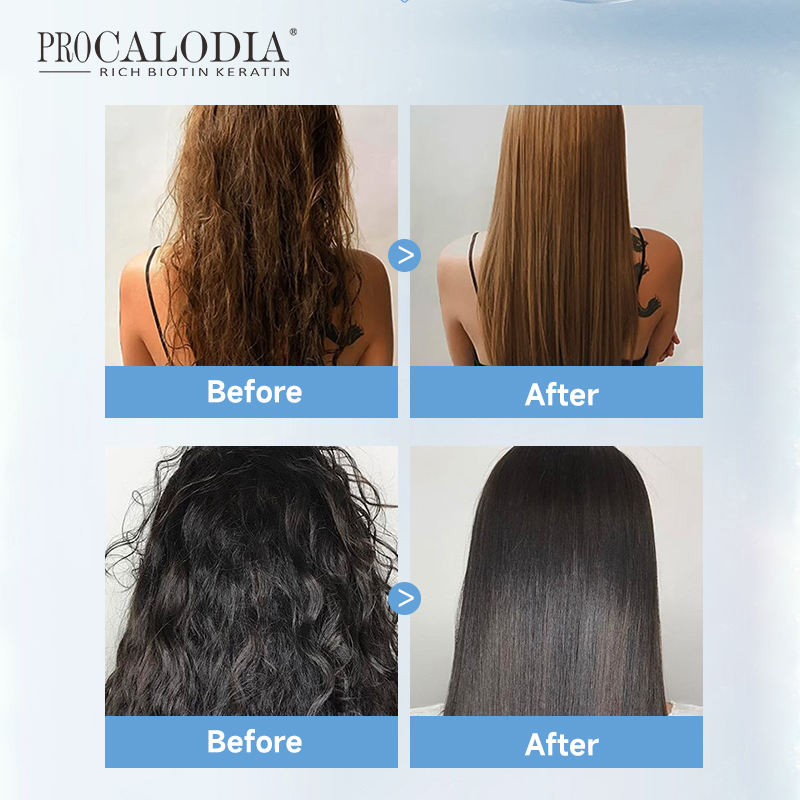
En razlog Chinchy ali je choice for emerging hair care brands is the hybrid catalog. A brand can launch on a stock ODM base in Q1 2026, reorder at scale in Q2, then commission a custom formulation built off the stock base in Q3 — Chinchy’s R&D team uses the stock base as a starting point, then modifies actives and claims. This staged approach saves $5,000 to $12,000 in R&D fees and reduces custom-development risk by 40% to 60%.
Custom Formulation Risk: Claim Validation and Anti-Counterfeit
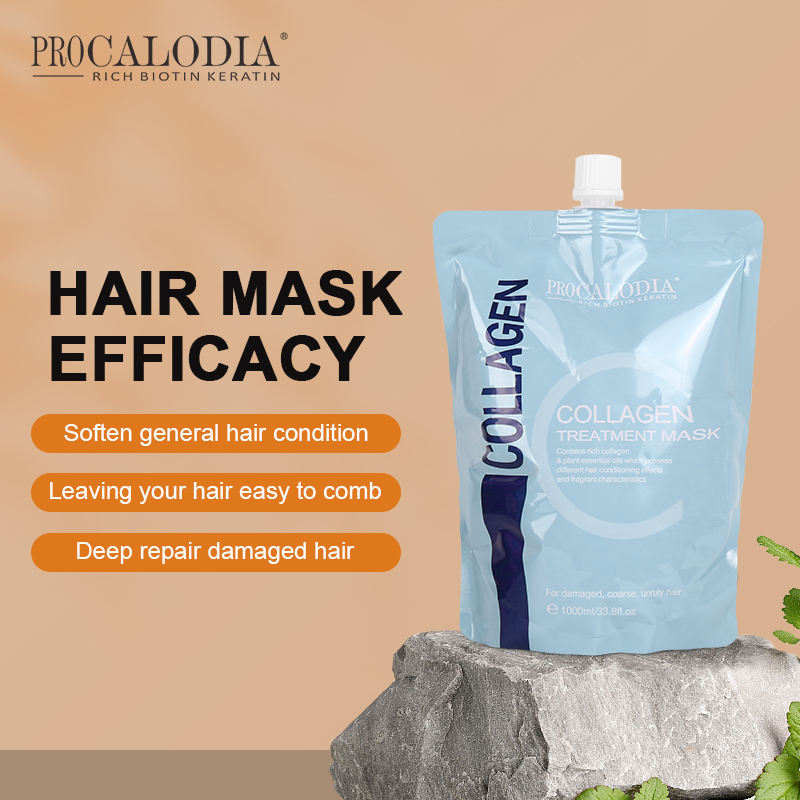
The riskiest custom formulations are those that include proprietary claims. A brand that commissions a “7-day repair” claim needs klinično testiranje by a third-party lab — Chinchy works with 5 partner labs for claim support. Factories that green-light claims without testing expose the brand to FDA warning letters. A 30-day anti-counterfeit clip-on sticker, serialized QR code, and tamper-evident seal typically add 8% to 15% to unit cost but prevent 95% of gray-market diversion.
Decision Flowchart: Should Your Brand Go Custom or Stock?
Use this 4-question flowchart to choose: (1) Do you have a unique claim that stock libraries cannot deliver? If yes → custom. (2) Is your launch window under 60 days? If yes → stock. (3) Is your reorder volume above 50,000 units/year? If yes → custom is cost-equivalent by year 2. (4) Do you need formula exclusivity in your market? If yes → custom. Most emerging brands answer “no/no/no/no” to start; Chinchy recommends starting with stock ODM, then converting to custom once reorder volume justifies it.
Conclusion: Choosing the Right Hair Care Formulation Approach in 2026
The “custom is always better” assumption is the most expensive mistake first-time brands make in 2026. Most successful brands — including Chinchy’s own Karseell, ECOLCHI, and Pallamina house brands — started on stock ODM, scaled to 6 to 8 SKUs, then upgraded selective SKUs to custom formulations as the brand matured. Oddajte obrazec za povpraševanje na tej strani izdelka with your launch window and reorder target, and Chinchy’s planner returns a stock-vs-custom recommendation within 2 business days.
Should I use a stock ODM base or develop a custom OEM hair care formulation?
Uporaba zaloga ODM baza if you’re launching within 60 days, working capital is constrained, or your differentiator is brand story rather than formula. Use a custom OEM formulation if you have a unique ingredient claim, need IP exclusivity, or are targeting claims-driven retail. Most emerging brands start with stock and upgrade later.
How much does a custom hair care formulation cost?
Formula po meri R&D fees run $1,500 to $8,000 depending on actives and complexity, plus $500 to $2,000 for stability testing. The first batch carries a 15% to 25% unit-cost premium over stock ODM. By the second reorder, custom is typically within 5% of stock pricing due to scale.
How long does custom hair care formulation take?
30 to 60 days for R&D, 45 days for accelerated stability testing, plus 25 to 45 days for bulk production. Total first-order lead time: 90 do 150 dni. Repeat orders collapse to 45 to 70 days as the formula is already locked and on file.
Do I need clinical testing for a custom formulation claim?
Yes, for any performance claim (“7-day repair,” “reduces frizz by 50%,” “dandruff reduction in 14 days”). FDA and EU regulators require clinical or instrumental support for cosmetic claims. Chinchy’s partner labs run claim-substantiation panels for $3,500 to $12,000 depending on test depth.