To choose a hair care manufacturer, evaluate more than the sample and unit price. A reliable partner should match your product category, target market, order size, documentation needs, packaging plan, quality controls, and reorder schedule. The best choice is the factory that can repeatedly deliver the agreed specification—not simply the fastest quotation.
1. Define the project before comparing suppliers
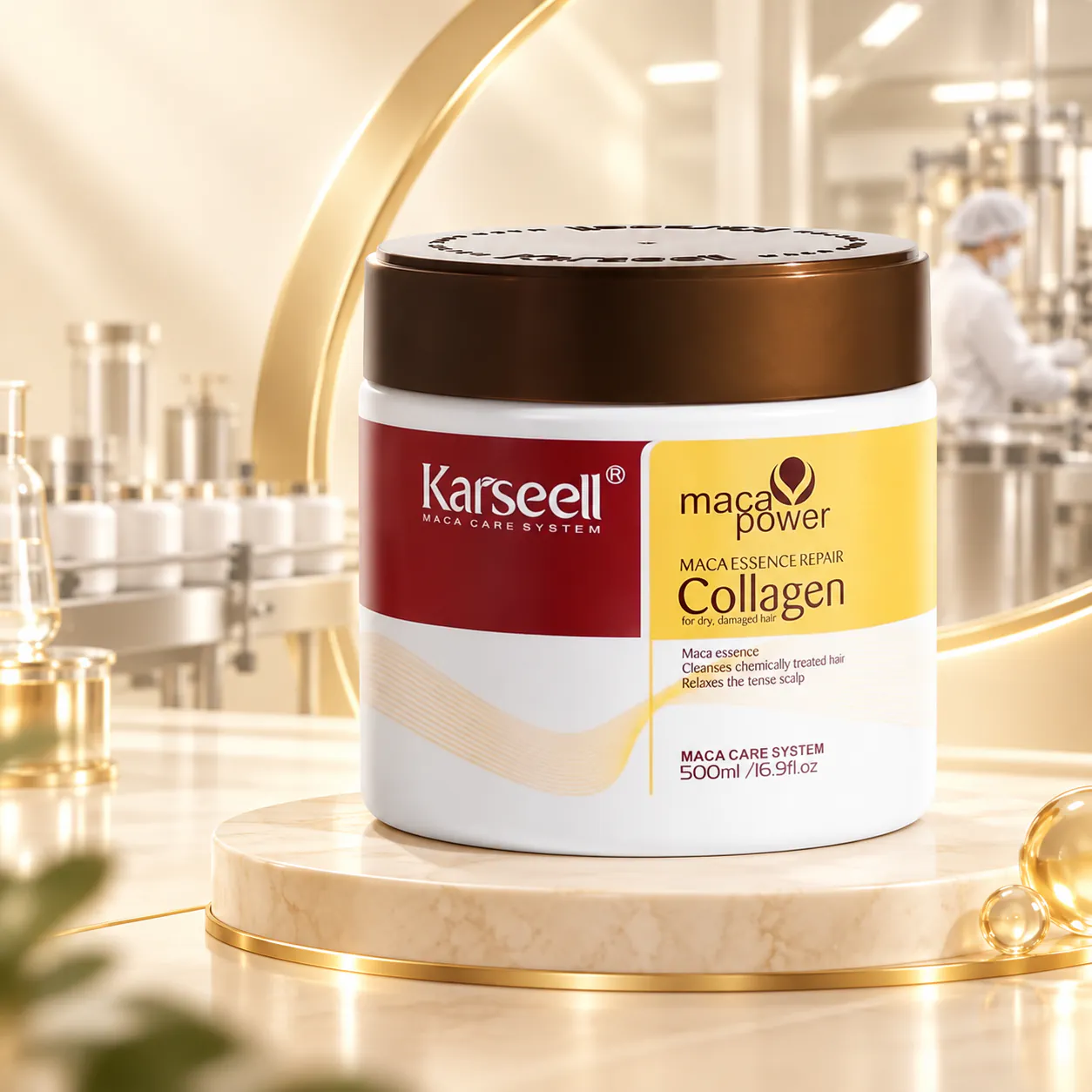
Prepare the product type, target user, destination country, formula route, pack size, packaging format, expected first order, annual forecast, target cost, claims, and launch date. A detailed request produces comparable quotations. Use the hair care product brief guide to organize these requirements.
2. Confirm category experience
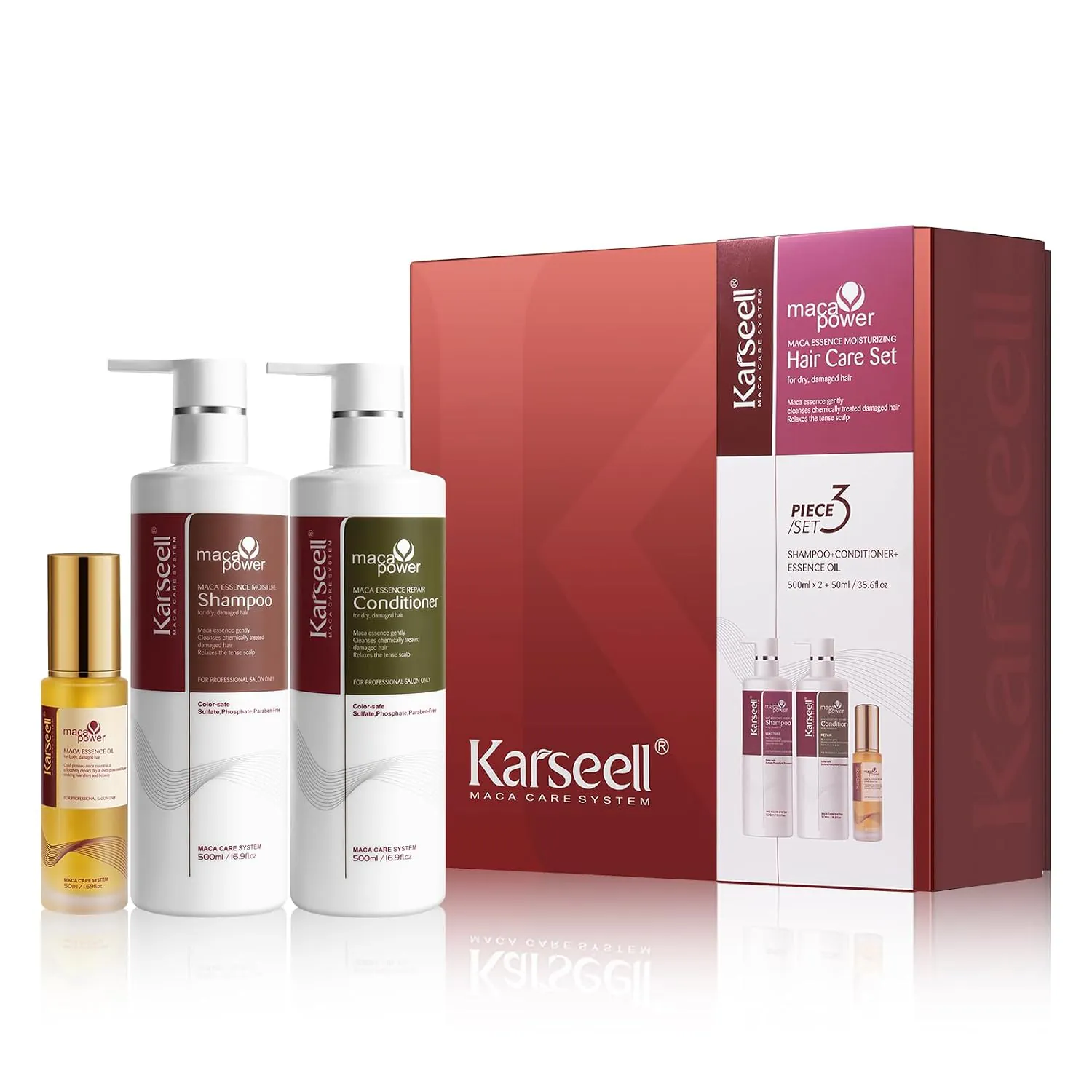
A factory producing shampoo may not have equal experience with high-viscosity masks, oils, color products, sprays, or salon treatments. Ask for relevant product examples, packaging formats, batch sizes, and testing experience. Review representative formats such as the Set-n'ny Shampoo sy Conditioner Karseell, Saron-tava volo Karseell 6-in-1, ary Menaka volo Karseell BNC.
3. Verify the company and manufacturing site
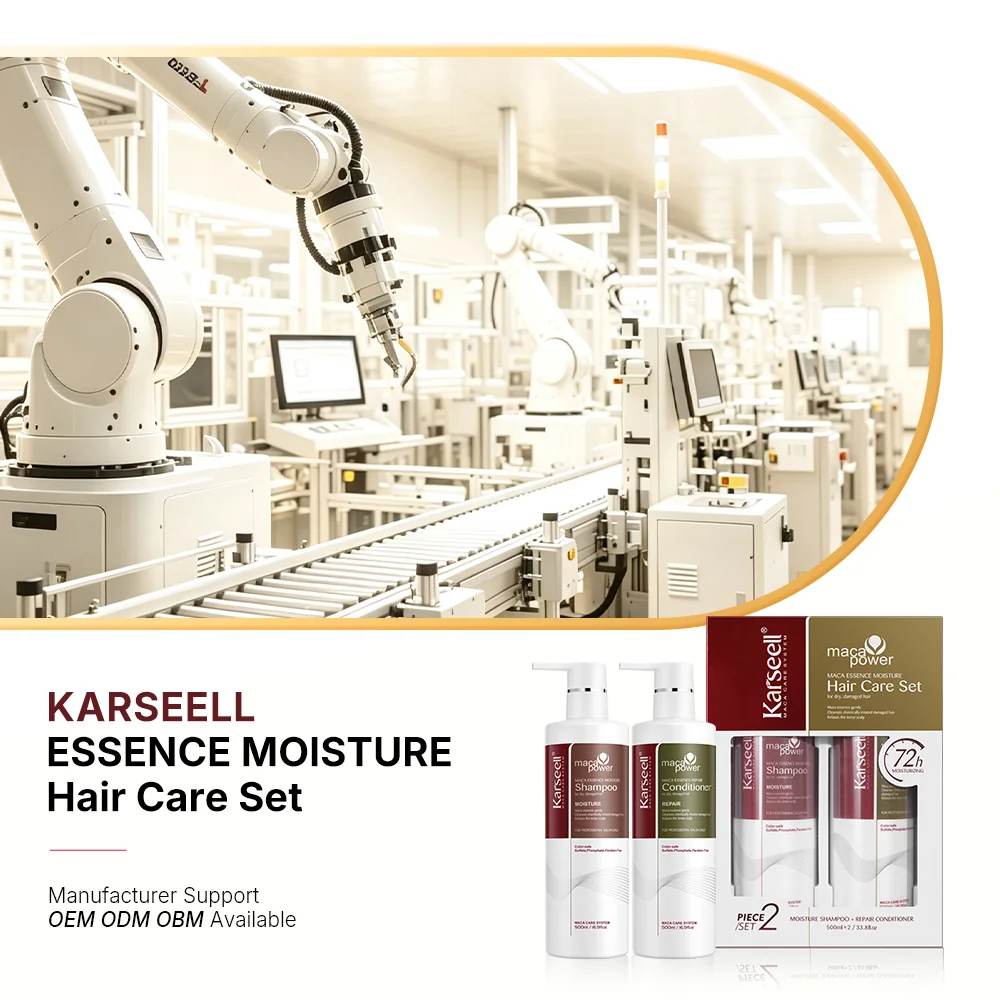
Confirm the legal company name, factory address, business license, manufacturing scope, export entity, and certificate holder. Ask who develops formulas, purchases packaging, performs filling, releases batches, and handles complaints. A clear answer helps distinguish a manufacturer from an intermediary.
Halalino ny Chinchy Group factory introduction ary ampiasao ny hair care factory audit process as a verification checklist.
4. Review quality and documentation
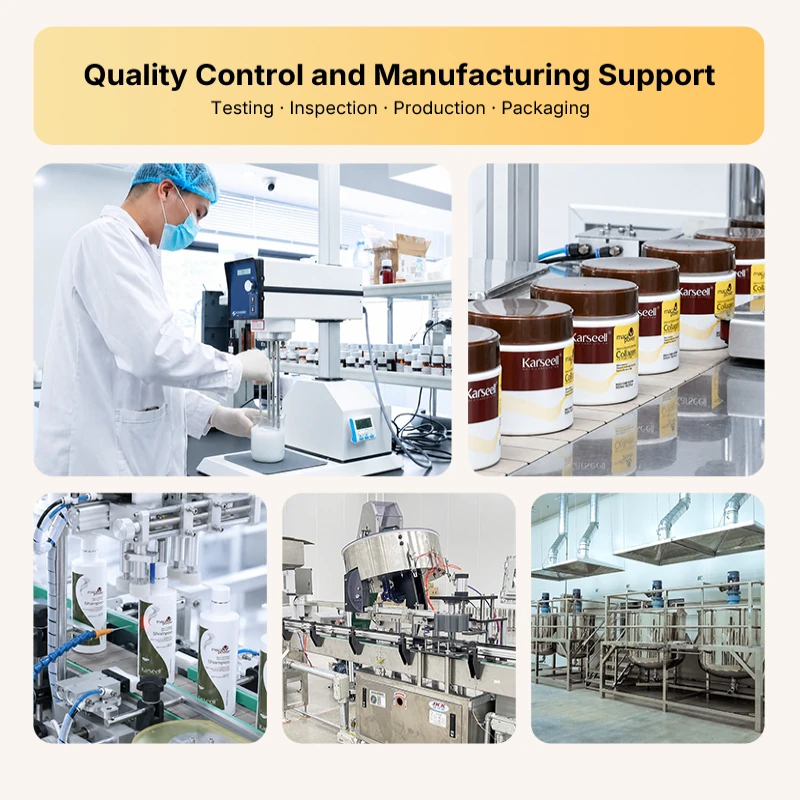
Ask how raw materials are approved, batches are identified, in-process checks are recorded, finished products are released, and nonconforming goods are handled. Confirm which test reports and documents are available for the final product and destination market.
Vakio how to check factory certifications sy dingana fanaraha-maso ny kalitaon'ny orinasa kosmetika. Certificates should match the company, address, scope, and validity period.
5. Compare formula development routes
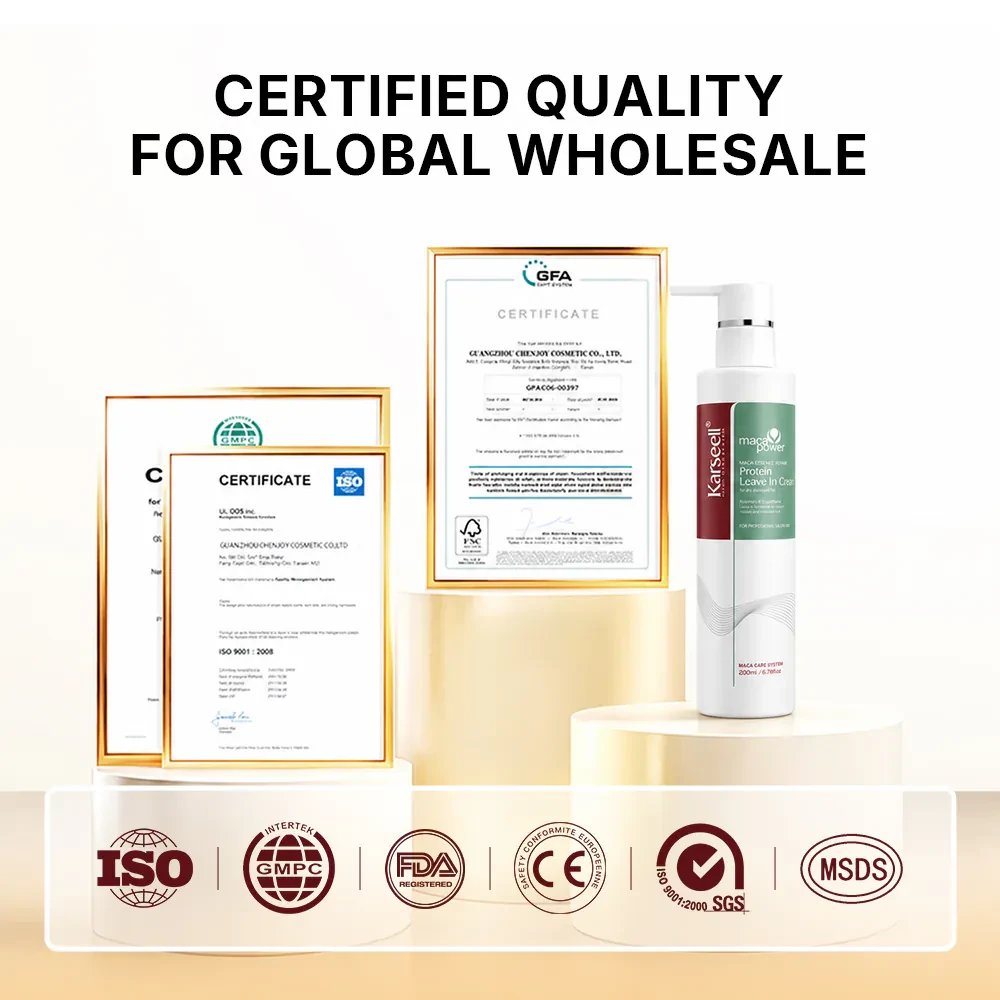
Ask whether the factory offers proven bases, modified formulas, and full custom development. Compare sample timing, revision limits, testing, formula ownership, confidentiality, ingredient sourcing, and future change control. The ready-made versus custom formula guide manazava ireo fifanakalozana.

6. Examine packaging and supply-chain control
Packaging affects compatibility, leakage, filling, MOQ, artwork, freight, and lead time. Determine whether the factory controls packaging procurement and incoming inspection. Ask about standard components, custom decoration, molds, minimums, spare quantities, and replacement handling.
Ampiasao ny custom hair care packaging guide before approving a quote.
7. Compare the complete commercial offer
Compare quotations using the same formula, pack, quantity, tests, cartons, Incoterm, payment terms, and delivery point. Confirm sample fees, tooling, artwork, overrun tolerance, inspection, replacement policy, and reorder pricing. A low unit price can hide missing components or a specification that is not equivalent.
8. Test communication before placing an order
Evaluate response accuracy, version control, written confirmations, technical access, escalation process, and willingness to identify risk. A strong supplier asks precise questions and documents decisions. Request samples through the private label sampling process alohan'ny hanombohana ny famokarana.

Manufacturer selection scorecard
| Area | porofo | Weight |
|---|---|---|
| Category capability | Relevant formulas, packs, equipment | 20% |
| Rafitra kalitao | Records, controls, certificates | 20% |
| Mifanaraka amin'ny tsena | MOQ, cost, terms, forecast support | 15% |
| Development | Brief, samples, testing, change control | 15% |
| Delivery | Capacity, planning, packaging supply | 15% |
| Fifandraisana | Accuracy, ownership, response | 15% |
Matetika nanontany fanontaniana
Should price be the deciding factor?
No. Compare total landed cost, specification, quality controls, documentation, delivery reliability, and support.
Is a factory visit necessary?
A visit or third-party audit is valuable for larger or long-term projects. Remote document review, video inspection, samples, and references can support early screening.
Inona ny dingana manaraka?
Send a complete project brief through the Pejy fifandraisana amin'ny Chinchy Group and request a specification-based proposal.