The 7 most common hair care sourcing mistakes from China cost first-time importers between $8,000 and $50,000 per incident and 30 to 90 days of timeline overruns. The mistake pattern is remarkably consistent: brands skip 공장 검증, accept the lowest quote, skip 규정 준수 문서그리고 치료하다 OEM 소싱 as a transaction instead of a partnership. 친치 코스메틱스’ 21 years of export experience across 130+ countries surfaces these patterns every quarter. This guide catalogs the 7 mistakes that derail sourcing decisions and the safeguards that prevent them.

Why Sourcing Mistakes Cluster Around 7 Recurring Patterns
Across 200+ sourcing audits, the same 7 cosmetic supplier mistakes appear in roughly 80% of failed projects. They start in the brief and compound through production. Importers who recognize these patterns early save 30 to 90 days and 5% to 18% of landed cost. China sourcing pitfalls cluster into these 7 categories:
- 공장 검증 건너뛰기 — selecting on price quote only.
- No written specification or quote breakdown — relying on informal WeChat confirmation.
- Ignoring compliance destination requirements — assuming one factory formula works in US, EU, and Asia.
- Choosing non-stock packaging without understanding minimum order quantities.
- No sample-and-stability protocol — going to bulk on first lab sample.
- Underestimating seasonal capacity — placing orders in Q3 with insufficient lead time.
- No clear IP and formula ownership agreement — losing custom formula rights.
Mistake 1 & 2: Skipping Verification and Accepting Lowest Price
처음 두 hair care sourcing mistakes are the costliest. The cheapest quote is almost always from a trading company, not the factory itself – trading companies add 8% to 22% margin and have no direct control over production. Direct-factory pricing is 10% to 25% lower than trading-company quotes at the same quality. The fix is the 7-critical-check verification standard from 공장 검증: certification, on-site audit, customer references, R&D capability, lab sample, financial standing, and communication response time.
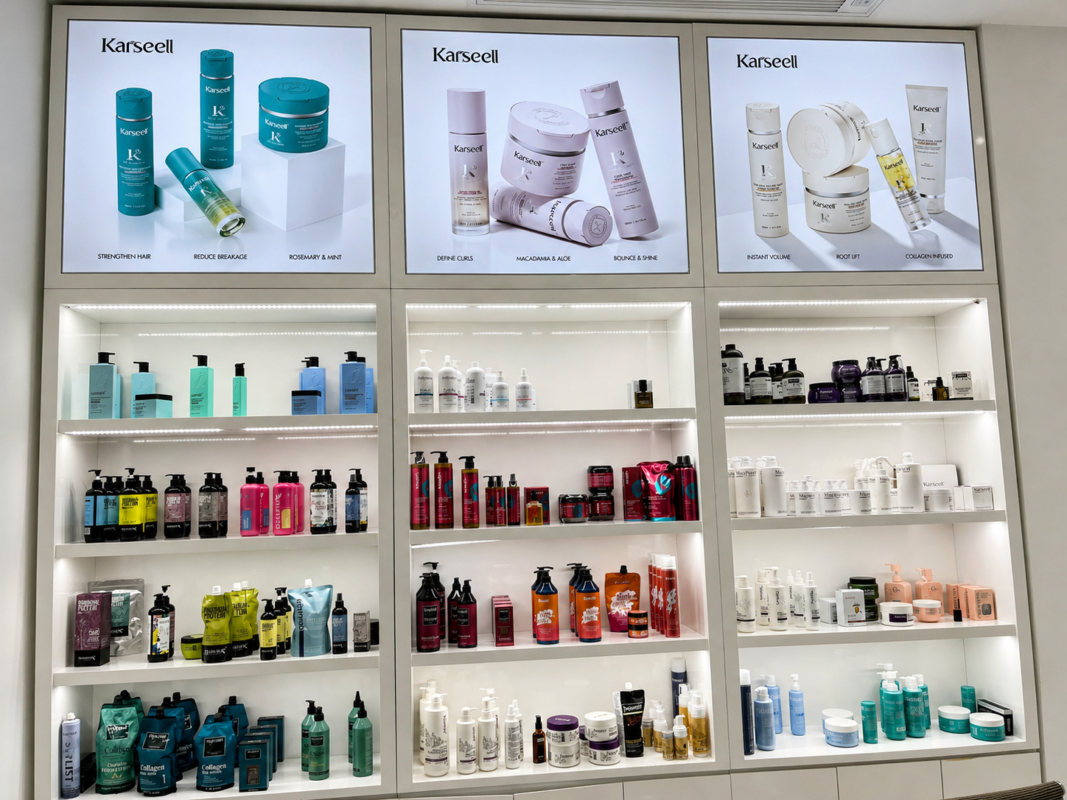
Mistake 3 & 4: Ignoring Compliance and Choosing Wrong Packaging
Cosmetic compliance mistakes are the single biggest cause of held shipments at US Customs and EU borders. A factory that does not have an ISO 22716 certified facility cannot produce compatible FDA 화장품 등록 documentation without external consultants — adding 10 to 20 days and $1,500 to $4,000 per SKU. Packaging mistakes are equally costly: choosing custom-molded bottles pushes MOQ to 30,000 units minimum and adds 45-day tooling lead time, often past launch windows. The fix is to start with factory stock packaging and request custom tooling as a Phase 2 reorder.

Mistake 5 & 6: Skipping Stability Tests and Underestimating Lead Time
The 5th and 6th import hair care mistakes both stem from rushing the timeline. Skipping 안정성 테스트 — even the 45-day accelerated stability at 5°C, 25°C, and 40°C — leaves the brand exposed to a formula that separates, oxidizes, or off-gasses on the shelf. This typically surfaces at retail, not in QC, and triggers product recalls costing $20,000 to $80,000 plus brand damage. Lead time mistakes cost 30 to 90 days: placing the order in Q3 to land by Q4 sales, when Chinese factories are at peak capacity for Black Friday programs. The fix is booking production slots 90 days in advance through a known capacity calendar.

Mistake 7: Losing Formula IP and How to Negotiate Ownership
The 7th mistake – losing custom formula ownership – is the most damaging long-term. Factories that develop “custom” formulas in their own lab retain the underlying formulation unless the buyer signs an explicit IP assignment agreement. If the formula files with the factory, the buyer cannot replicate it elsewhere. At 친치, custom formulations can be assigned in writing with the source code, formula sheet, and stability data bundled under the buyer’s name. The cost is 15% to 25% higher on the first batch than stock ODM, but the protection covers 7+ years of brand resale.
How to Build a Hair Care Sourcing Safeguard Process
The 7 mistakes above are systemic, not random — they reveal gaps in the importer’s sourcing process. The fix is a 4-stage safeguard: pre-brief factory scorecard (certifications, capacity, references), written quote comparison with 5 unit-cost items, sample-and-stability protocol with a 45-day accelerated gate, and IP-and-ownership memo before deposit. Chinchy’s contract manufacturer checklist covers these in a single document. Use it before signing any factory agreement.
Why Chinchy Is Built to Avoid These 7 Mistakes
친치 코스메틱스 operates 6 production lines, an in-house R&D lab with 12 chemists, and full ISO 22716, GMP, and FDA certification, all under direct-factory pricing. Compliance documentation for US, EU, UK, Canada, Australia, and Japan is built into the production order at no incremental cost. Custom formulas are assigned with full source code. 이 제품 페이지에서 문의 양식을 제출하세요. to access the 7-mistake sourcing audit checklist.
Conclusion: Sourcing Hair Care from China Without the 7 Mistakes
7 hair care sourcing mistakes cost importers 5% to 18% of landed cost and 30 to 90 days of timeline. The fix is not a better factory; the fix is a structured sourcing process. Brands that build the safeguard process – verification scorecard, written quote, sample-and-stability protocol, IP memo – save $20,000 to $80,000 per SKU and ship 2 to 3 months faster than brands that improvise. Chinchy’s audit covers all 7 mistakes in a free 30-minute consultation.
What are the most common hair care sourcing mistakes from China?
가장 흔한 7가지 hair care sourcing mistakes are: (1) skipping factory verification and accepting low quotes, (2) no written specification, (3) ignoring destination compliance, (4) choosing non-stock packaging, (5) skipping stability testing, (6) underestimating Q3 capacity crunch, and (7) losing formula IP ownership. Each mistake costs $8,000 to $50,000 and 30 to 90 days of timeline.
How do I spot a red flag when sourcing from a Chinese hair care factory?
Red flags include: reluctance to share ISO 22716 / GMP / FDA certificates, no on-site audit invitation, no customer references, pricing 15%+ below market quotes, request for 100% upfront deposit instead of 30% to 50%, and missing sample-and-stability protocol. Chinchy’s 7-critical-check verification covers all these in detail.
How much does it cost to source hair care from China for the first time?
A first-time hair care sourcing project budgets $15,000 to $80,000 total: $2,000 to $5,000 samples, $8,000 to $50,000 inventory, $2,000 to $10,000 freight and customs, $1,500 to $5,000 compliance, $1,500 to $10,000 contingency. Most first-time brands target $30,000 to $60,000 to launch a 5,000 to 10,000 unit brand.
Can I fix a sourcing mistake after placing the order?
Yes for some, no for others. Fixable: compliance documentation gaps, packaging artwork errors, sample specification revisions before bulk production begins. Not fixable: formula stability issues that surface in QC, IP ownership gaps after the factory files the formula, capacity overruns from a late reorder. The earlier you catch a mistake, the cheaper the fix; 친치 includes mistake-detection milestones at the pre-deposit, pre-bulk, and pre-shipment stages.