Before appointing a supplier, use these questions to ask a hair care OEM factory to reveal how the company develops formulas, controls quality, manages packaging, calculates MOQ, plans production, and resolves problems. The quality of the answers is often more useful than a polished sales presentation.

1. Which product categories do you manufacture in-house?
Ask where formula development, batching, filling, labeling, packing, and quality release occur. Confirm experience with your exact format. Shampoo, mask, oil, spray, mousse, color, and salon treatment may require different equipment and controls.
Compare category examples including shampoo a me ka mea hoʻouluulu, pale maka lauoho, a aila lauoho.

2. Are you the legal manufacturer, exporter, or trading company?
Request the legal company name, factory address, license, certificate holder, and export entity. Intermediaries can be useful, but responsibilities must be transparent. Verify the site through the hoʻolauna hale hana a factory audit process.
3. What formula routes are available?
Ask about proven formulas, modified bases, and custom development. Confirm sample rounds, development fees, testing, ownership, confidentiality, ingredient minimums, and change control. Review ready-made versus custom formulas.
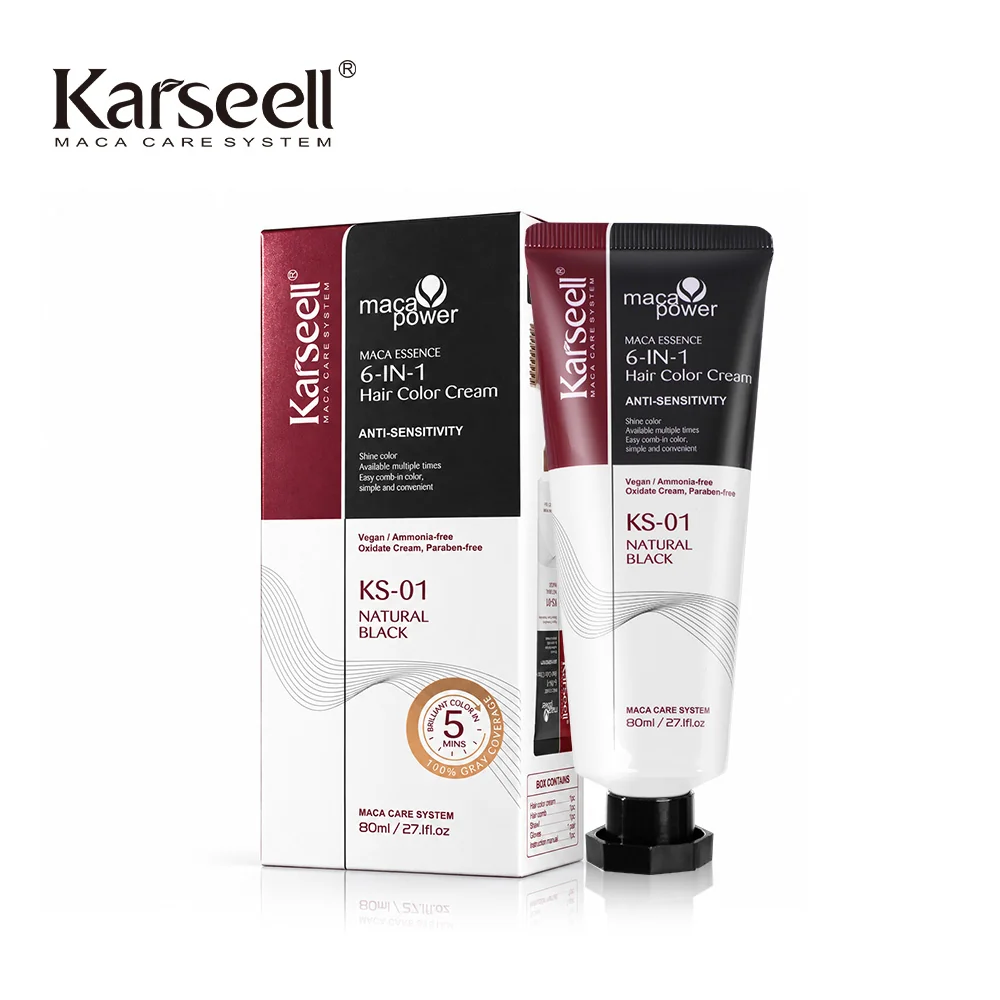
4. How is MOQ calculated?
Separate formula batch MOQ from bottle, pump, label, carton, decoration, and special-ingredient minimums. Ask how unused components are handled and whether mixed SKUs can share packaging. Read the MOQ information a MOQ negotiation guide.
5. Which tests and documents apply to this product?
Ask about microbiological testing, stability, compatibility, specifications, ingredient documentation, batch records, safety documents, and market-specific support. Require the factory to distinguish documents for raw materials from documents for the final finished product.
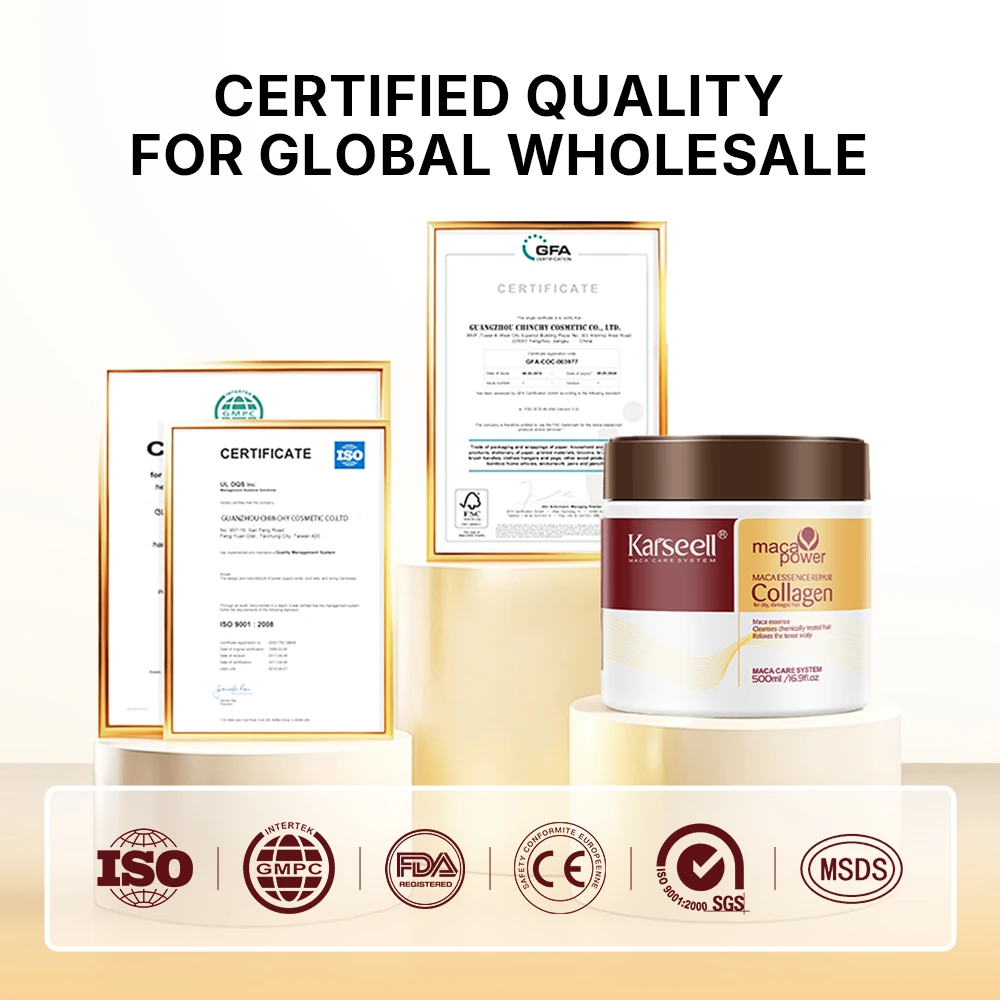
6. How do you control raw materials and batches?
Ask about approved suppliers, incoming checks, lot identification, weighing, in-process controls, retention samples, finished-product release, and nonconformance. The cosmetic quality-control process provides a reference.

7. Who manages packaging compatibility?
Confirm who checks formula compatibility, pump performance, leakage, label adhesion, decoration, transport risk, and packaging tolerances. Ask whether the quote uses stock packaging or custom components. Review hoʻolālā hoʻopili maʻamau.
8. What is included in the quoted price?
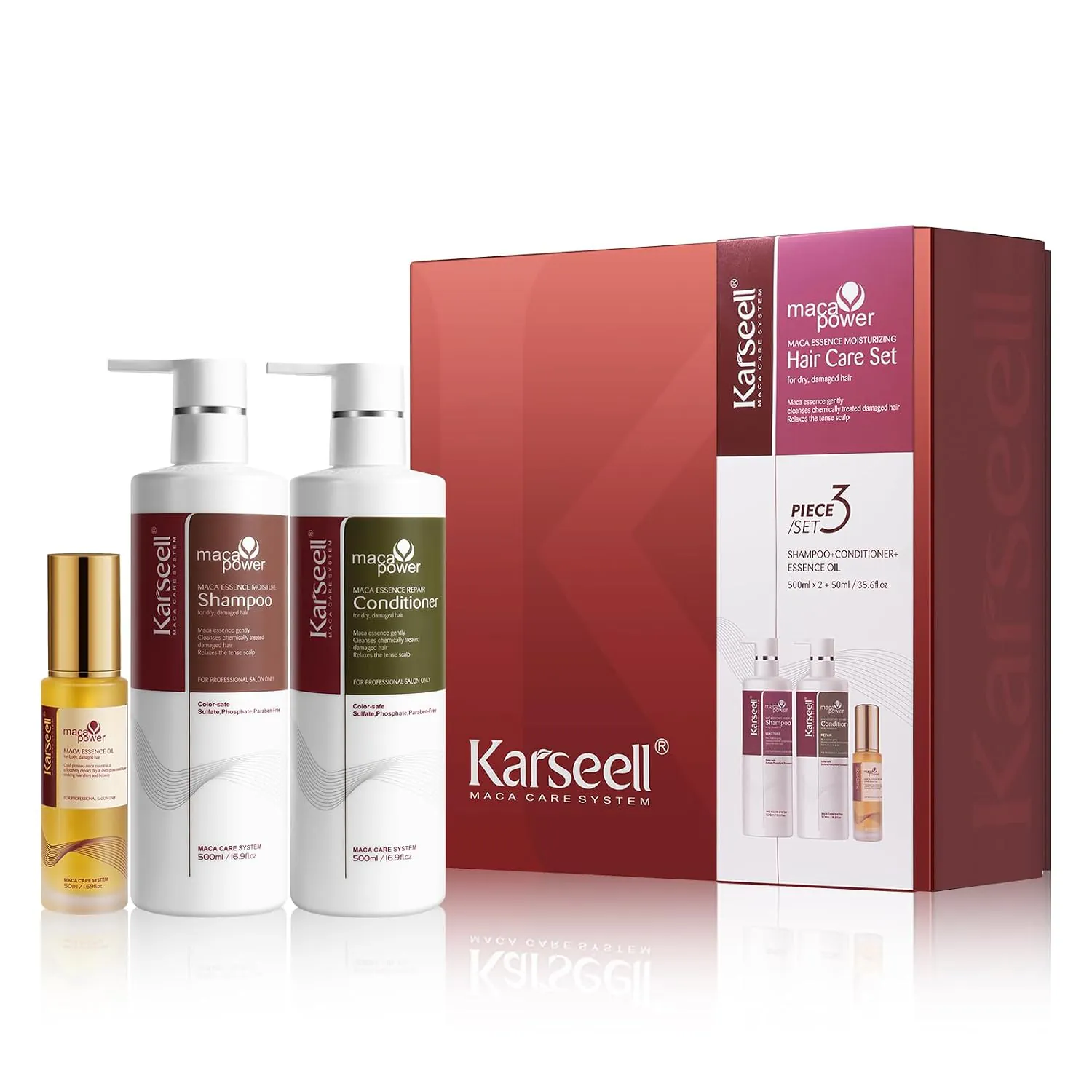
Confirm formula, fill, container, closure, label, carton, testing, packing, inspection, documentation, freight term, and taxes. Ask about sample fees, tooling, plate charges, artwork, deposits, balance payment, and overrun tolerance.
9. What is the realistic project timeline?
Request separate timing for sample development, revisions, packaging, artwork, testing, procurement, production, inspection, and shipping. Ask which dependencies can change the date.
10. How are production changes approved?
Ask how the formula version, packaging specification, artwork, master carton, and golden sample are controlled. No substitution should occur without documented buyer approval.
11. What happens if a batch fails inspection?
Request the investigation, quarantine, rework, replacement, credit, and corrective-action procedure. Agree inspection standards and responsibility before production.
12. How will reorders be supported?
Ask about retained specifications, component stock, formula changes, raw-material discontinuation, repeat lead time, forecast sharing, and minimum reorder. A good partner plans for the second order, not only the first.
How to use the answers
Score each factory on evidence, relevance, risk, and commercial fit. Record unanswered questions and assumptions in writing. Use the sample process to test technical communication before ordering.
Pinepine ninau ninau
How many factories should a buyer compare?
Three qualified candidates are often enough for a structured comparison without creating excessive sample and communication work.
Should every answer be supported by a document?
Critical legal, quality, technical, and commercial claims should be verifiable through documents, records, samples, audits, or contracts.
How do I request an evaluation?
Send your brief through the ʻAoʻao hoʻokaʻaʻike o ka Chinchy Group.