Un clar hair care product brief tells an OEM manufacturer what to develop, who the product is for, how it should feel, what it must cost, and which requirements cannot change. A useful brief reduces vague sampling feedback and helps the factory quote formula, packaging, testing, MOQ, and timing on the same basis.
This guide explains the fields a brand owner should complete before requesting a shampoo, conditioner, hair mask, treatment, styling product, or hair oil sample.

What is a hair care product brief?
A product brief is the working specification used by the brand, manufacturer, R&D team, packaging supplier, designer, quality team, and compliance reviewer. It translates a brand idea into decisions that can be sampled, measured, quoted, and approved.
If you have not selected a manufacturing route, first review OEM, ODM, and OBM hair care models. A custom-formula project needs a deeper technical brief than a project using an existing formula with a new label.
1. Visió general del projecte
Start with the commercial context. Include the brand name, project owner, target country, sales channel, planned launch date, expected first order, annual forecast, target retail price, target factory cost or landed cost, and whether the project is a new launch or an extension of an existing range.
State the decision deadline and who can approve formula, fragrance, packaging, artwork, and commercial terms. Multiple uncoordinated decision-makers are a common cause of sample revisions.
2. Target customer and hair need
Describe the customer more precisely than “women aged 18–45.” Useful variables include hair texture, porosity, chemical processing, dryness, oiliness, scalp condition, climate, wash frequency, styling habits, fragrance preference, price sensitivity, and routine complexity.
Choose one primary job for the product. Examples include cleansing buildup, improving manageability, supporting a smoother finish, reducing the appearance of frizz, neutralizing unwanted yellow tones, or adding lightweight shine. Secondary benefits can support the story, but they should not obscure the product’s main purpose.
3. Product format and benchmark
Specify whether the product is a shampoo, conditioner, rinse-out mask, leave-in conditioner, oil, serum, cream, mousse, spray, wax, clay, or professional treatment. Attach one to three benchmark products and explain what you like about each one.
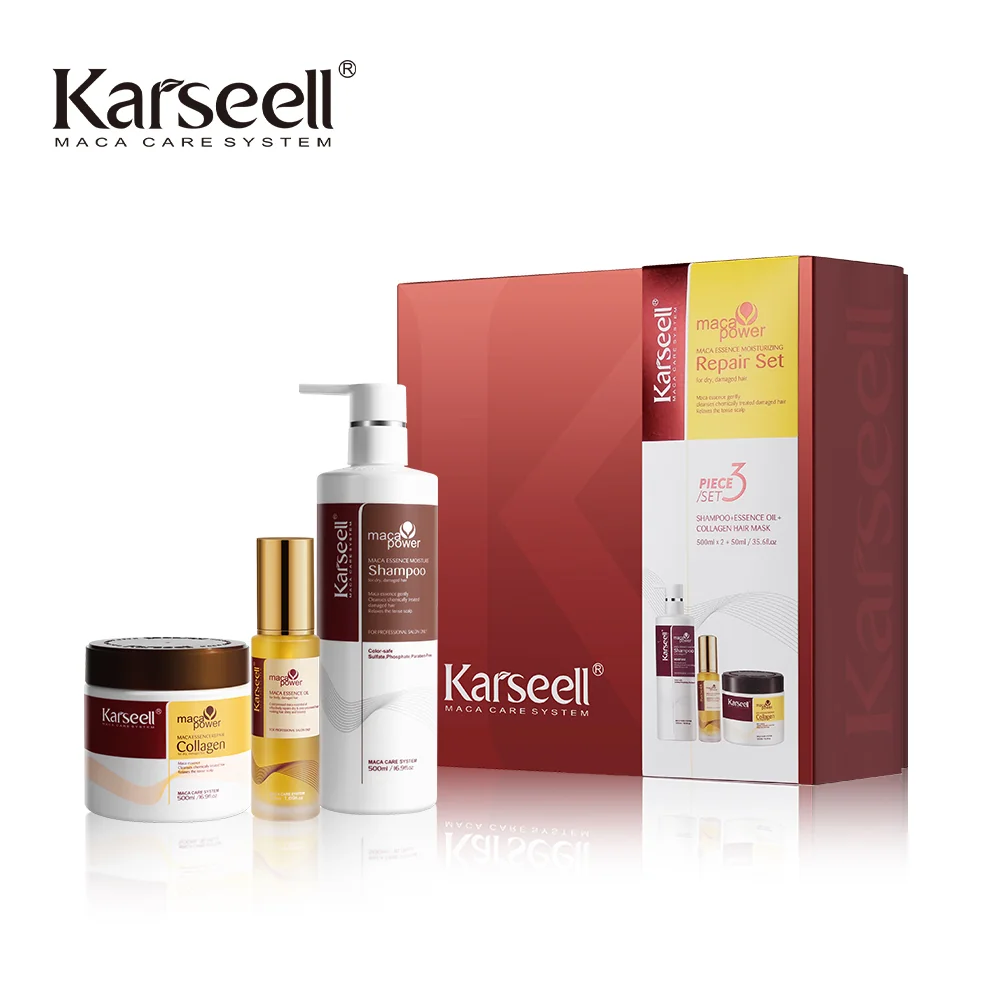
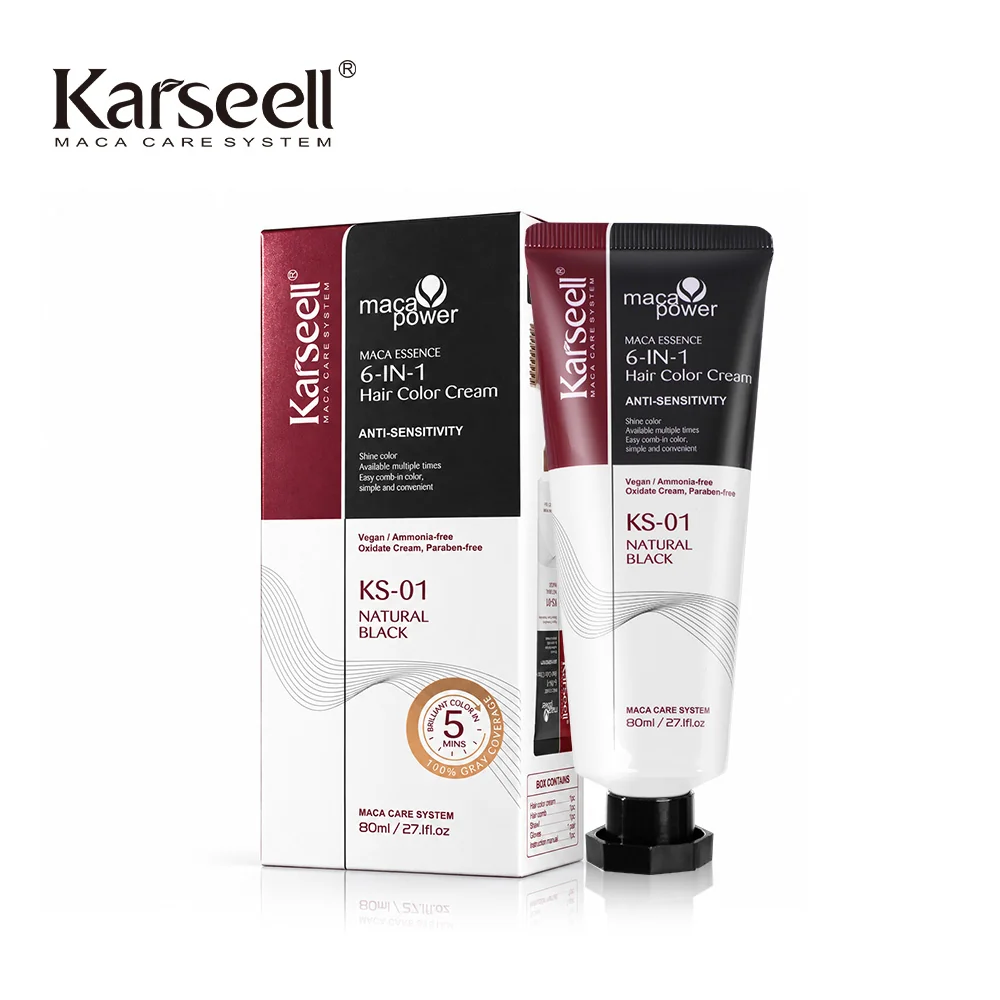
Do not simply write “same as Brand X.” Break the benchmark down into fragrance, foam, viscosity, color, spread, slip, rinse, dry feel, shine, residue, package, price, and claim style. For category examples, review the Xampú netejador profund Karseell, Mascareta capil·lar 6 en 1 de Karseelli Oli per als cabells Karseell BNC.
4. Formula direction
List the desired formula route: existing proven base, modified base, or custom development. Then specify:
- Target texture, color, fragrance family, and intensity
- Desired foam and rinse behavior
- Wet and dry hair feel
- Hero ingredients or ingredient story
- Ingredients to exclude
- Target pH or viscosity, if technically justified
- Market-specific restrictions
- Proves i documentació necessàries
Separate “must have” requirements from “nice to have” preferences. A long list of mandatory ingredients, exclusions, sensory targets, low cost, and low MOQ may be technically or commercially incompatible. The manufacturer should be able to identify those trade-offs early.
5. Claims and evidence
Write the claims you want to communicate, then classify them as cosmetic benefit, sensory description, ingredient statement, marketing language, or regulated claim. Avoid promising treatment of disease, permanent hair growth, or guaranteed repair unless the market, evidence, and regulatory pathway support the statement.
Ask what evidence is available for the final formula, not only for a raw ingredient. Confirm whether the claim must be supported by formula review, instrumental testing, consumer testing, documentation, or restricted wording. The guide to checking factory certifications and documents can be used alongside the brief.
6. Packaging specification
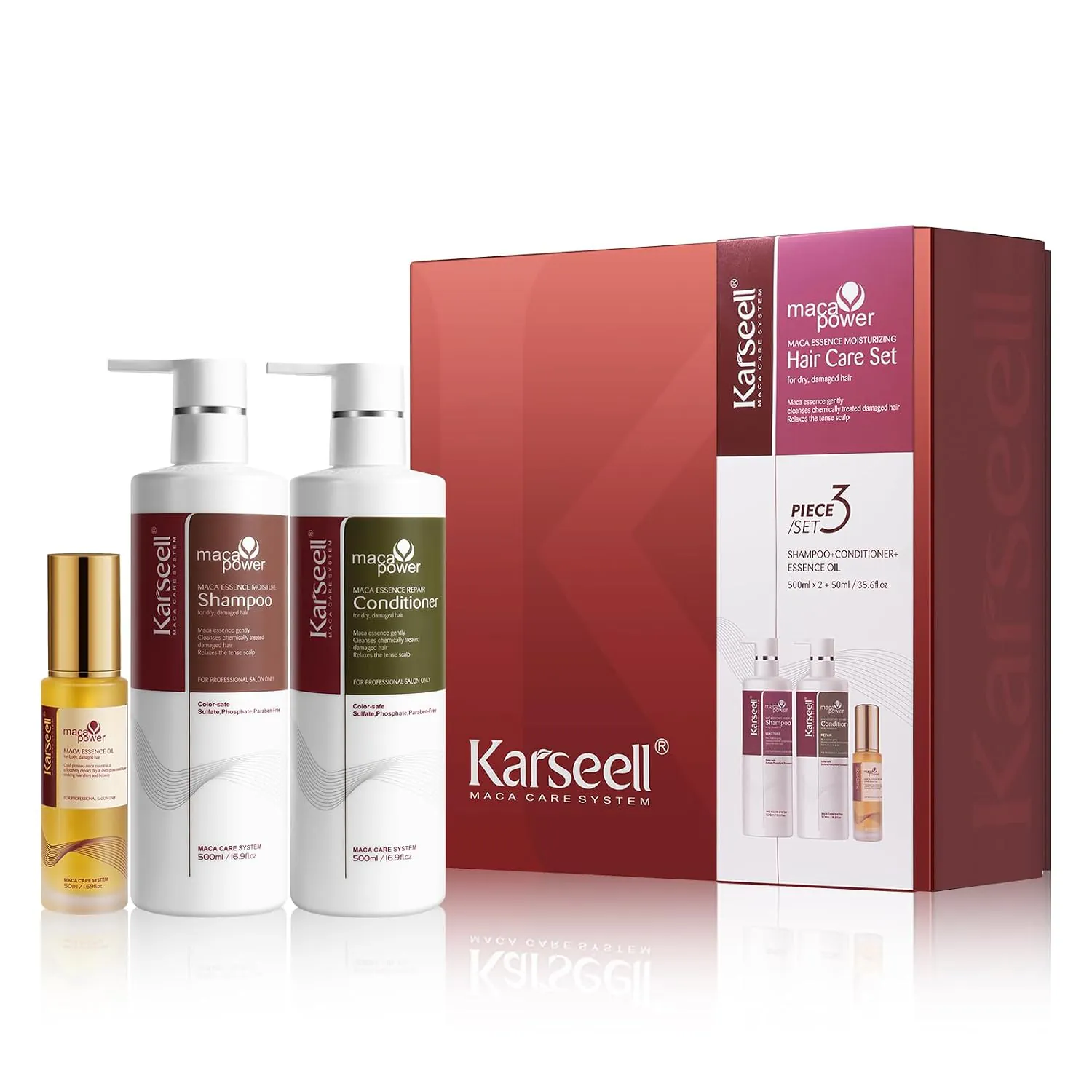
Include the fill weight or volume, container type, material, color, finish, closure, pump or dispensing system, decoration, label, carton, insert, barcode, master case, and shipping marks. State whether you will use a standard package, supplier-stock package, or custom mold.
Also include the target pack dimensions when marketplace fulfillment, retail shelf height, gift boxes, or shipping cartons impose limits. Review custom hair care packaging design services i custom shampoo bottle sizes before locking artwork dimensions.
7. Quantity, MOQ, and forecast
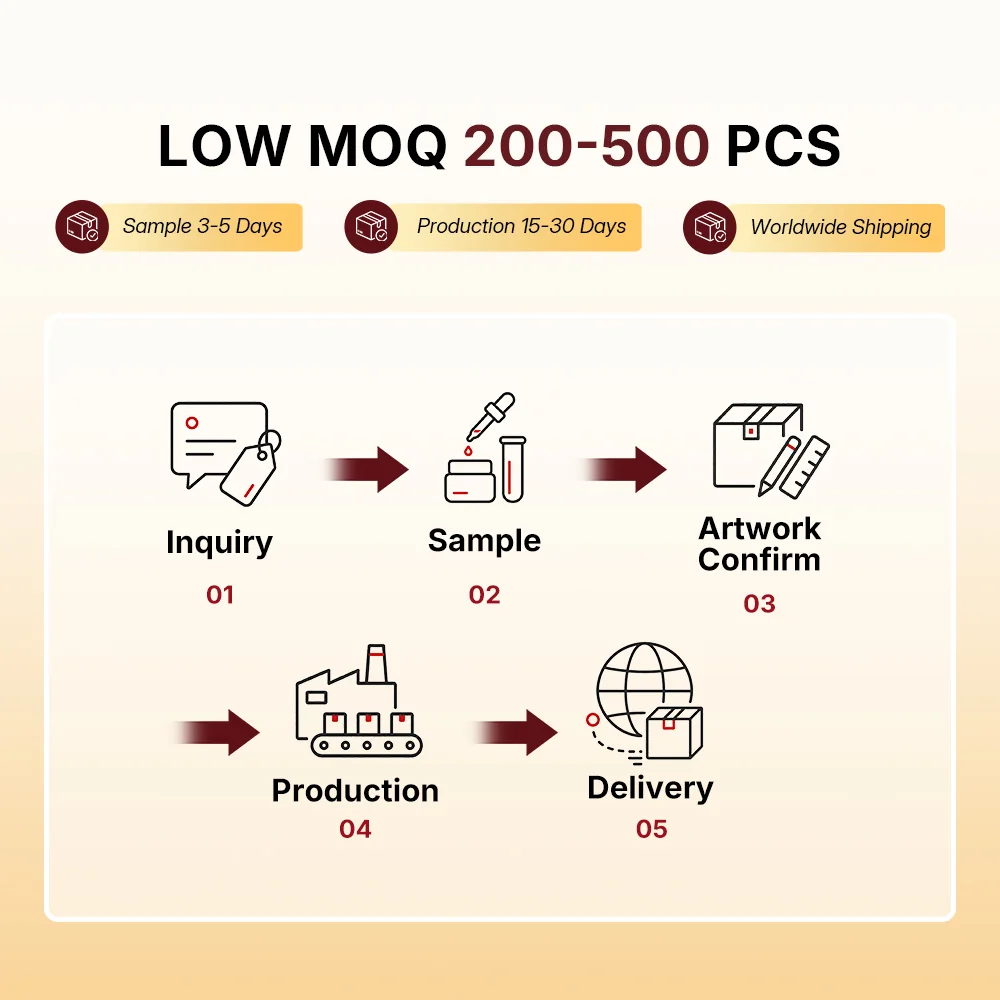
State the requested first order by SKU and the forecast for the following twelve months. Separate finished-product MOQ from packaging-component MOQ. Custom color, printing, bottle molds, cartons, or special ingredients may each have different minimums.
If the budget cannot support every desired customization, rank the elements by customer impact. The guides to low-MOQ hair care manufacturing for startups i Negociació MOQ explain why quantity should be discussed together with formula and packaging.
8. Sample approval criteria
Define how samples will be evaluated and who will participate. Use a scorecard for appearance, odor, texture, dispensing, application, foam, wet combing, rinse, dry feel, shine, residue, packaging, and target-user feedback. Identify pass/fail items separately from preference items.
Keep a retained sample and document each revision code. The approved “golden sample” should be traceable to the final formula and packaging specification. See the private label hair product sample process for the expected workflow.

9. Timeline and deliverables
List the required dates for first sample, feedback, revised sample, formula approval, packaging sample, artwork, testing, purchase order, deposit, mass production, inspection, shipment, warehouse arrival, and commercial launch. Ask the manufacturer to flag dependencies rather than treating every date as independent.
Include a deliverables list: formula sample, packaging sample, quotation, specification sheet, ingredient list, artwork template, testing plan, compliance documents, production sample, inspection report, packing list, and shipping documents.

Copy-ready hair care product brief outline
- Brand, project owner, country, channel, and launch date
- Target customer, hair need, and primary product job
- Product format, capacity, and benchmark products
- Formula route and sensory requirements
- Hero ingredients, exclusions, and market restrictions
- Claims and evidence requirements
- Packaging, artwork, carton, and shipping configuration
- First-order quantity, annual forecast, and target cost
- Sample approval criteria and decision-makers
- Testing, documents, timeline, and required deliverables
Preguntes freqüents
How long should a product brief be?
A one-to-three-page brief is often enough for an initial discussion when it contains specific decisions. Technical appendices, artwork files, regulatory lists, and benchmark notes can be attached separately.
Can the manufacturer help complete the brief?
Yes. A manufacturer can recommend realistic formula, packaging, MOQ, and testing routes. The brand should still own the target customer, price, market, positioning, and final approval criteria.
Should every product have a separate brief?
Each SKU should have a controlled specification. Related products can share a range overview, packaging rules, target customer, and visual system, while formula and pack details remain SKU-specific.
How can a brand request a quotation?
Send the completed brief through the Pàgina de contacte de Chinchy Group. Include your target country, quantity, formula route, packaging format, pack size, required documents, and target delivery date.